Photos
These photos are displayed for viewing only. Downloading, saving, or reusing them without permission is prohibited.
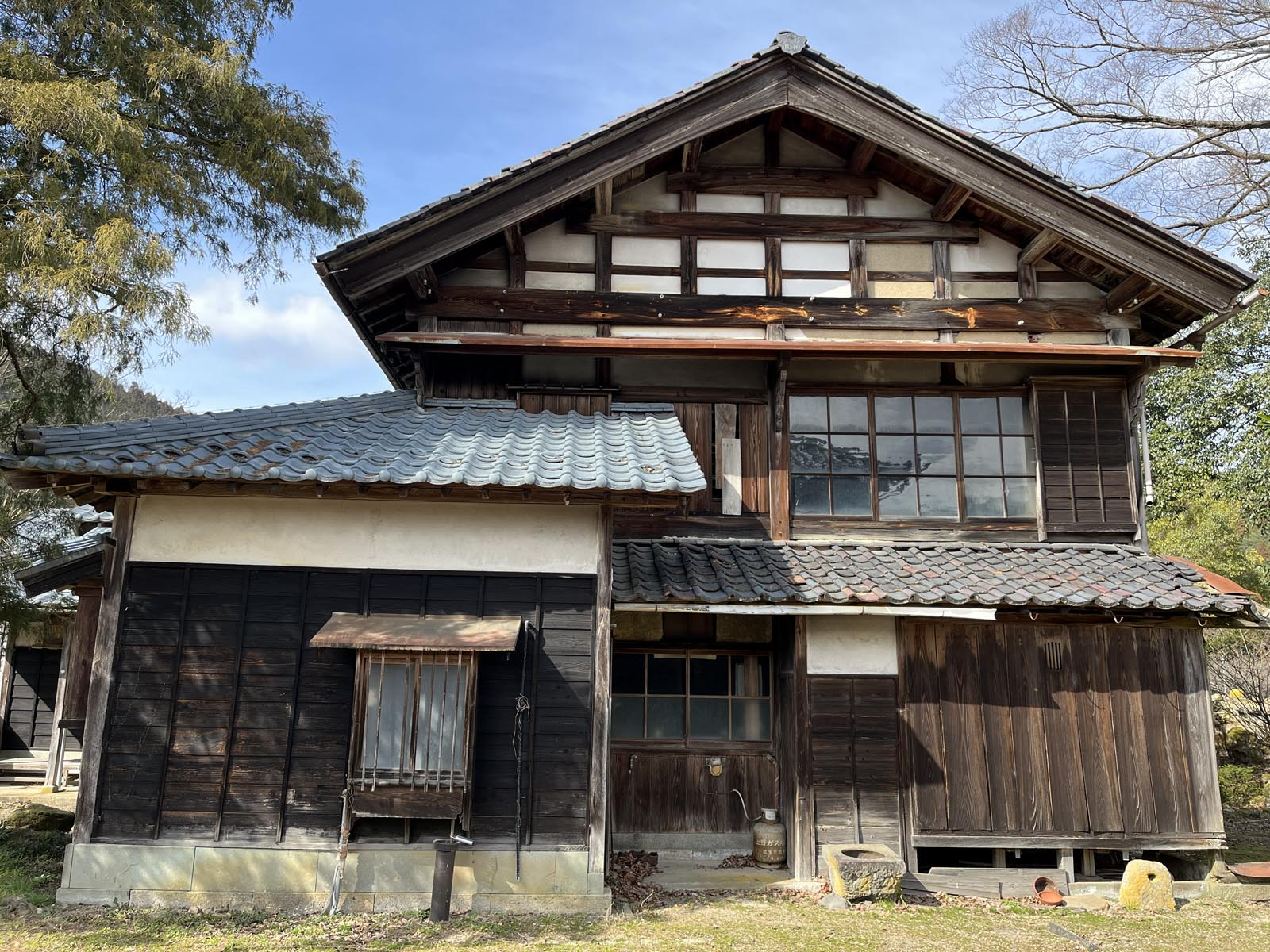
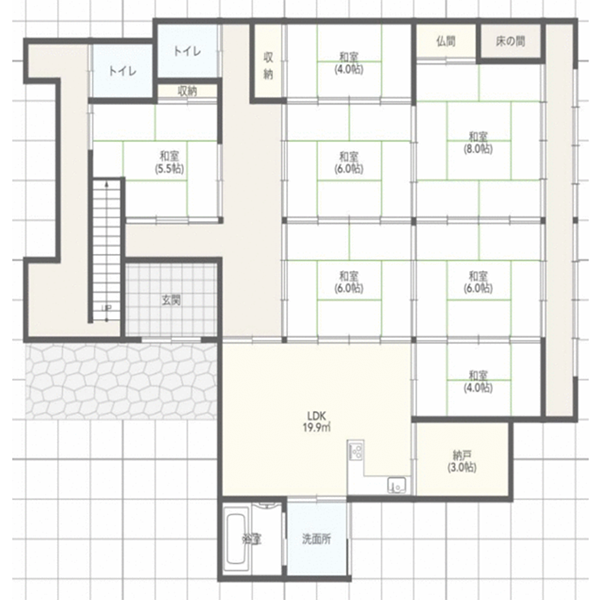
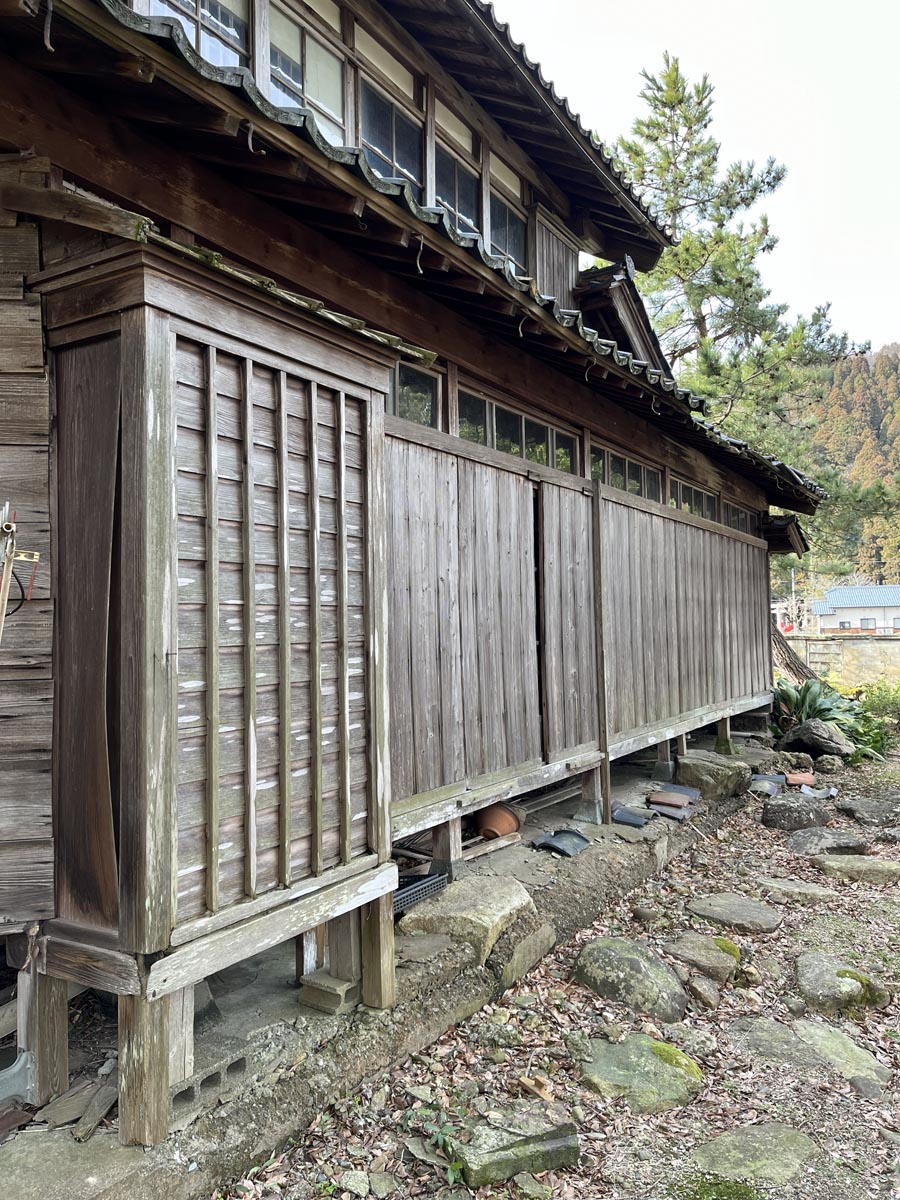
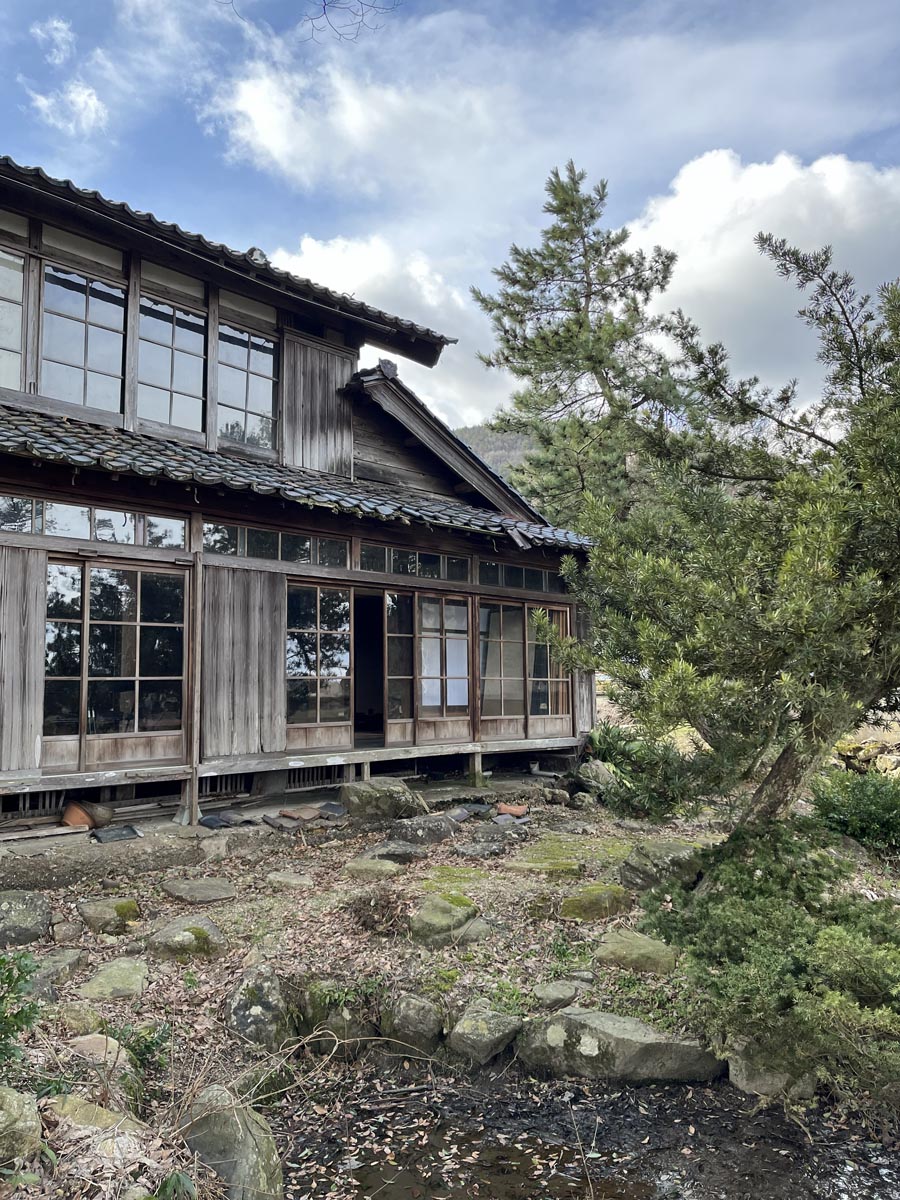
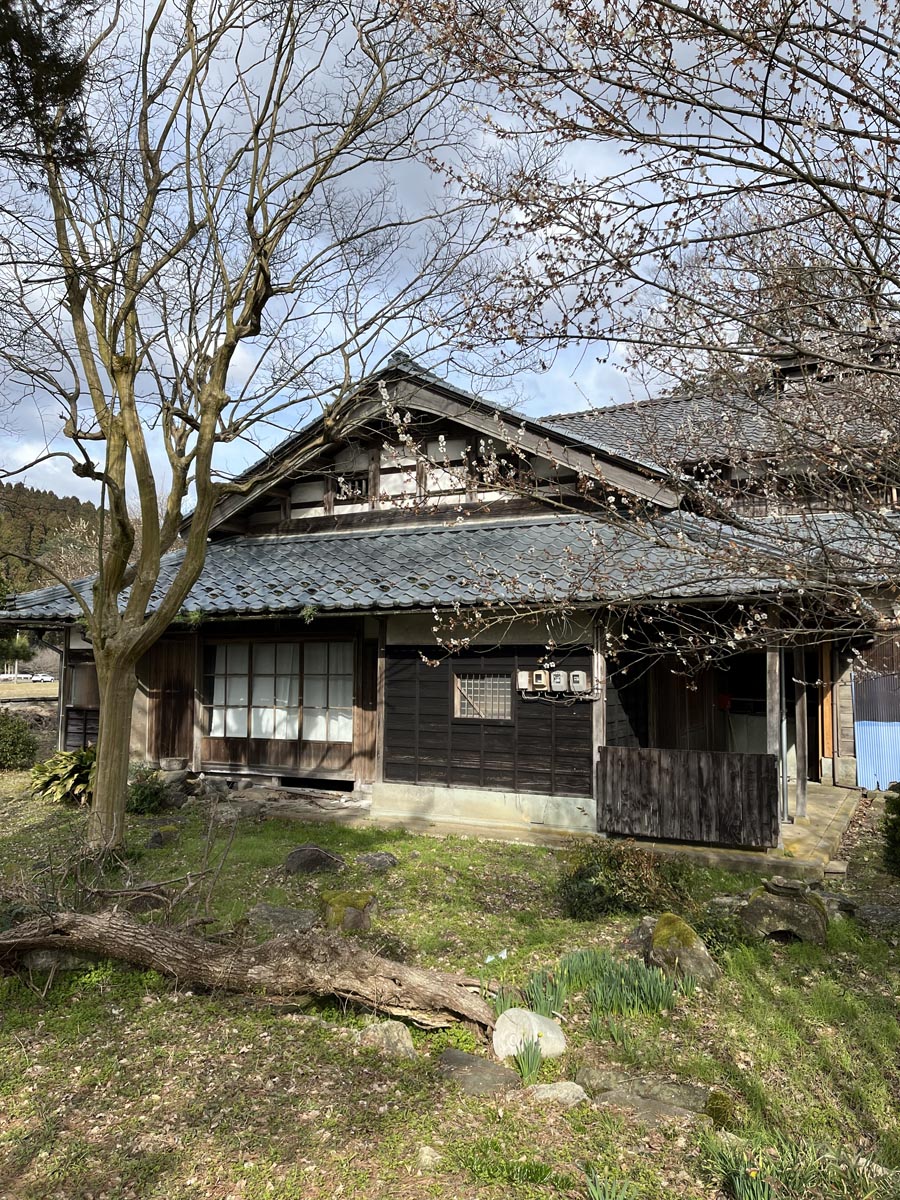
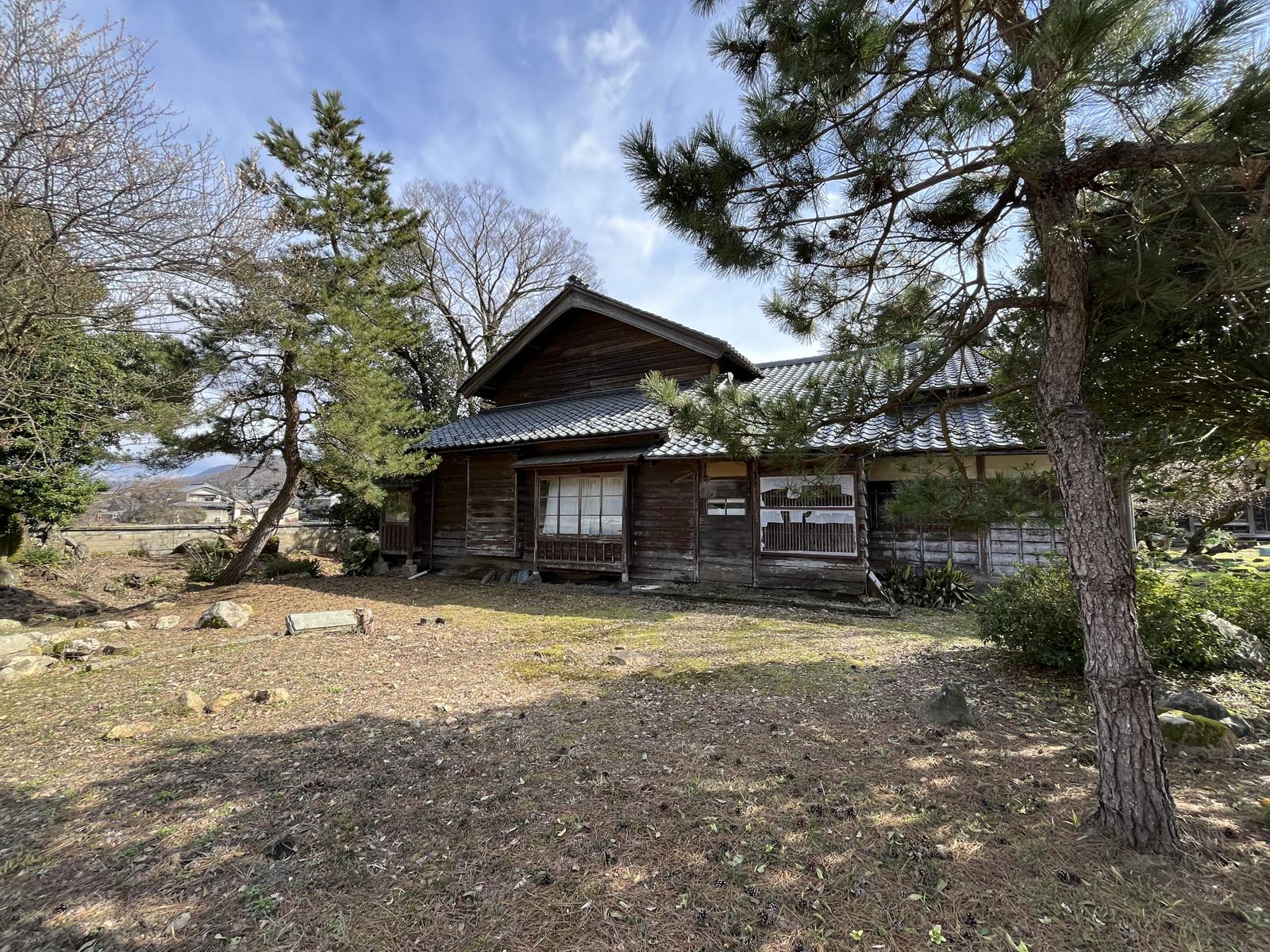
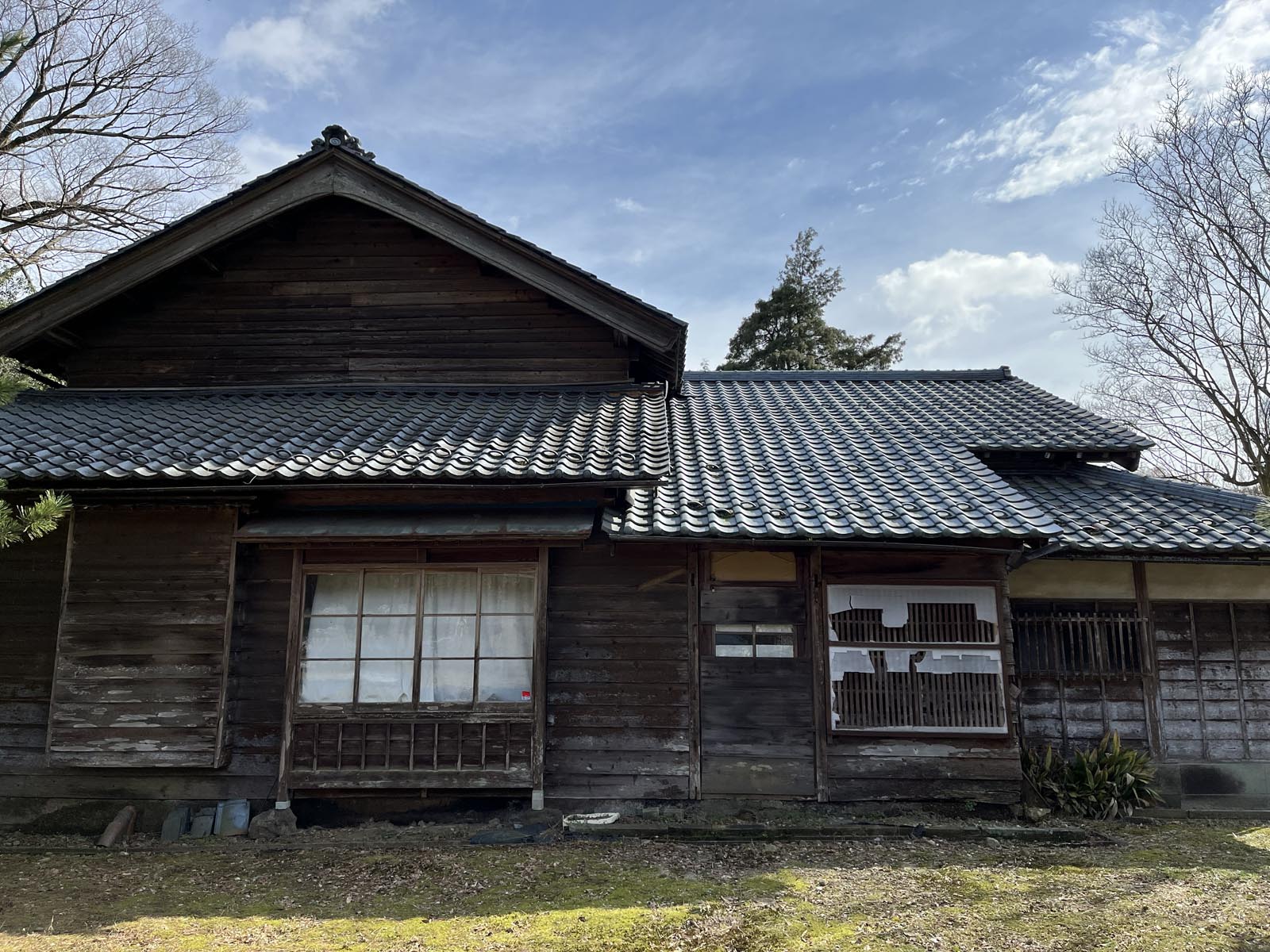
Main House 1F and exterior
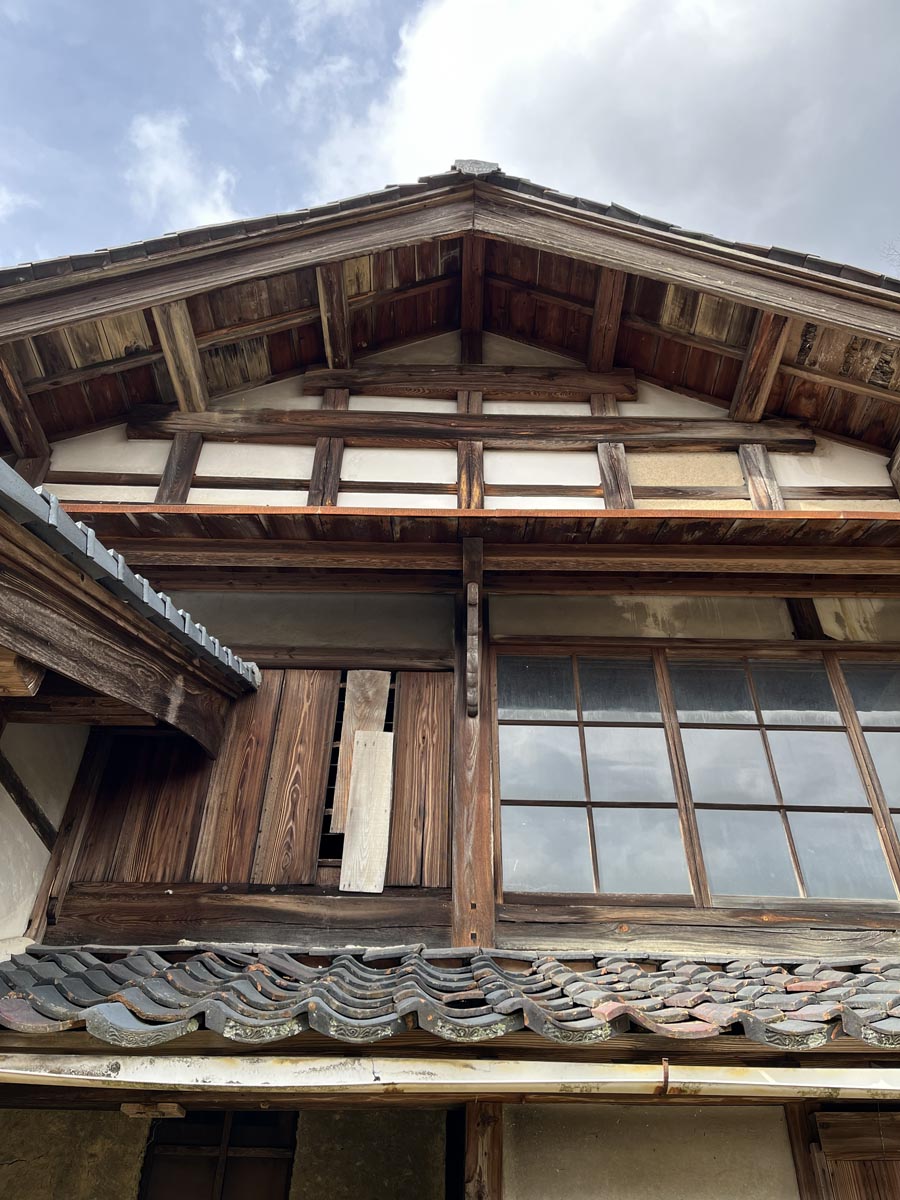
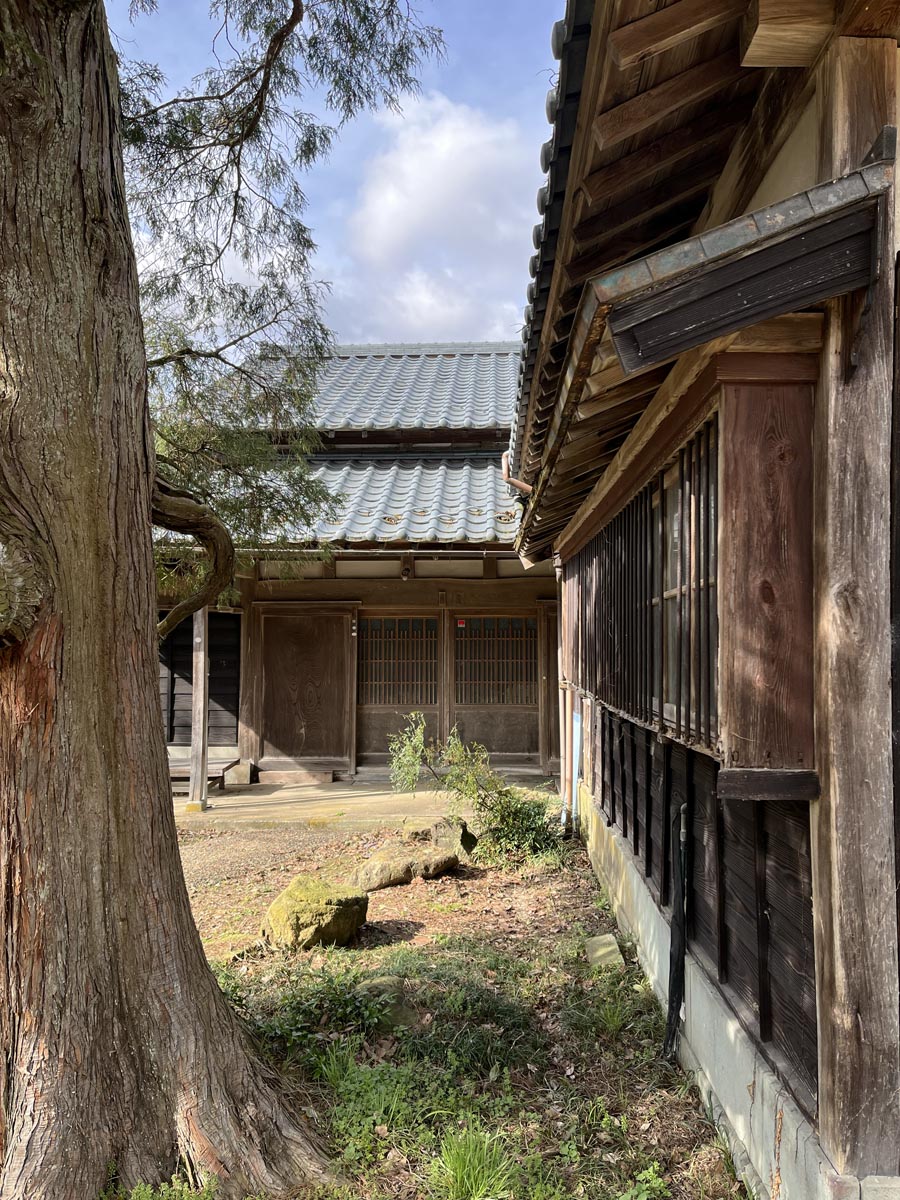
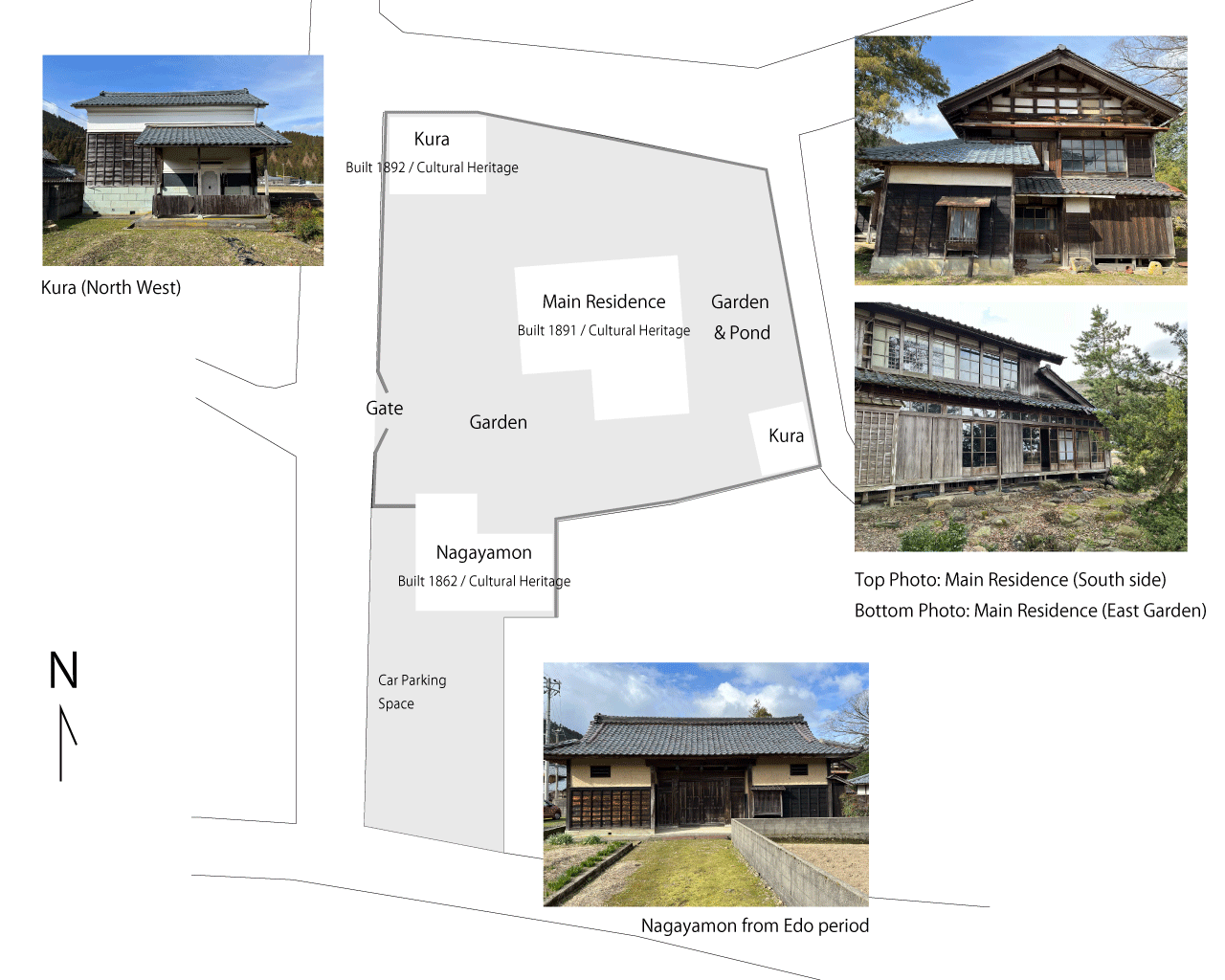
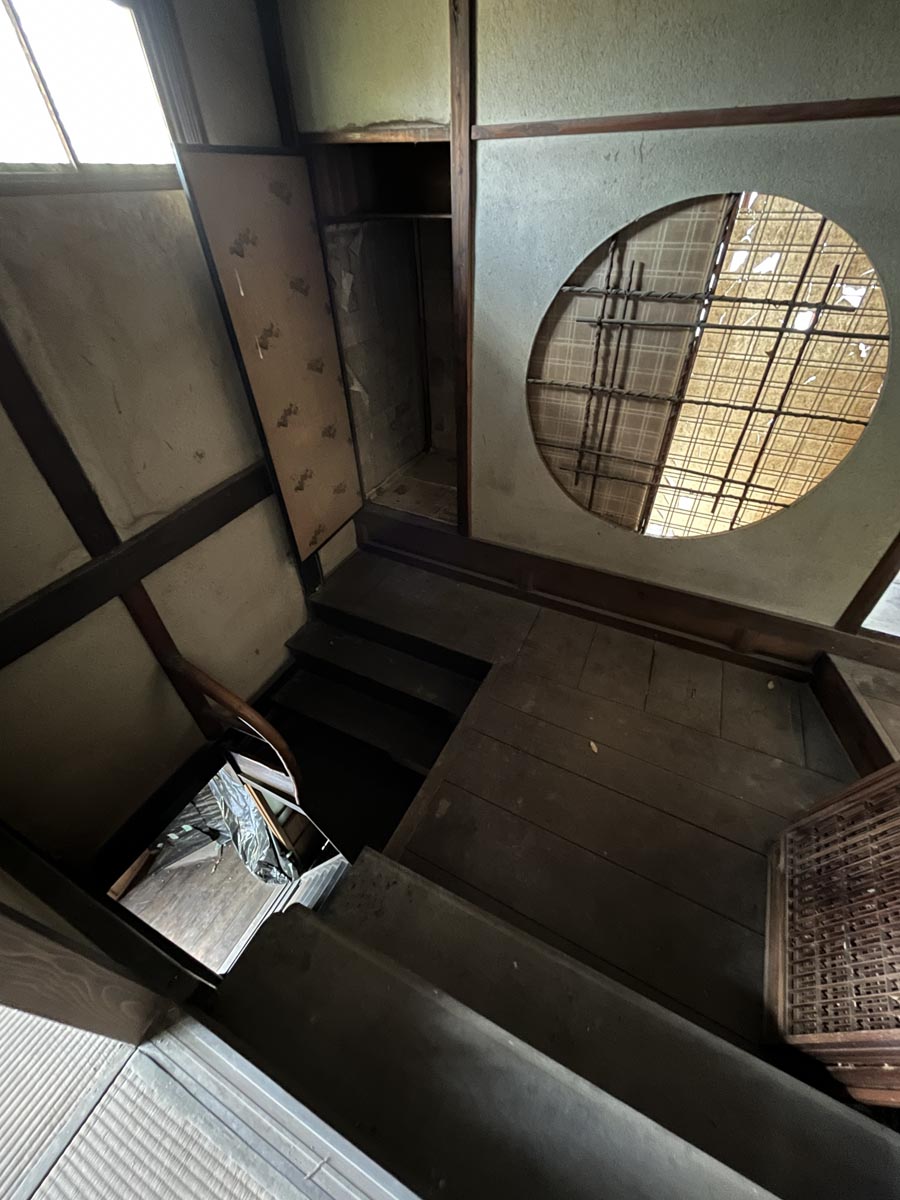
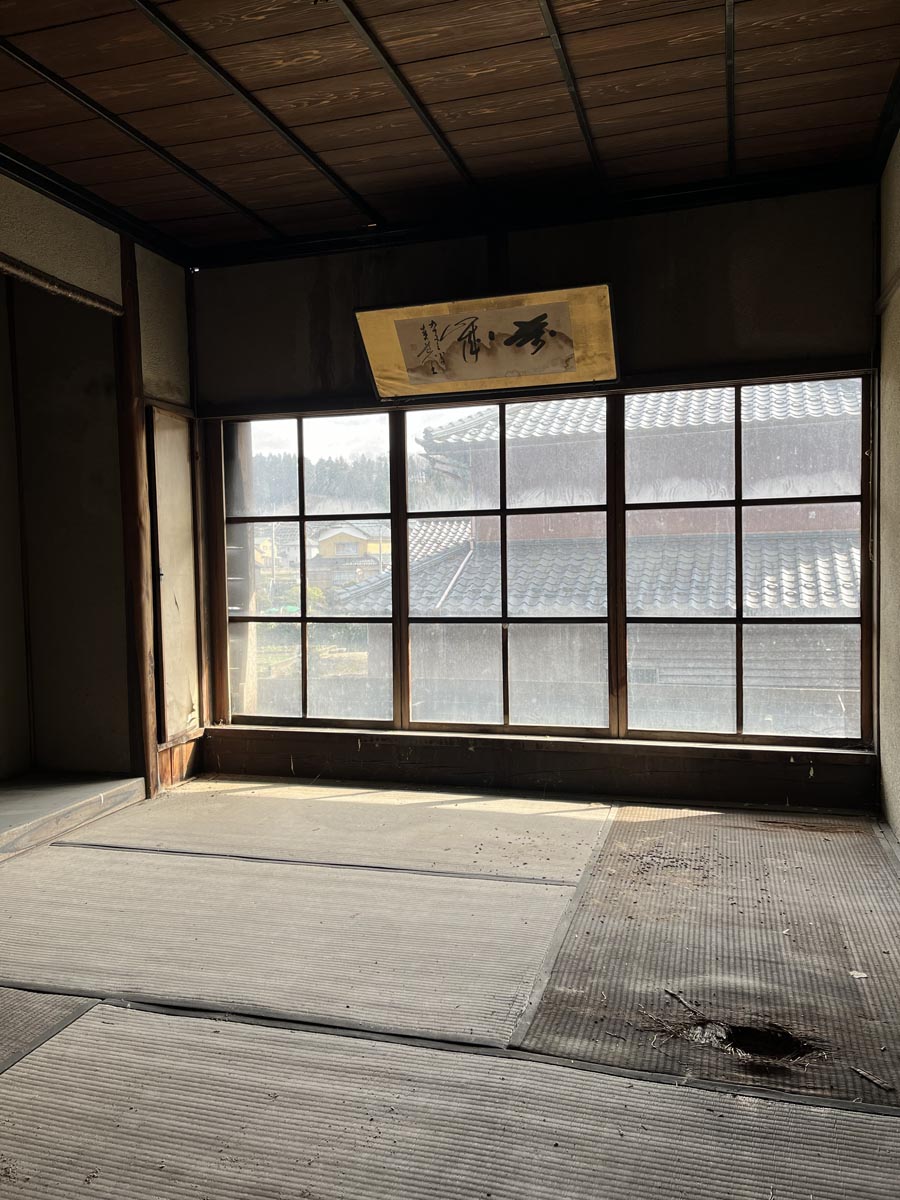
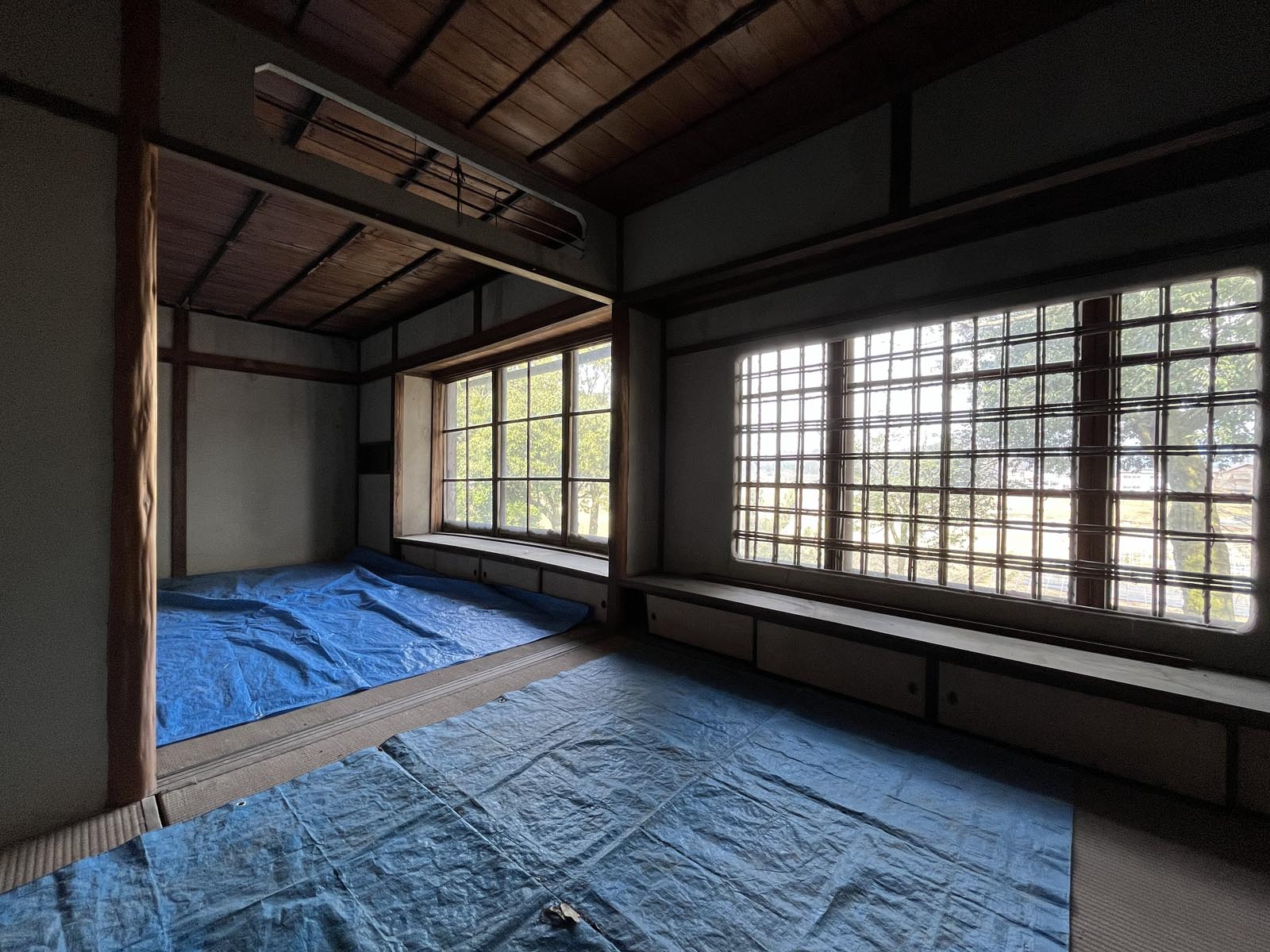
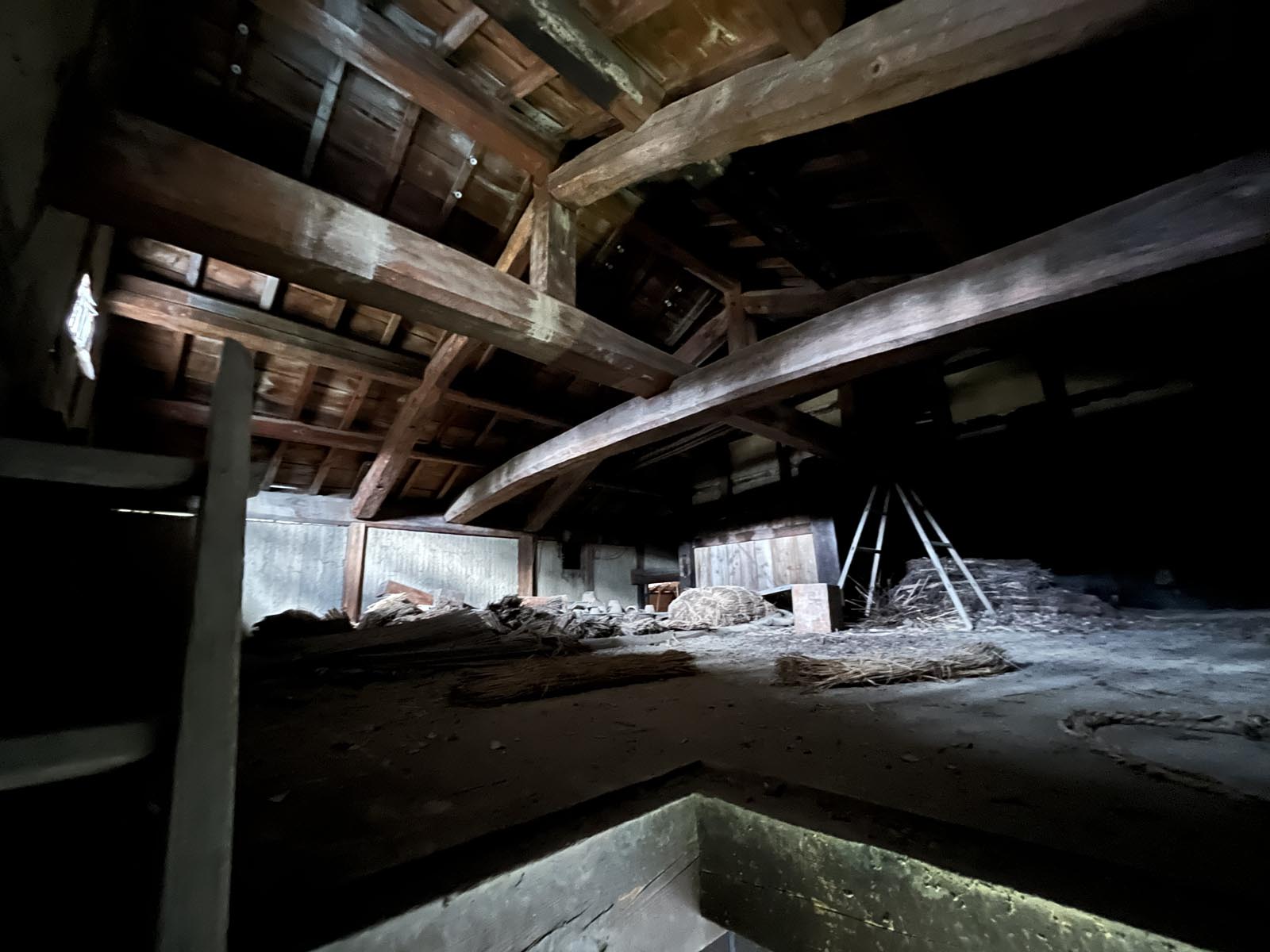
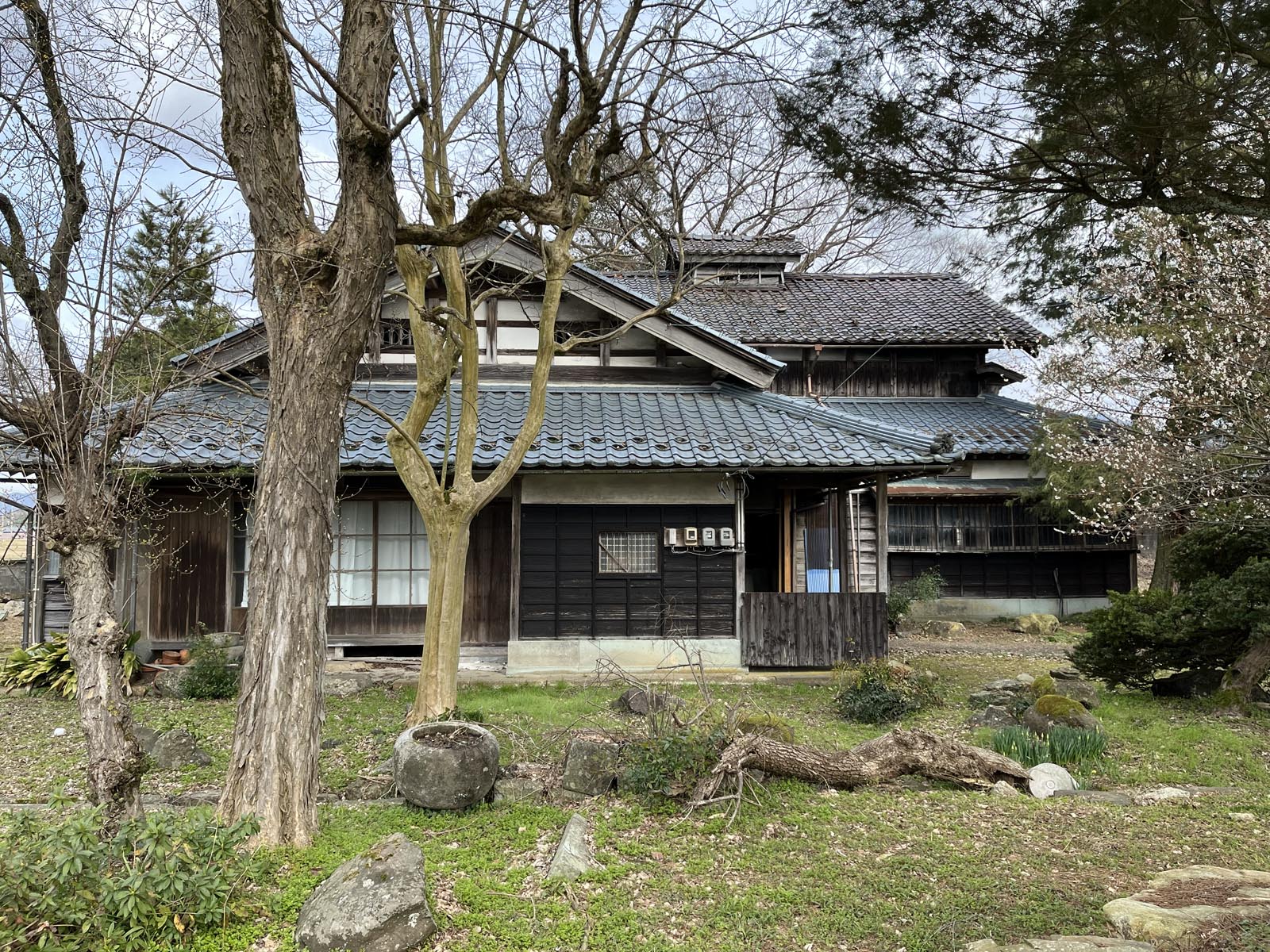
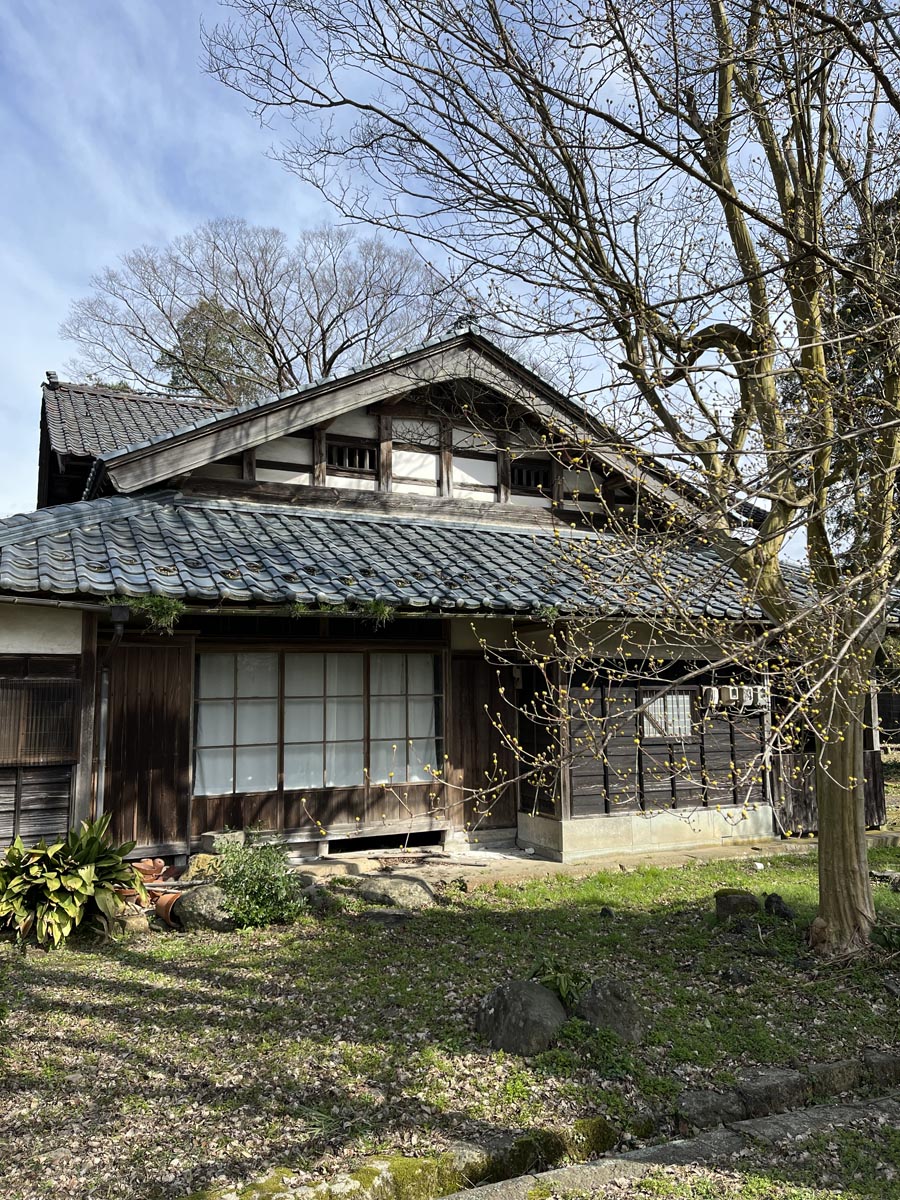
Built in 1891 (Meiji 24), this residence is registered as a National Tangible Cultural Property for its exceptional preservation of original architectural features, both inside and out. Notably, the kitchen with traditional irori hearth and the historic water areas—washroom, bath, and toilet—remain largely intact. While repair and renovation is required, the house retains outstanding materials and craftsmanship, including a massive central pillar, high-quality flooring, and refined shoin-style details that are difficult to reproduce today. Architectural elements such as the formal entrance with a deep eave and the elegant second-floor tatami room reflect the adoption of newer styles after the Edo period, while the spacious attic above the entrance—likely used for storing firewood and charcoal—offers insight into the practical design of daily life at the time.
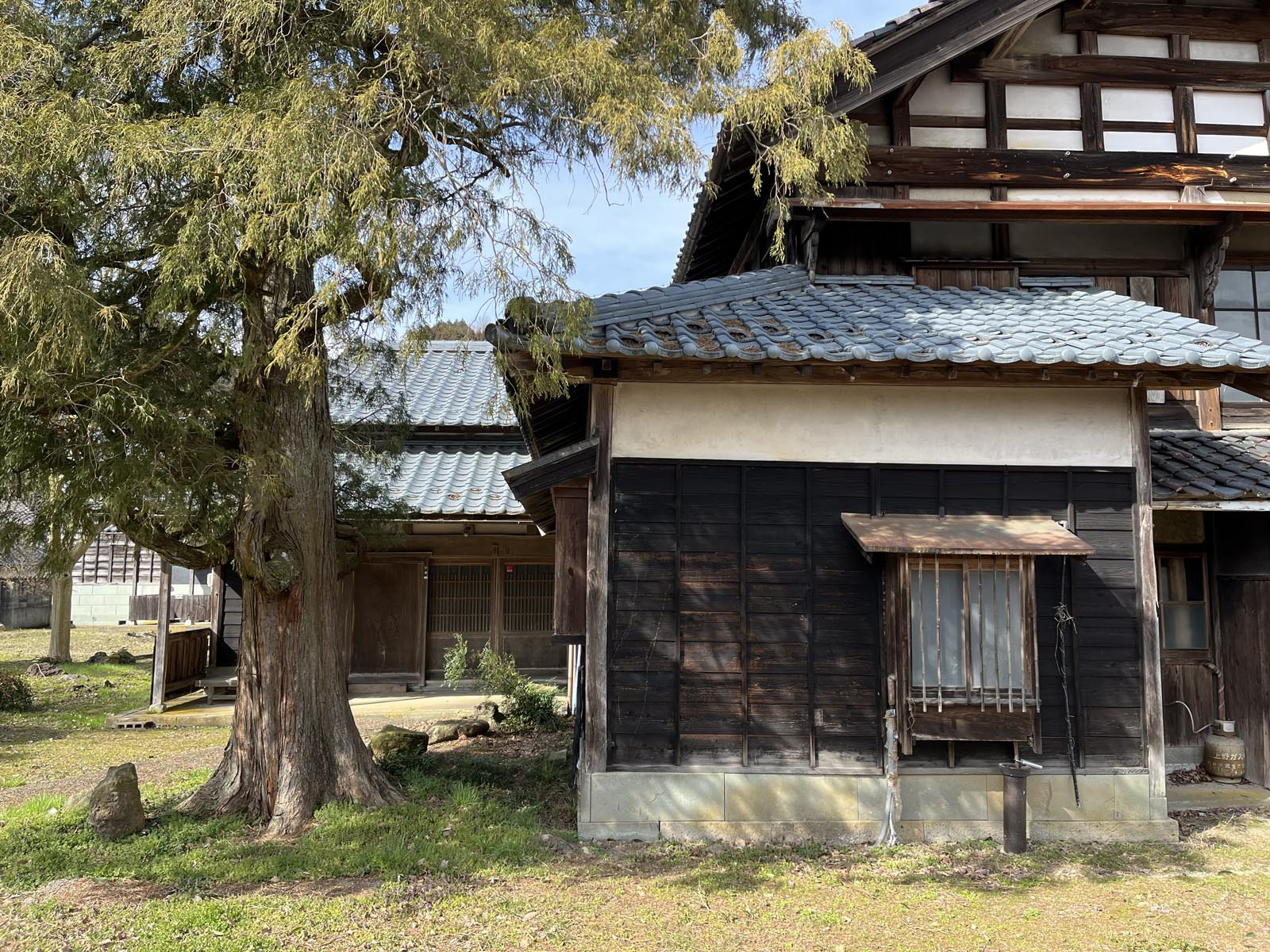
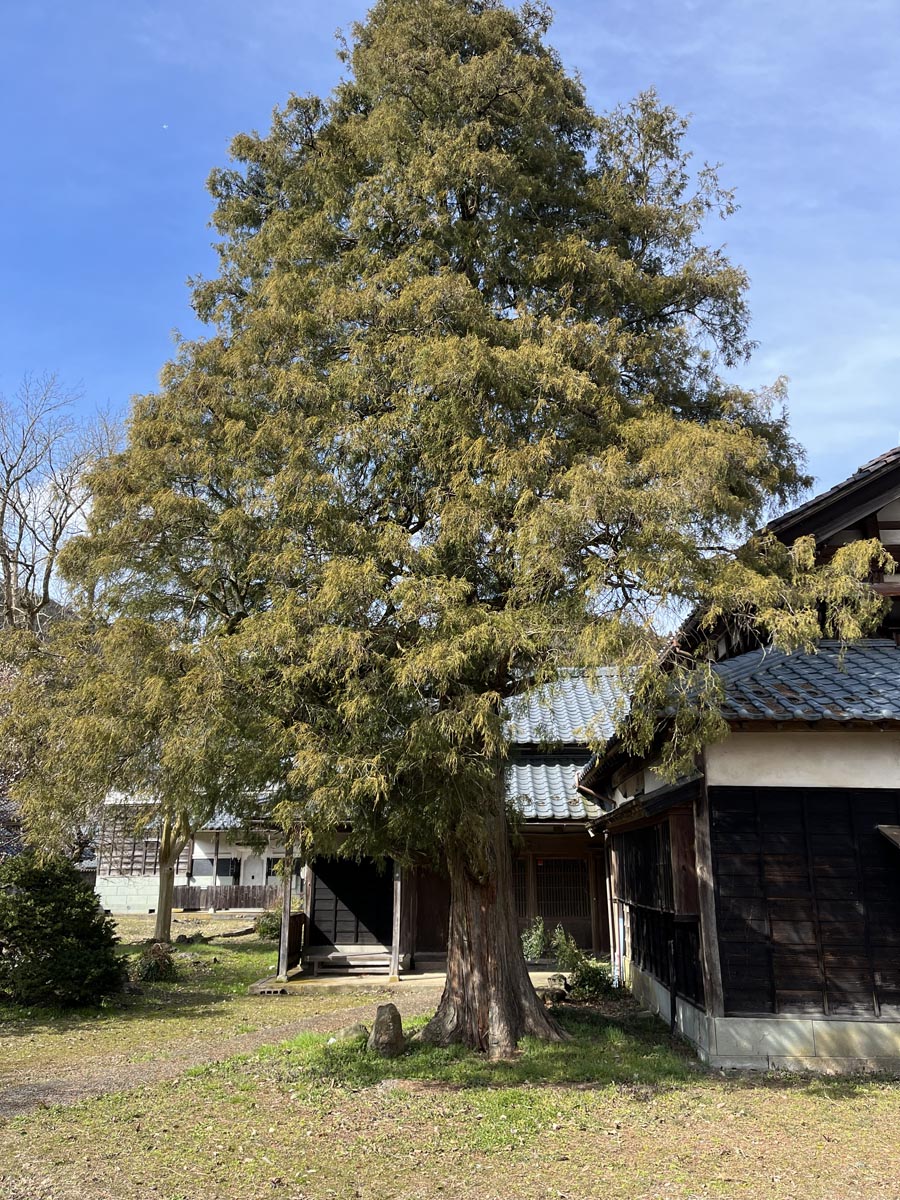
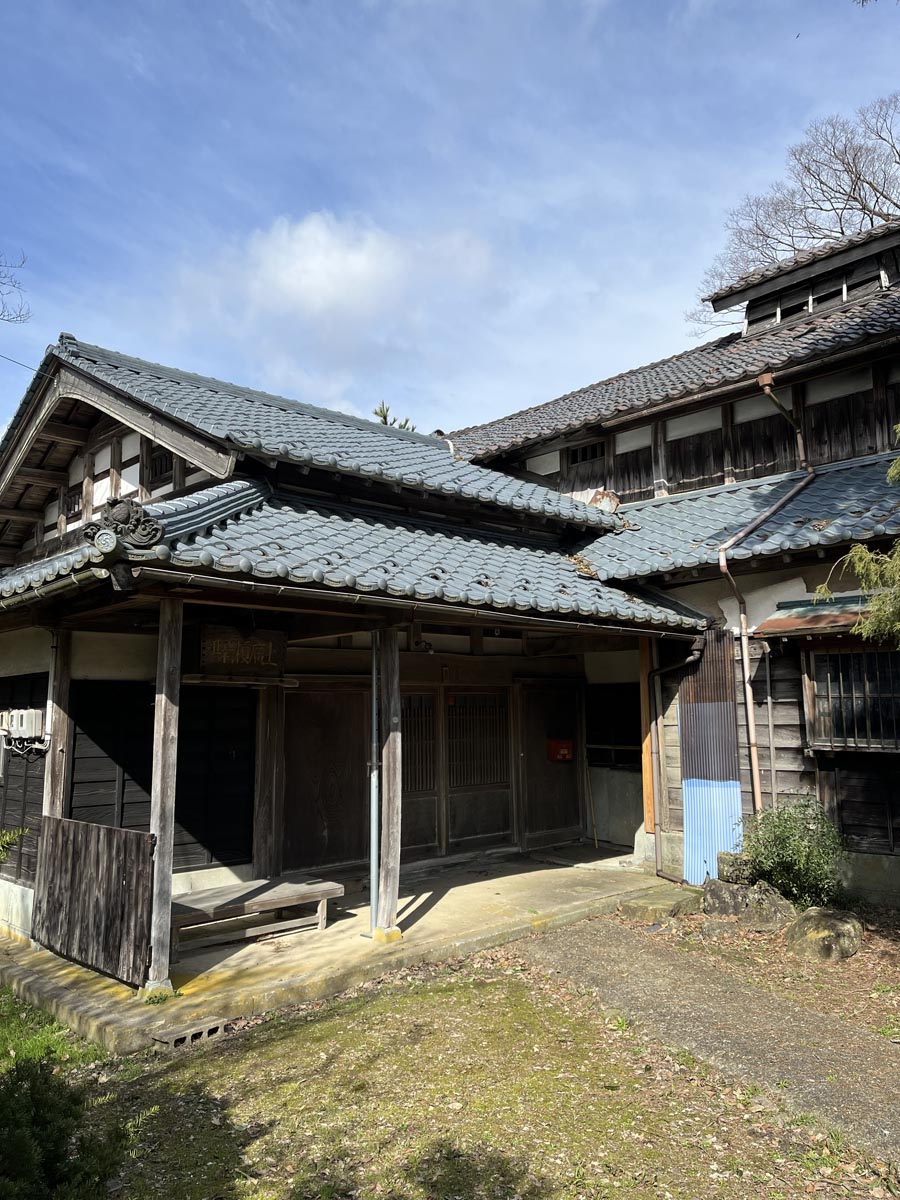
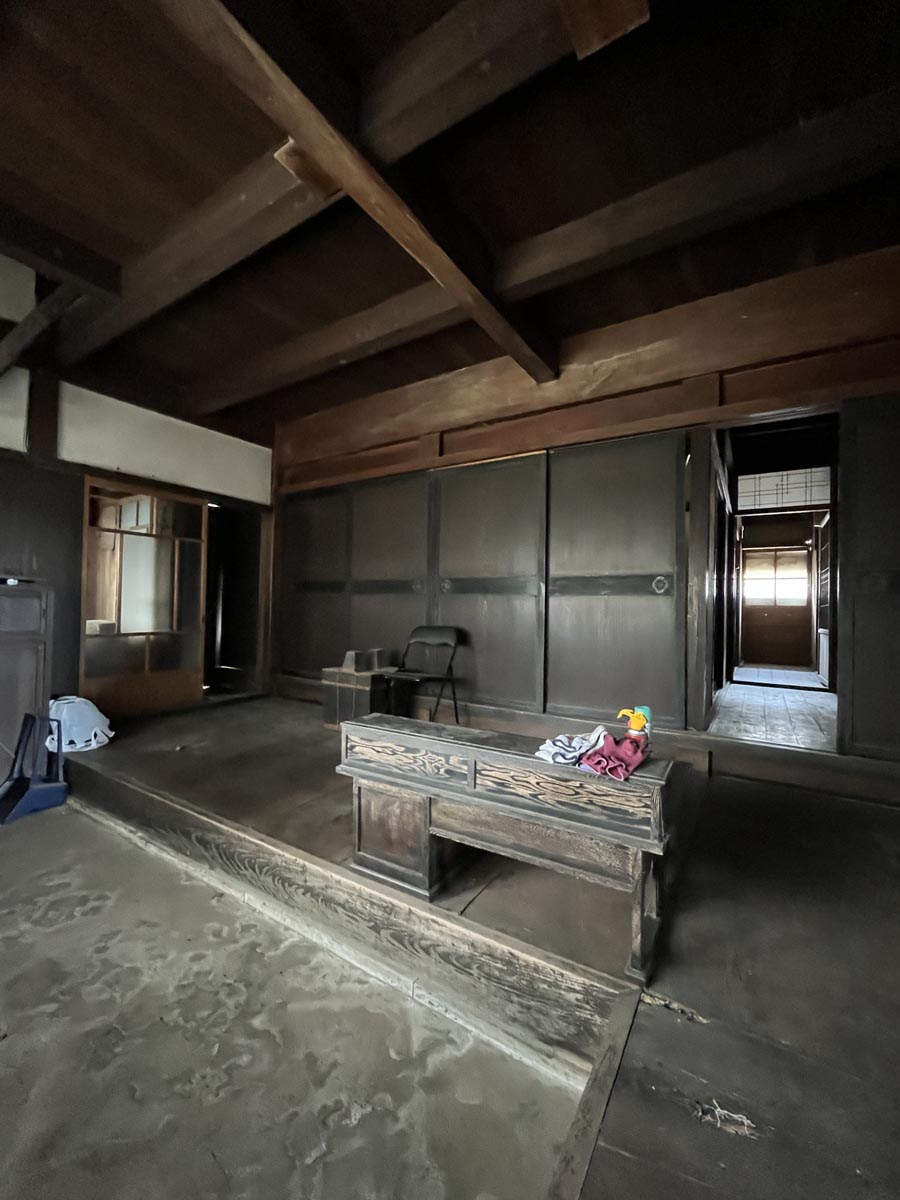
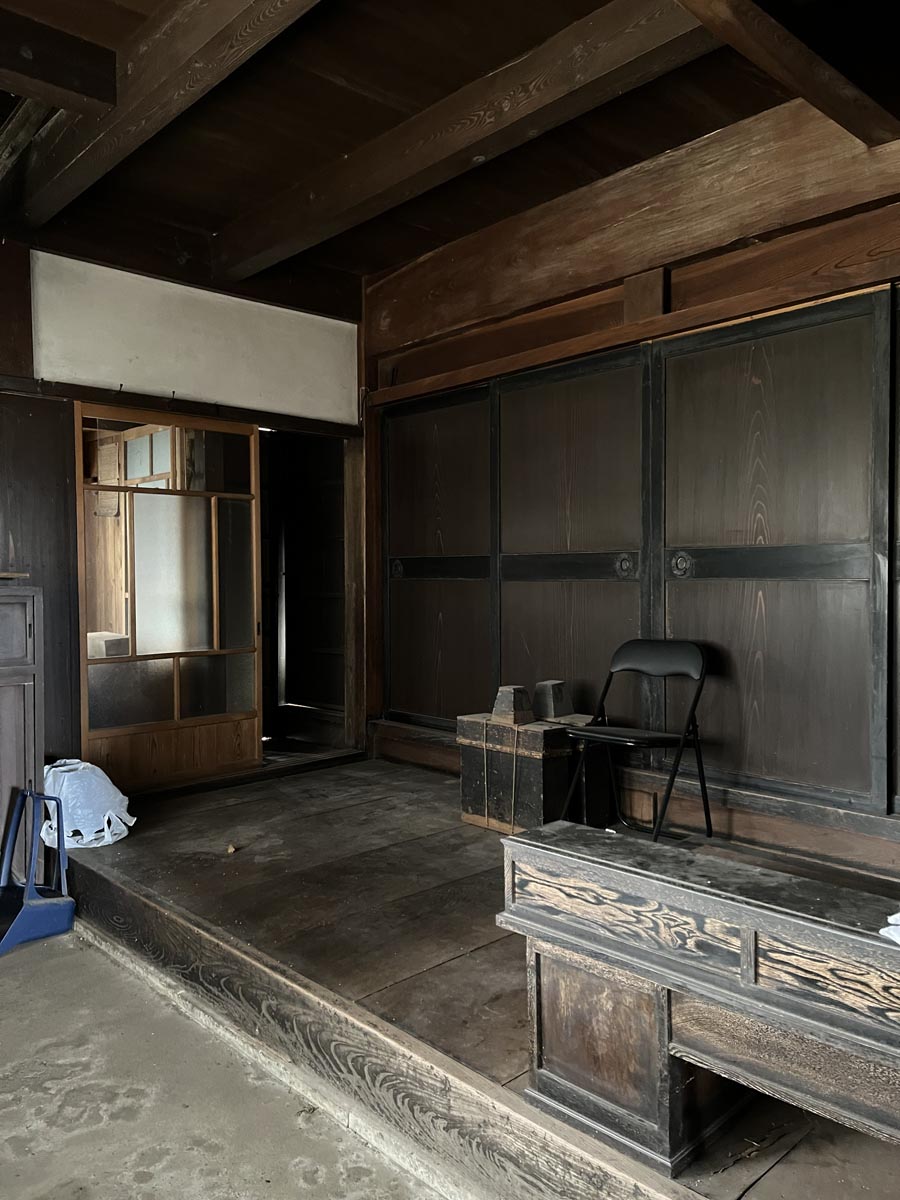
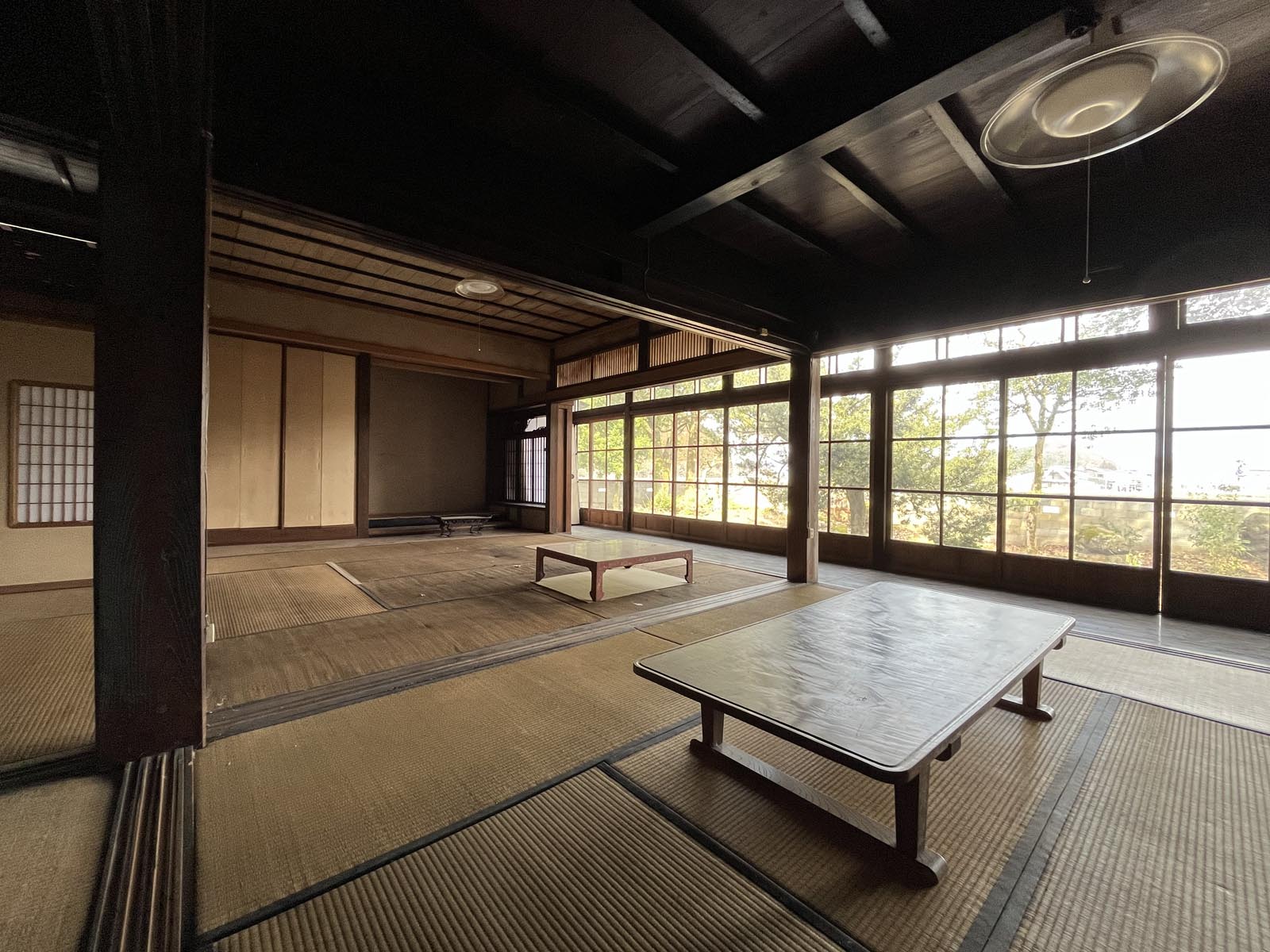
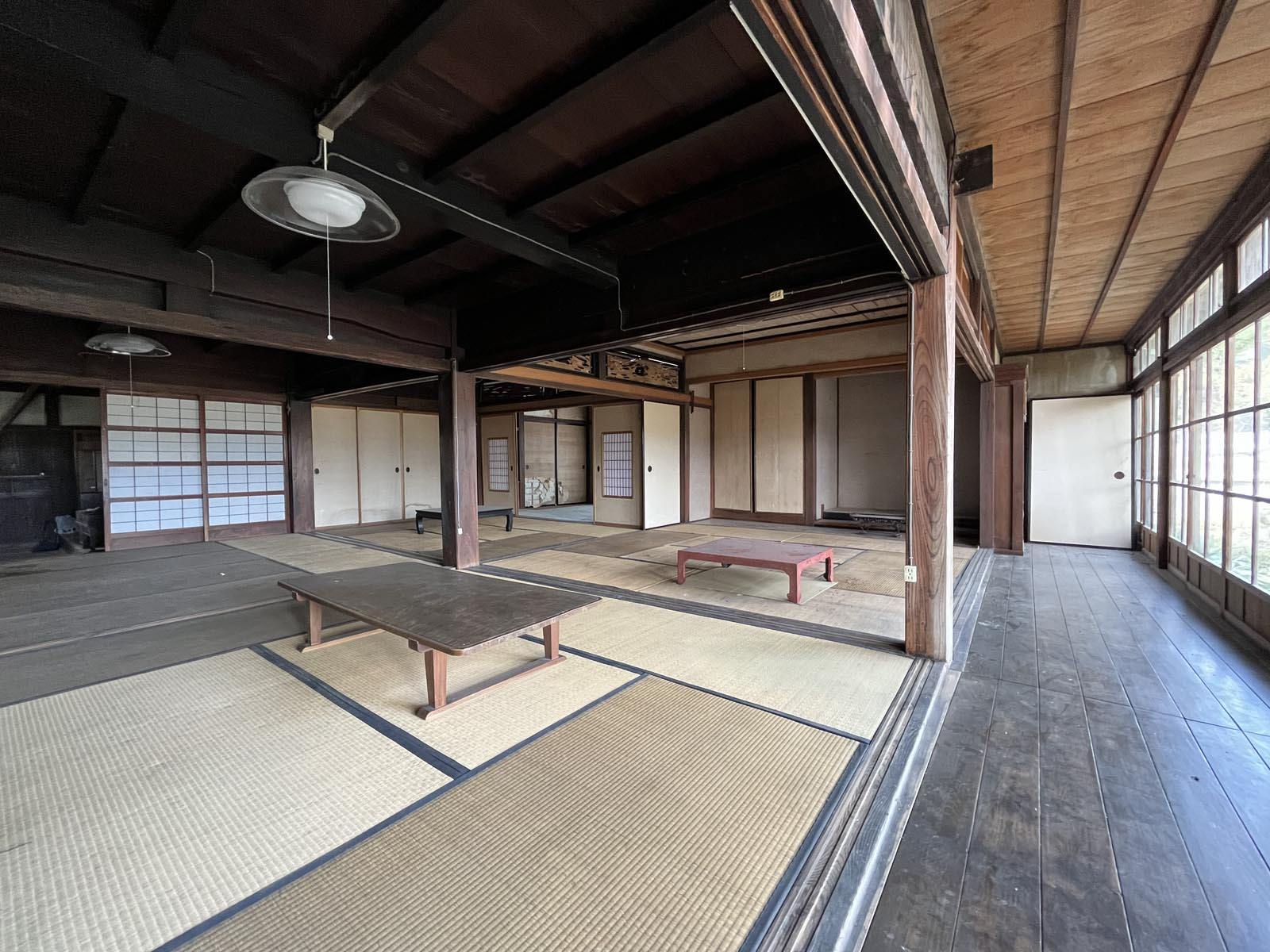
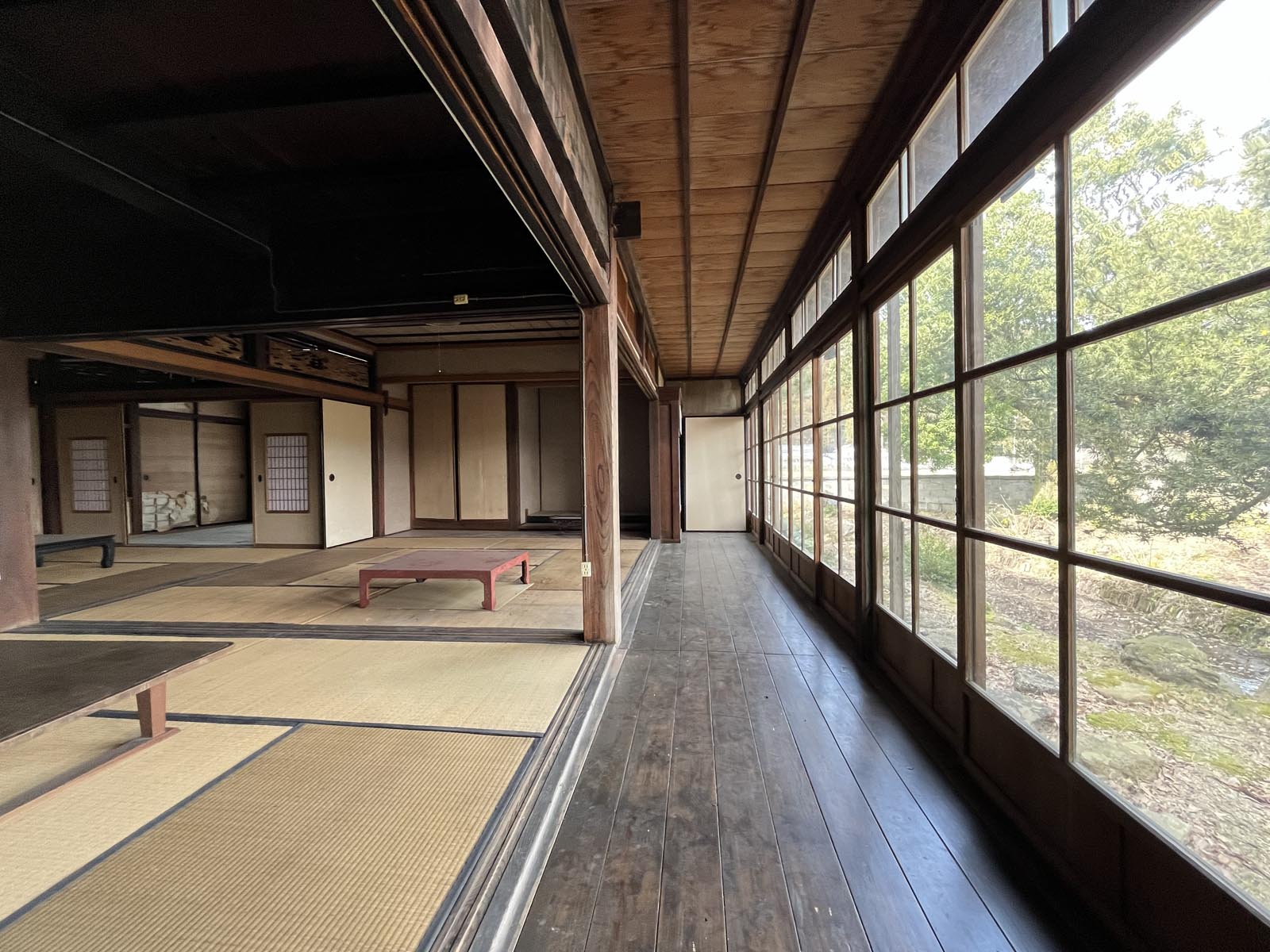
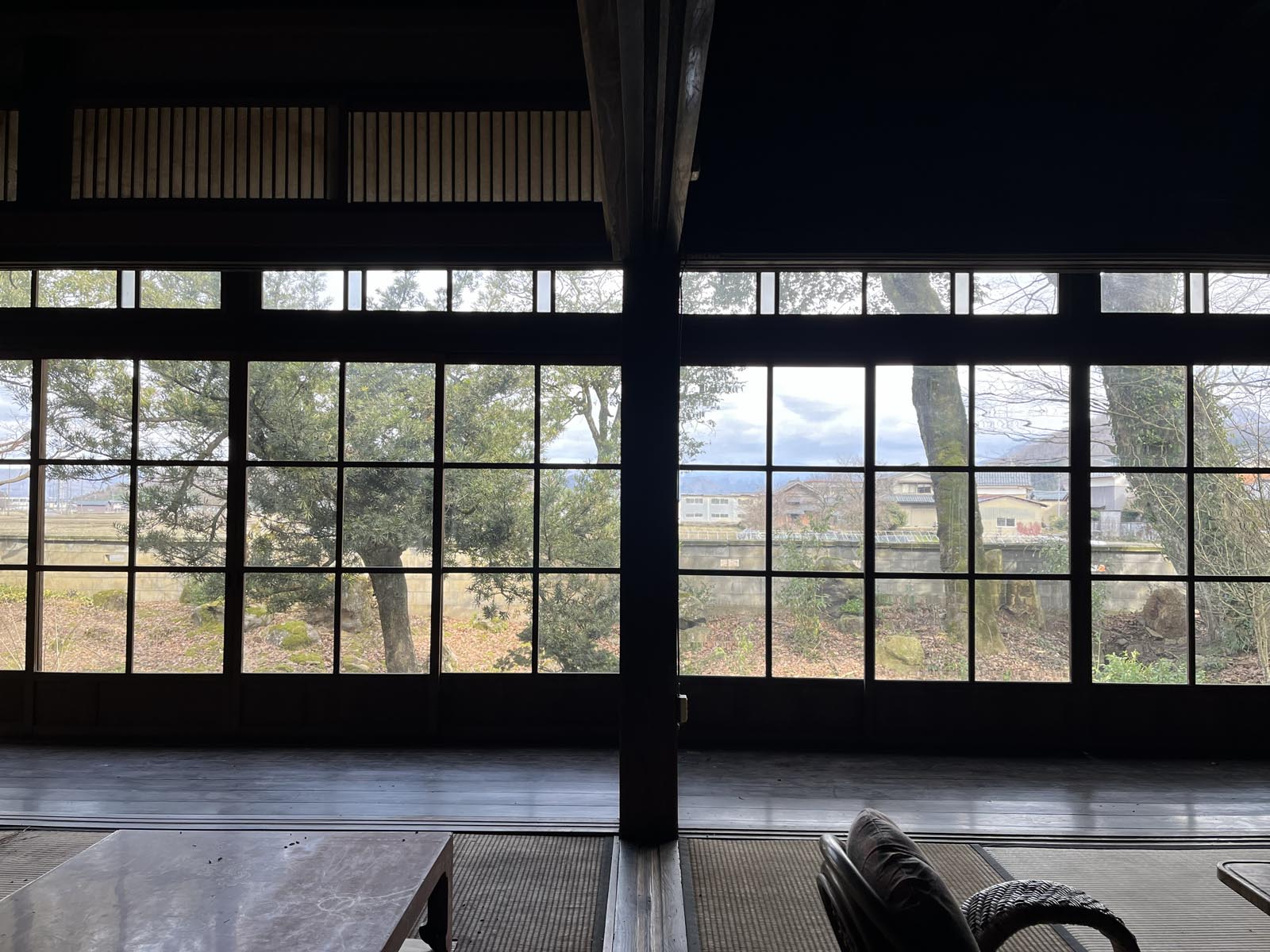
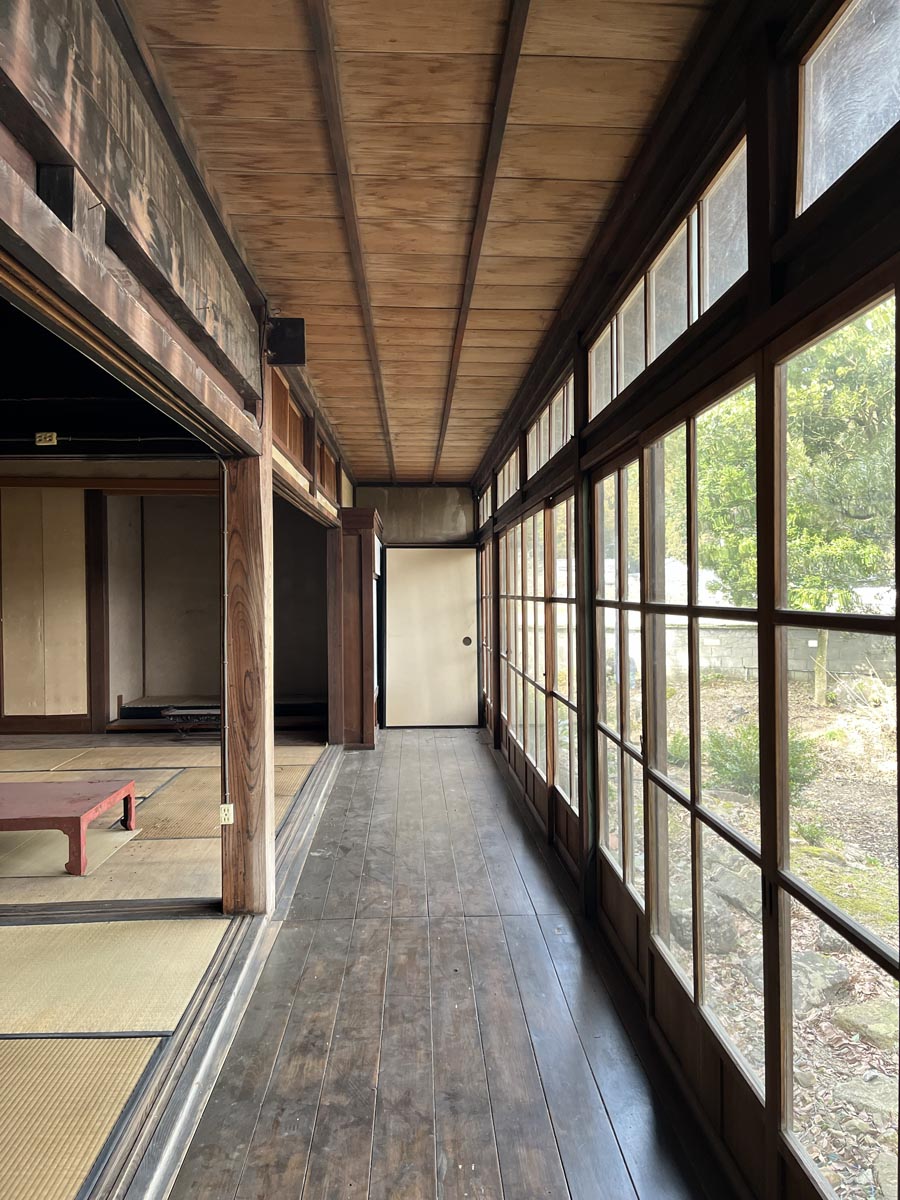
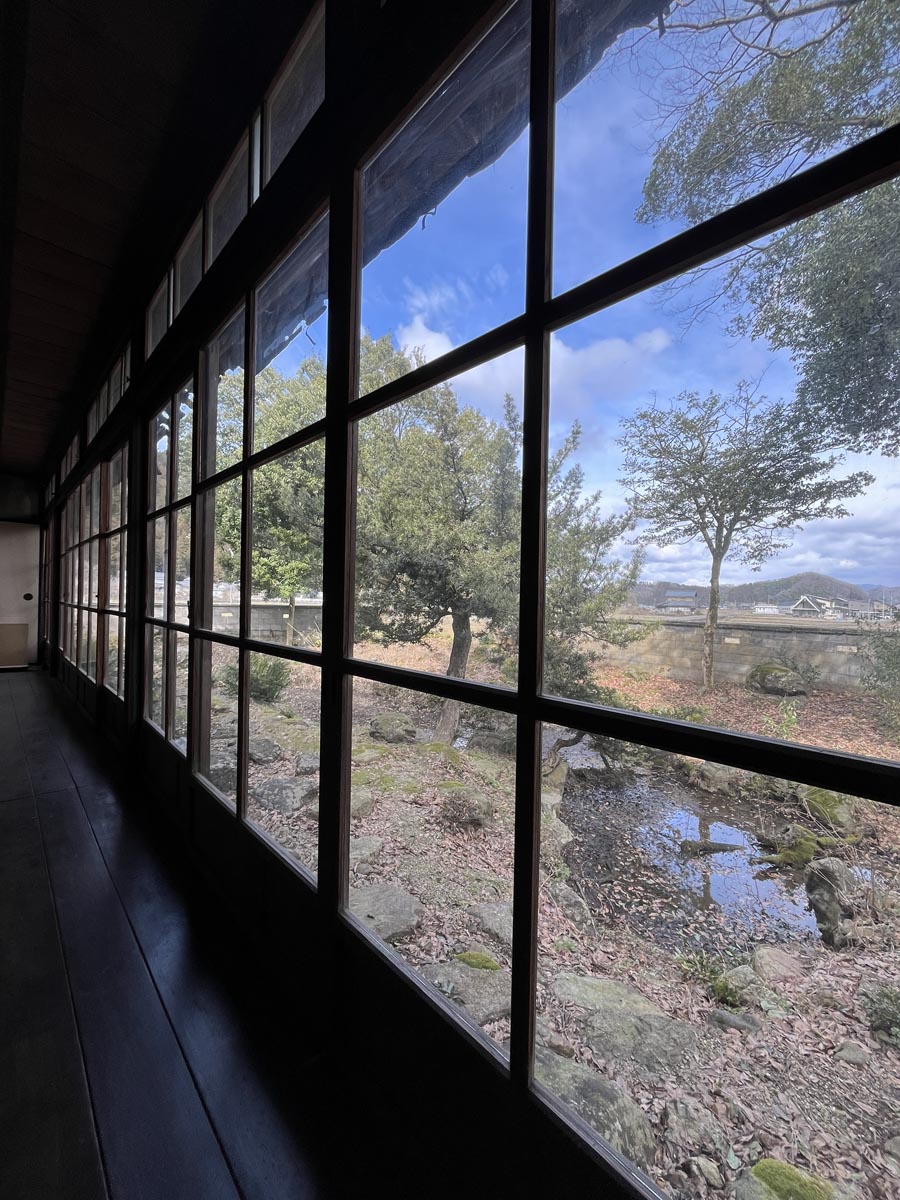
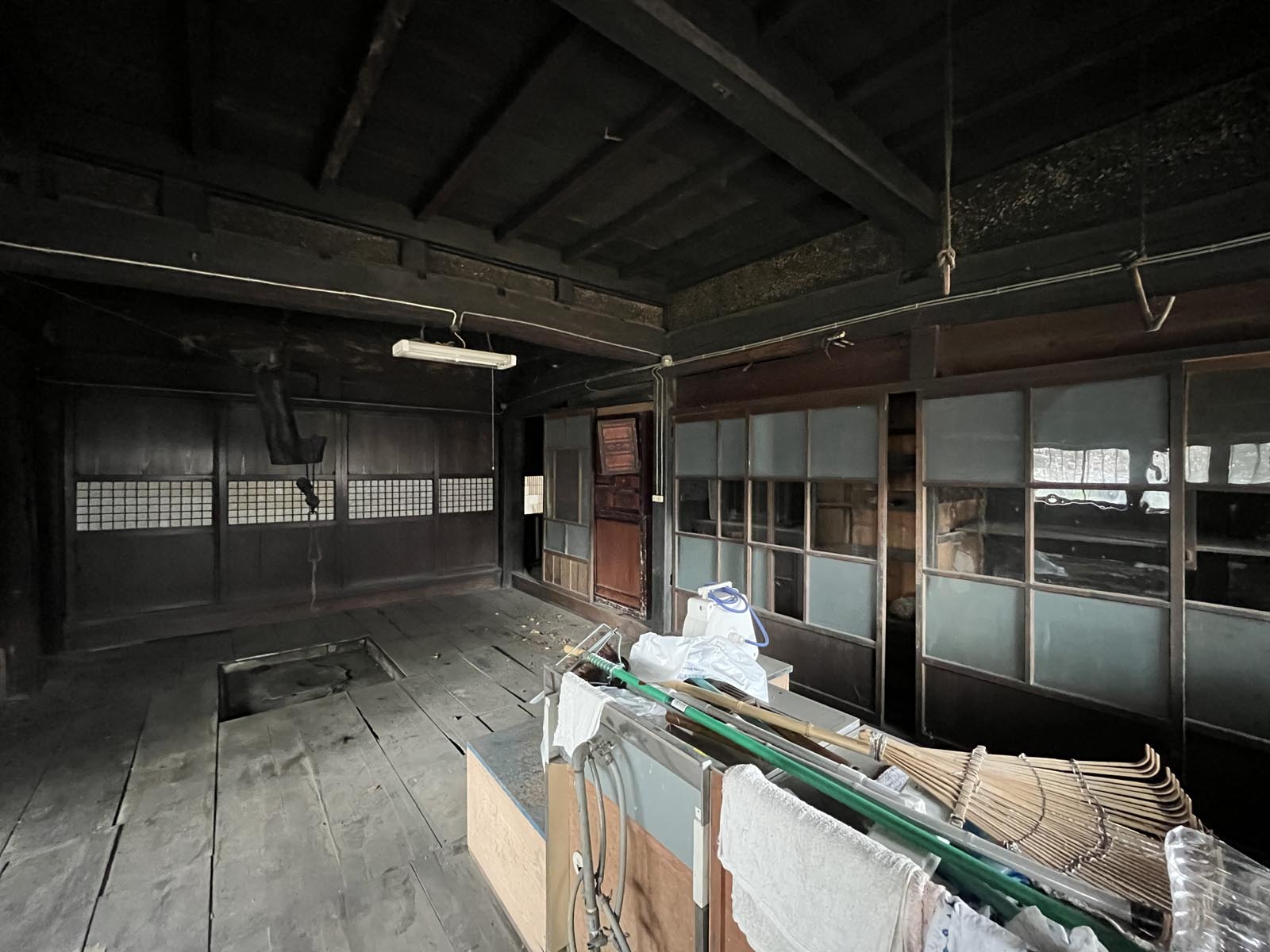
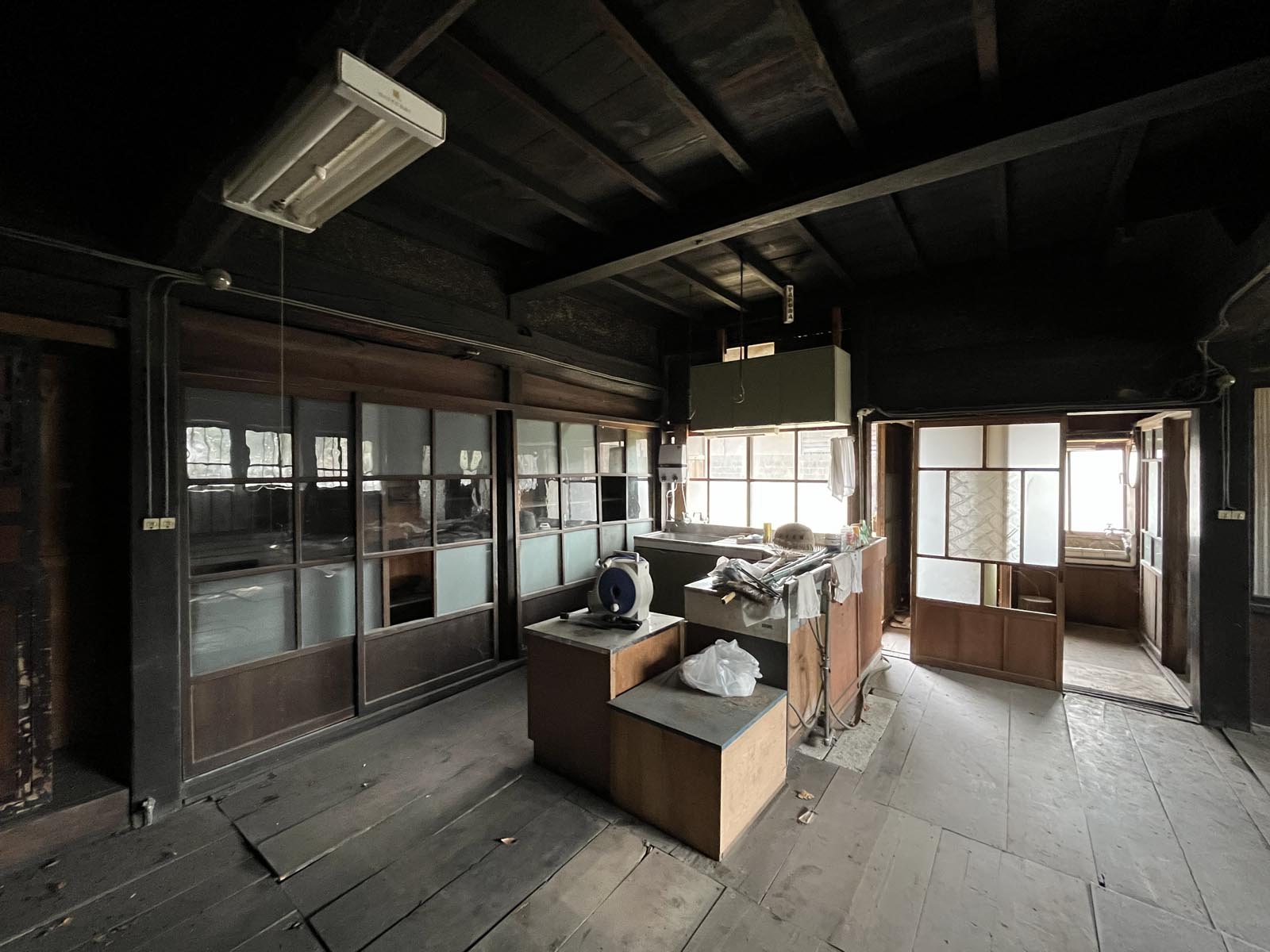
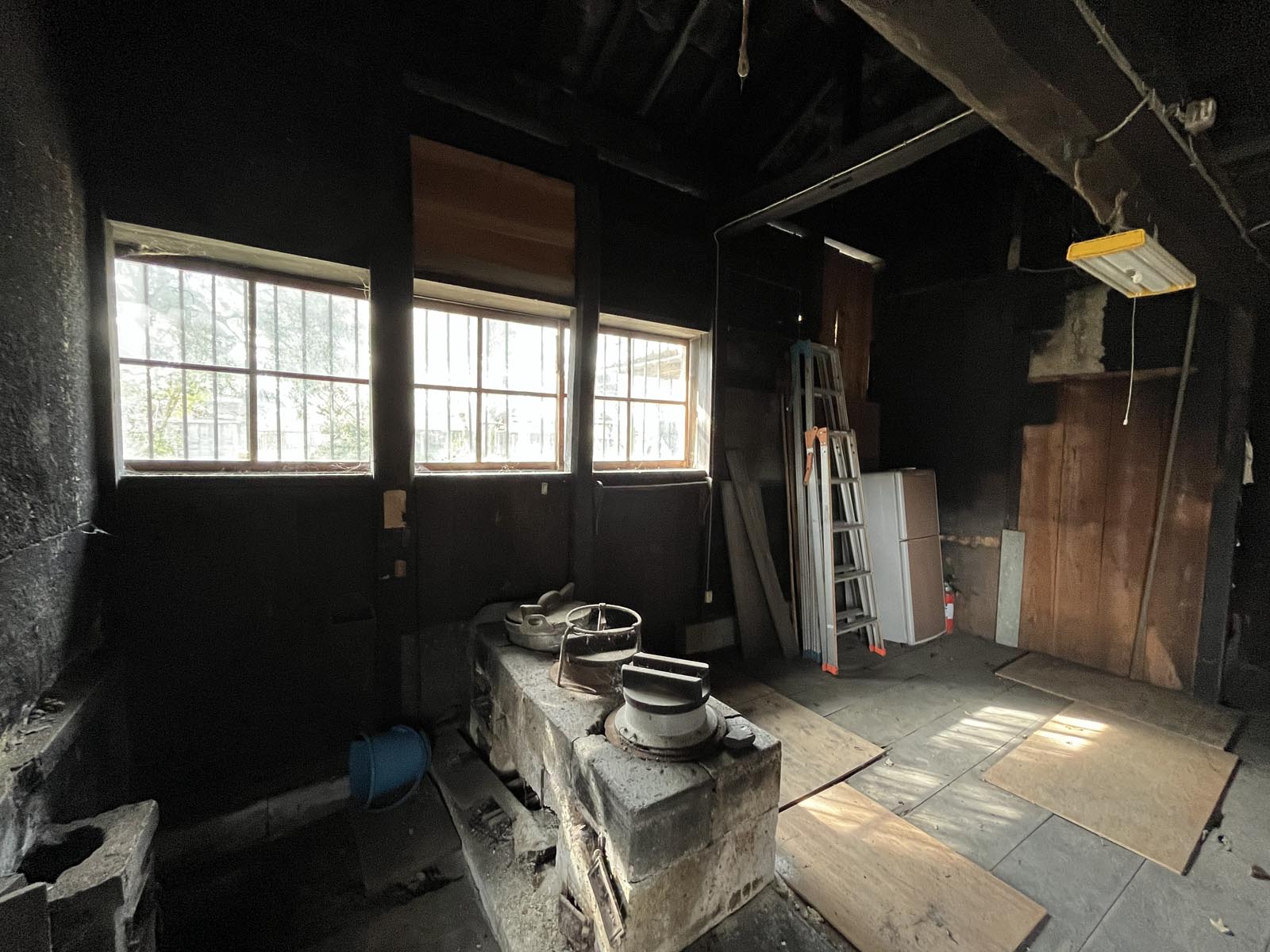
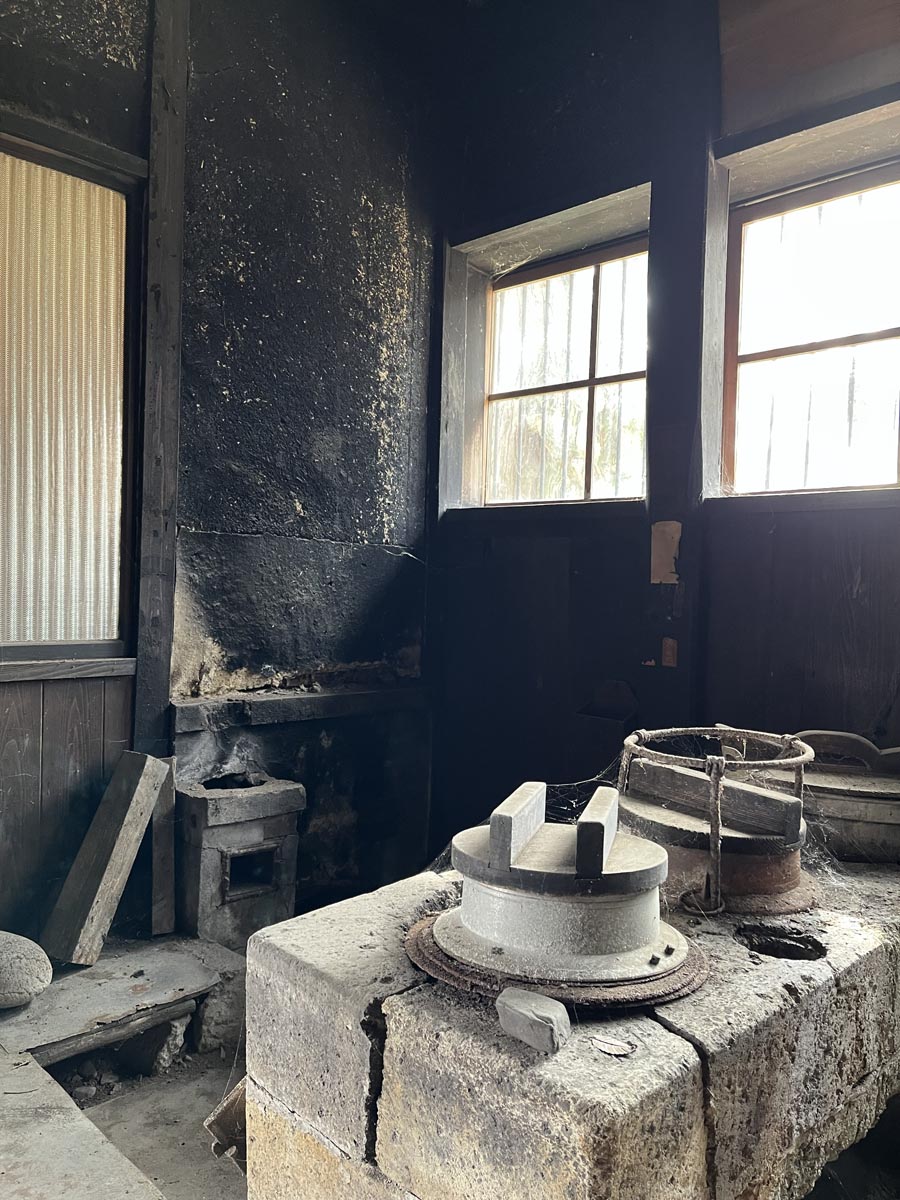
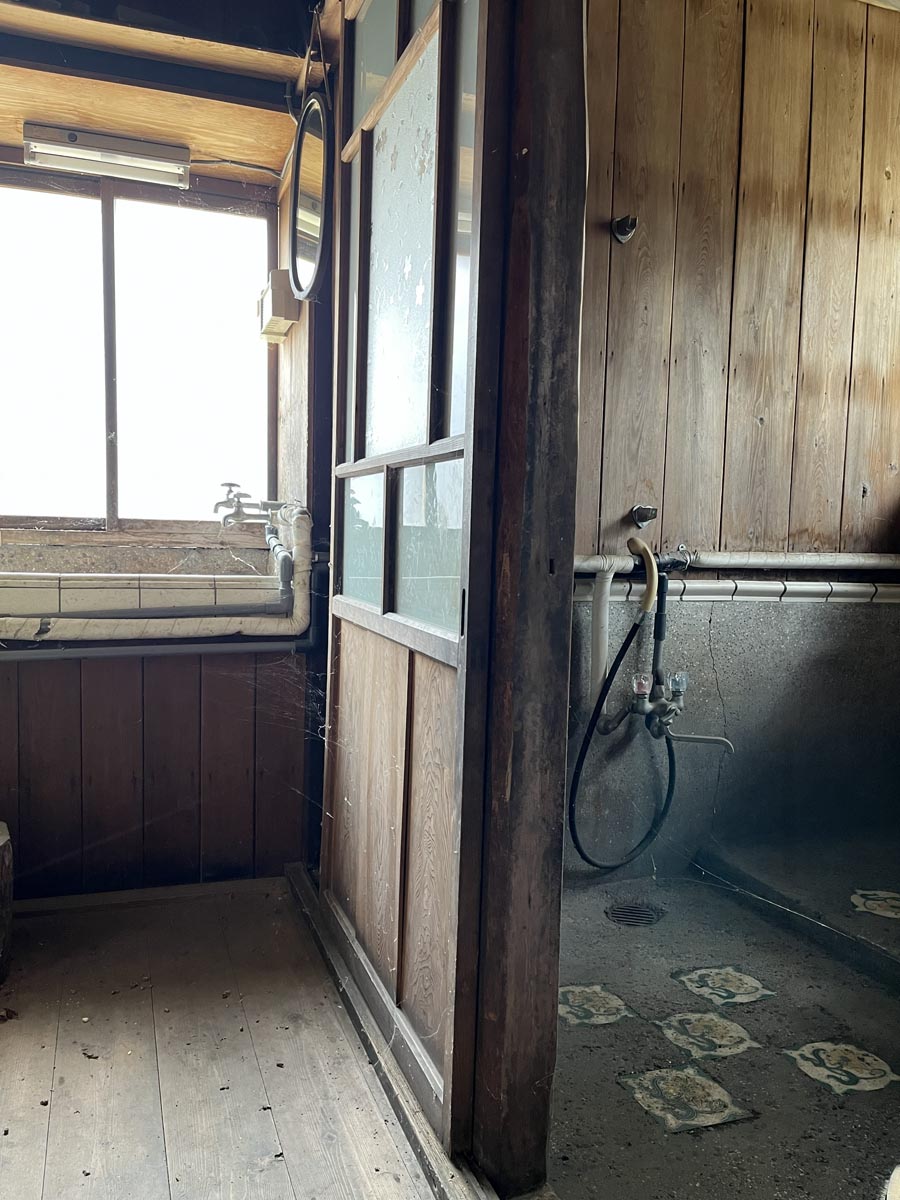
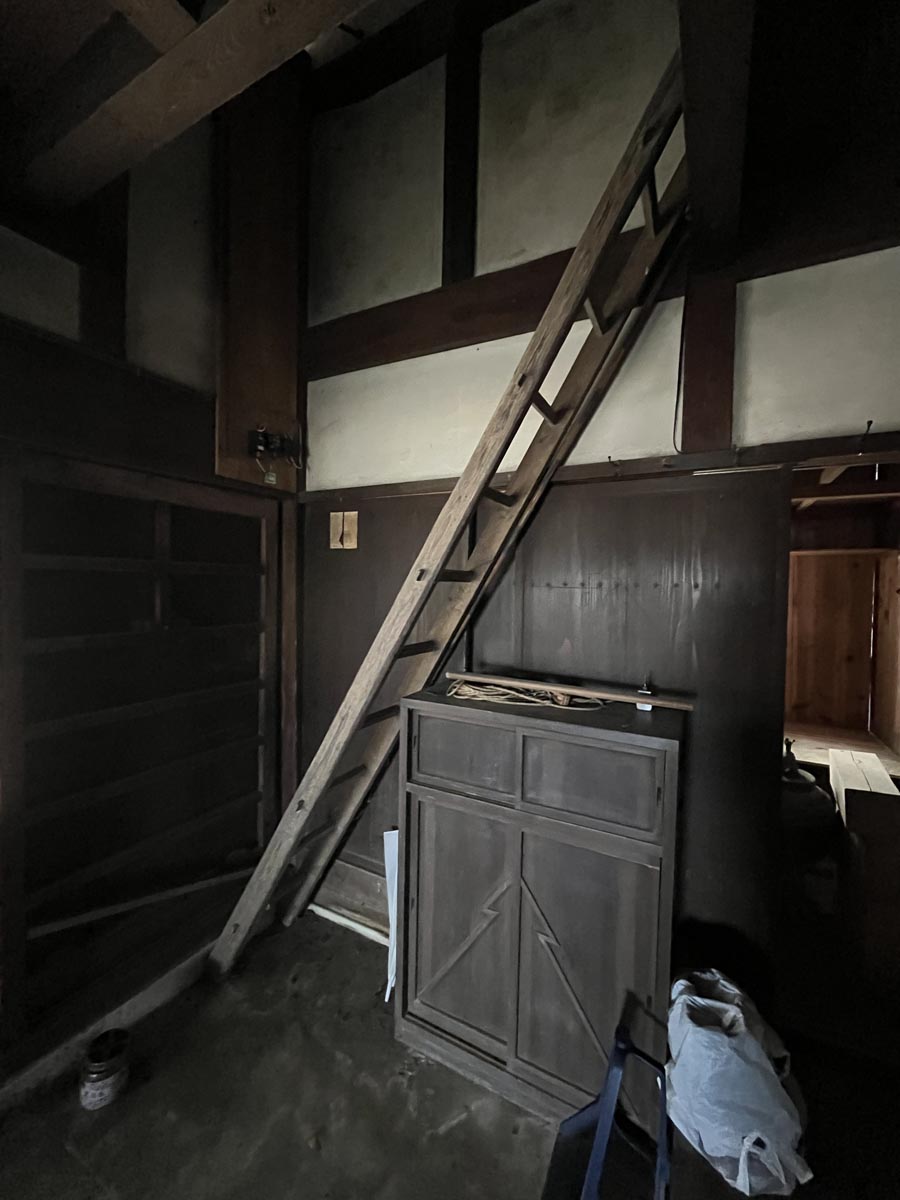
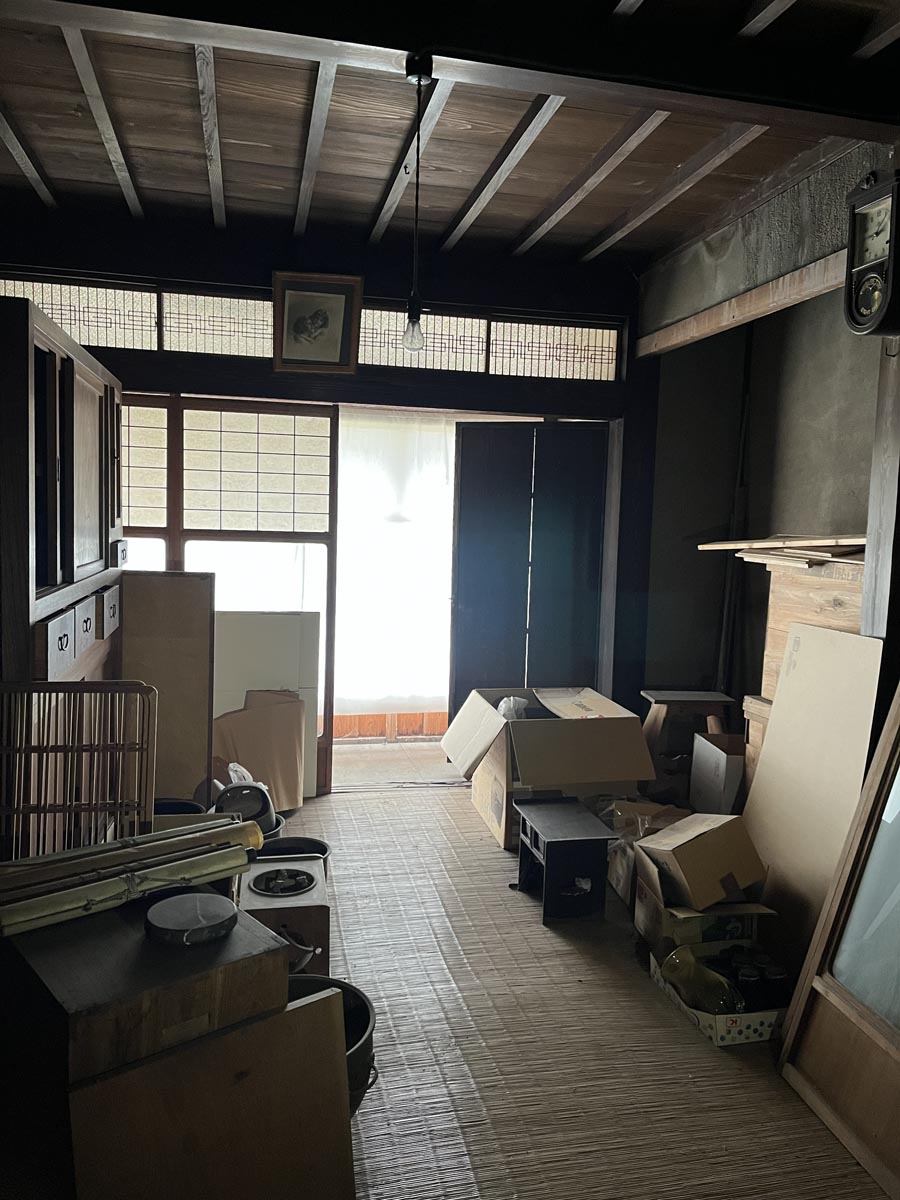
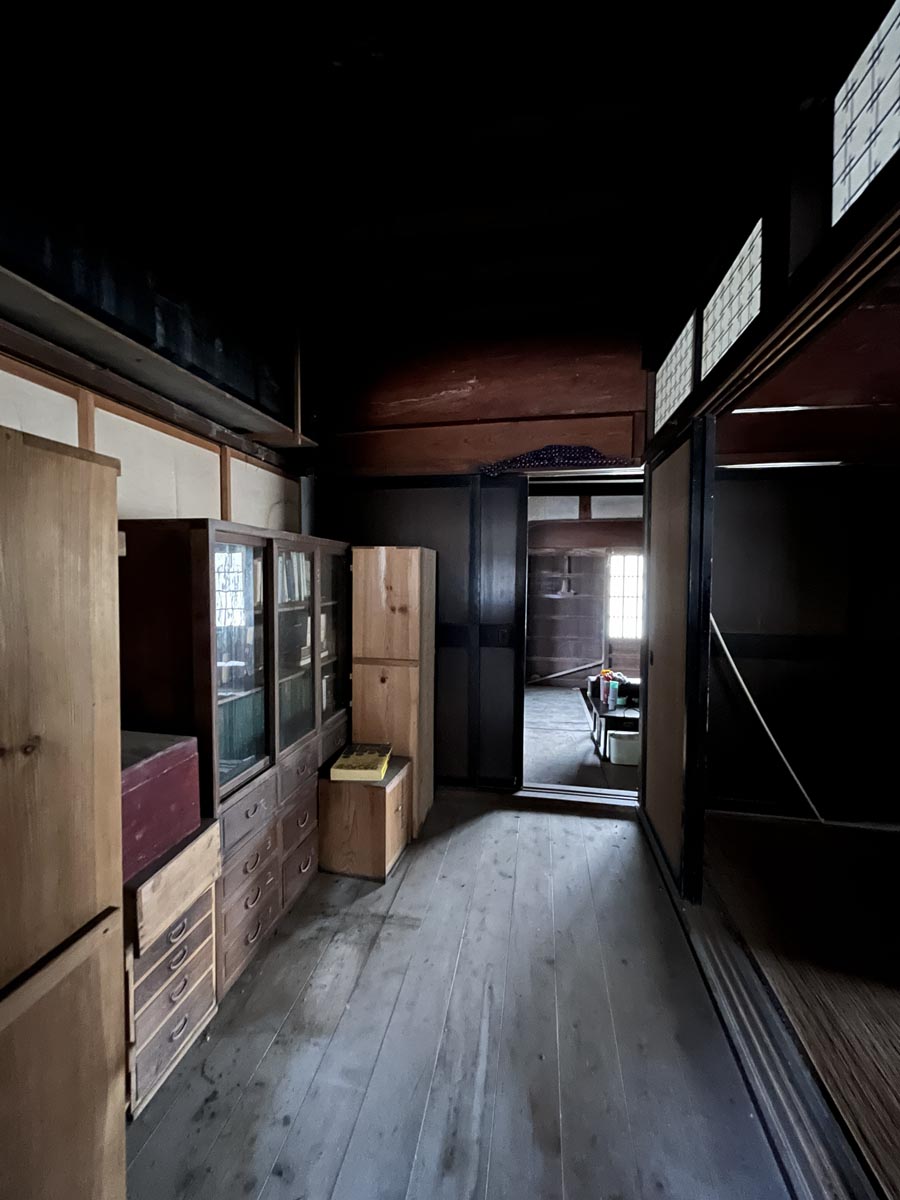
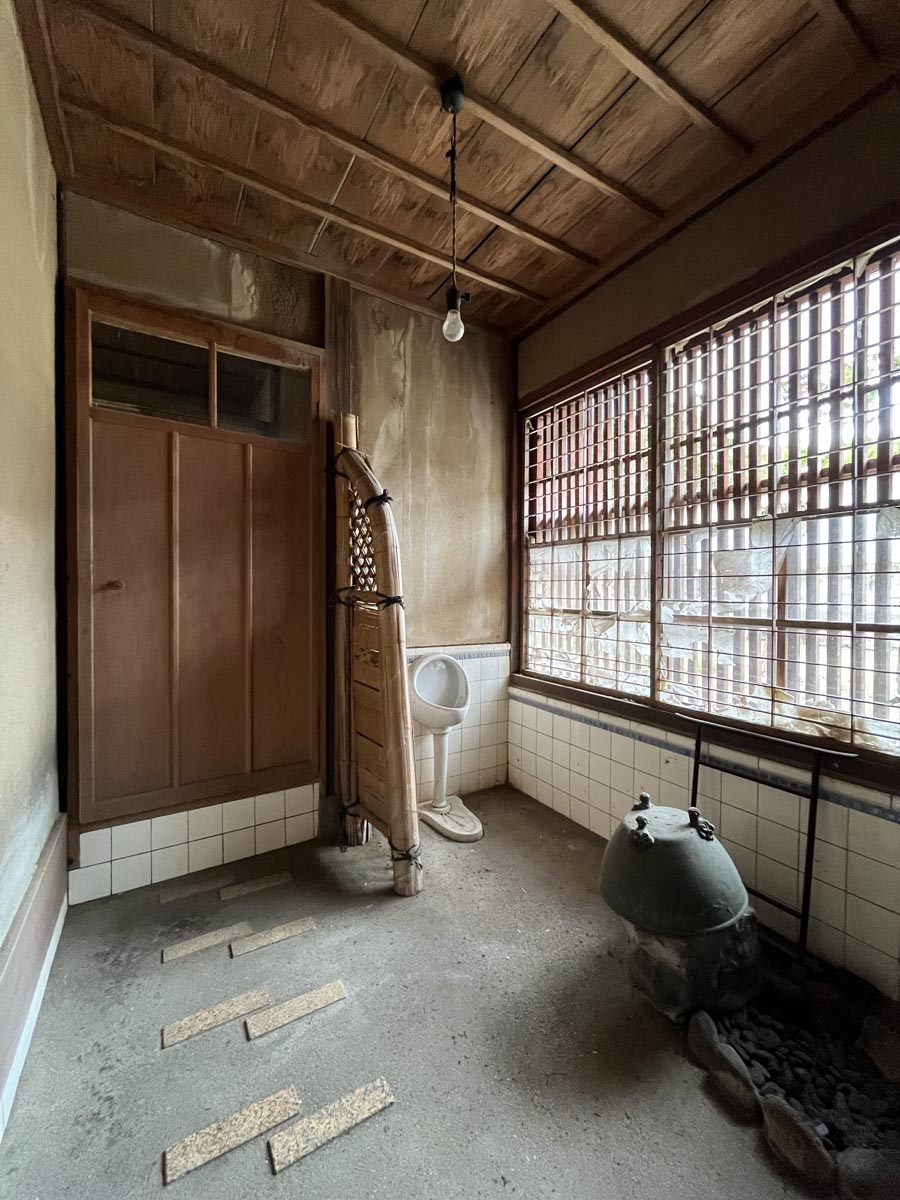
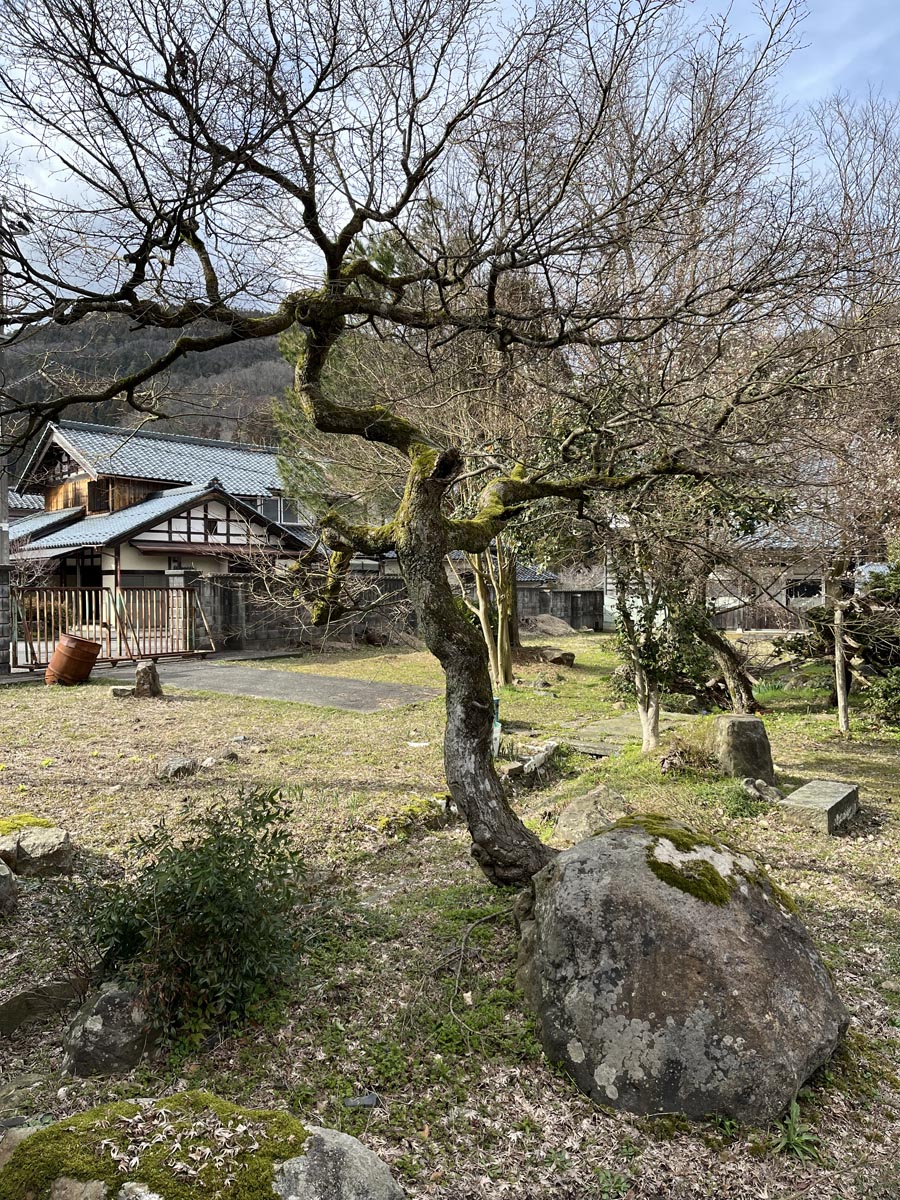
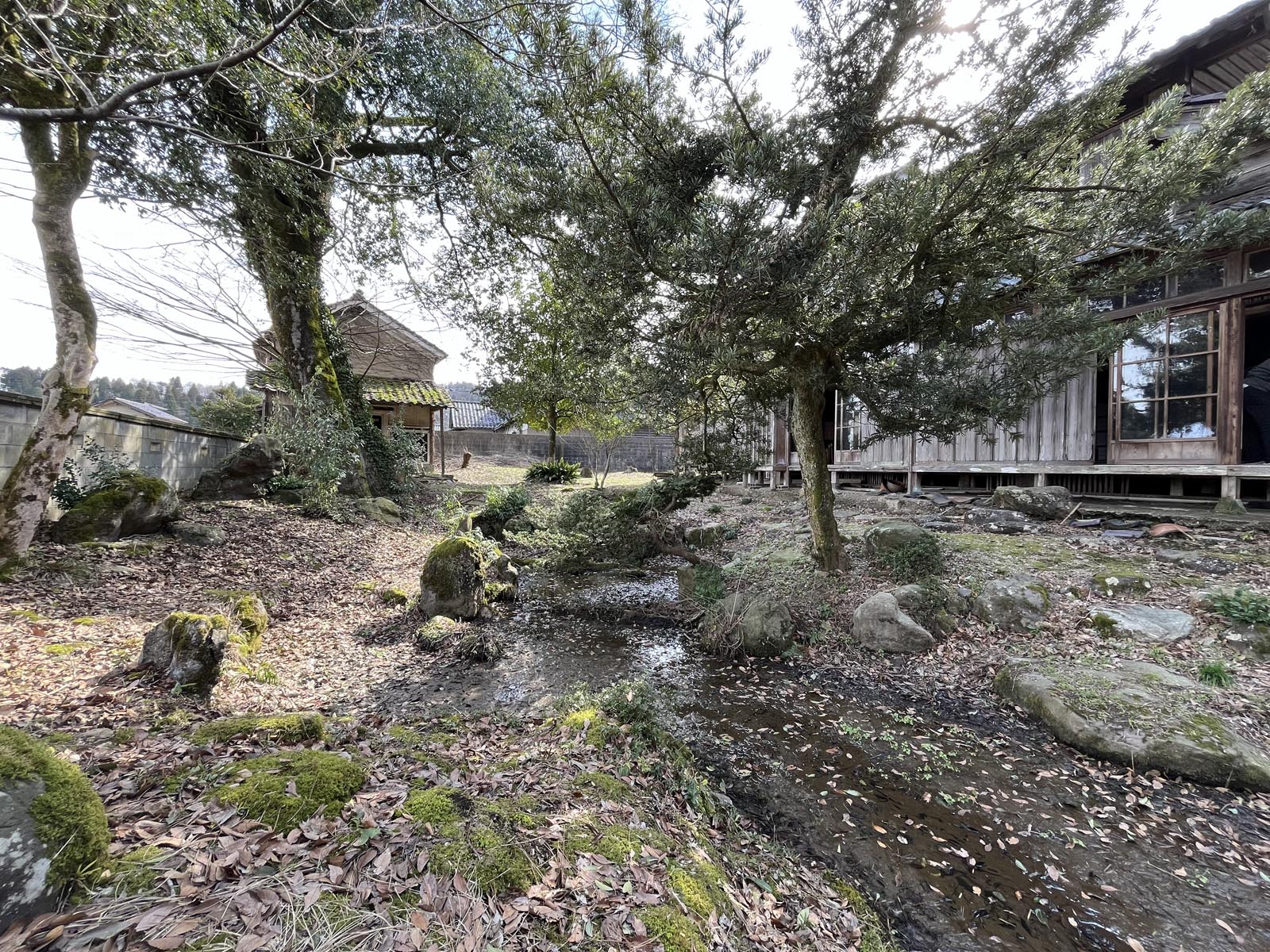
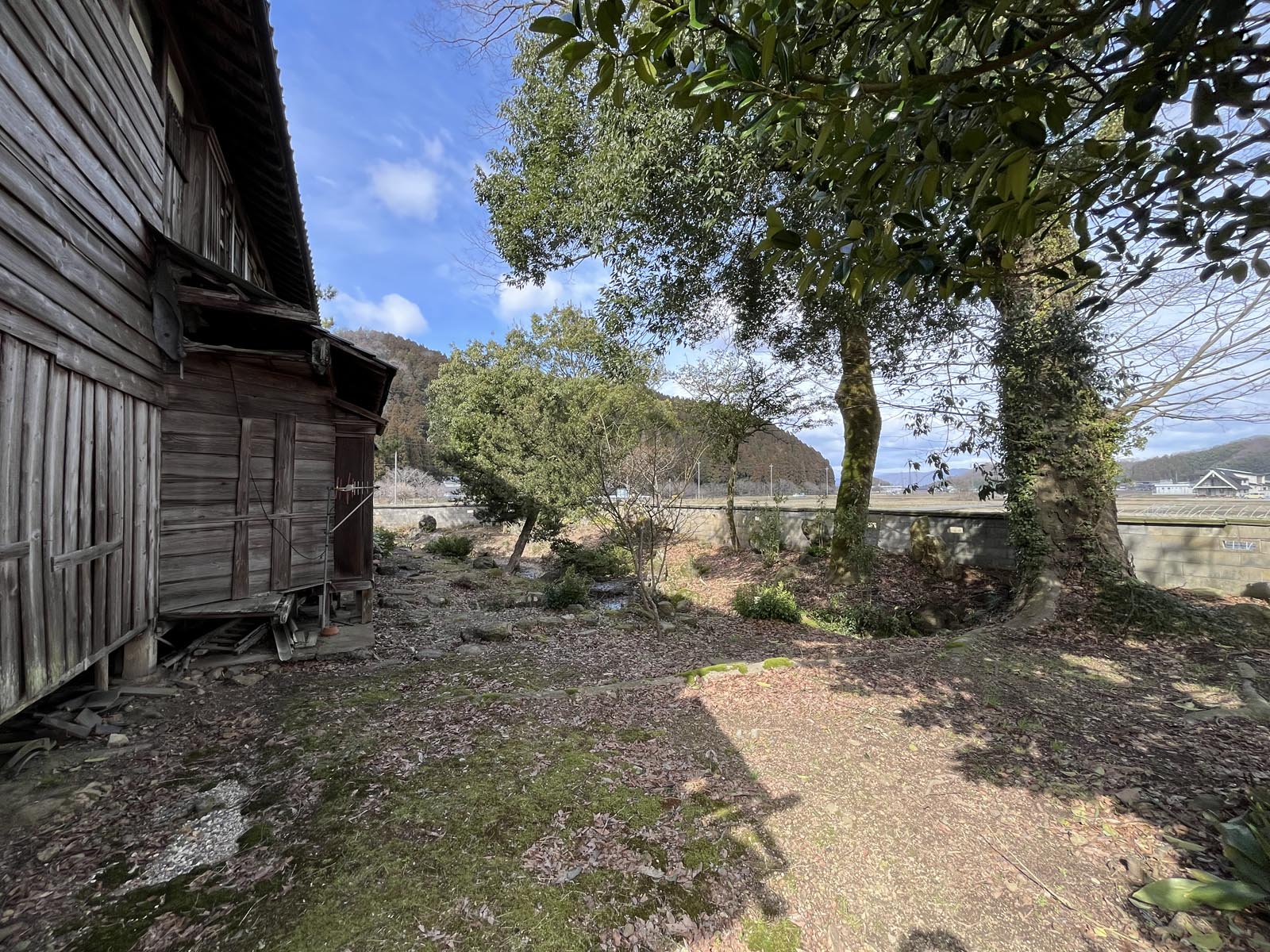
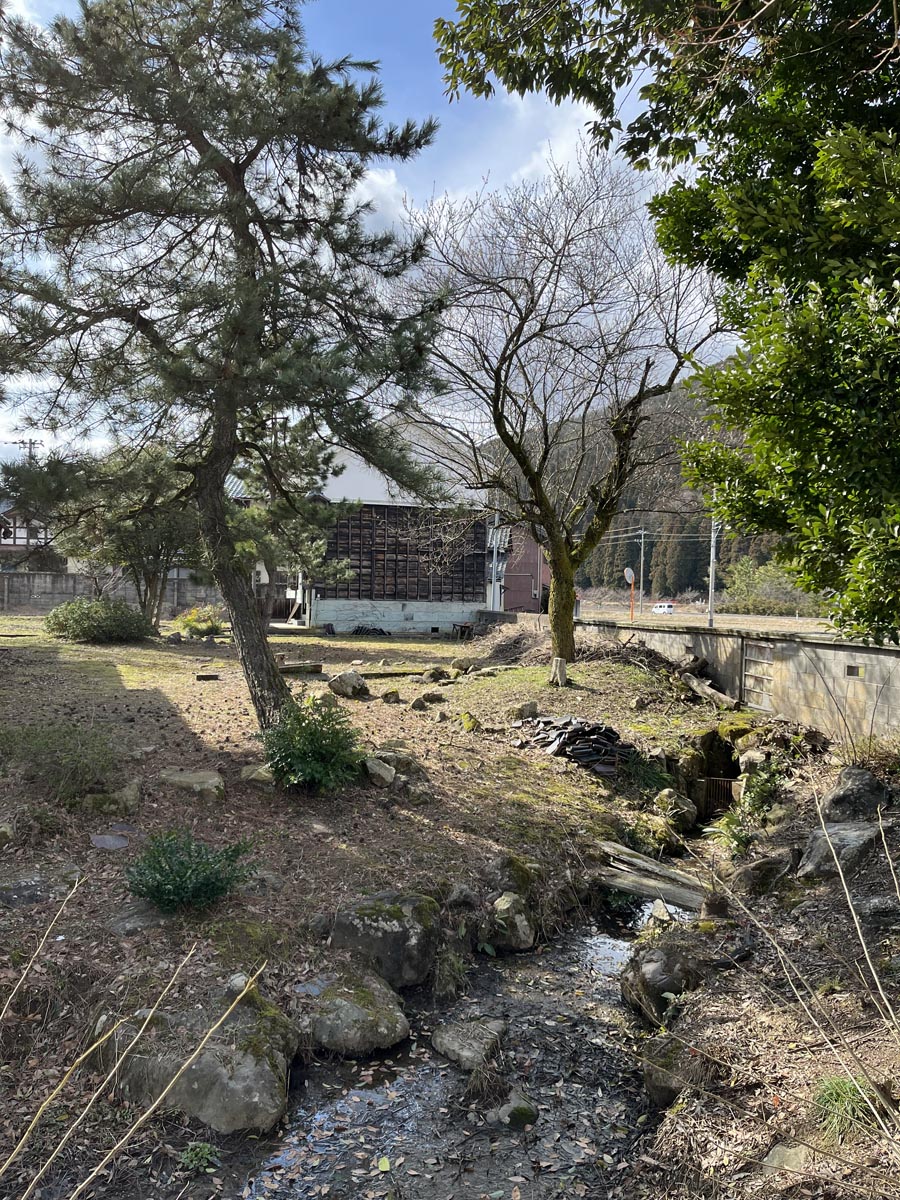
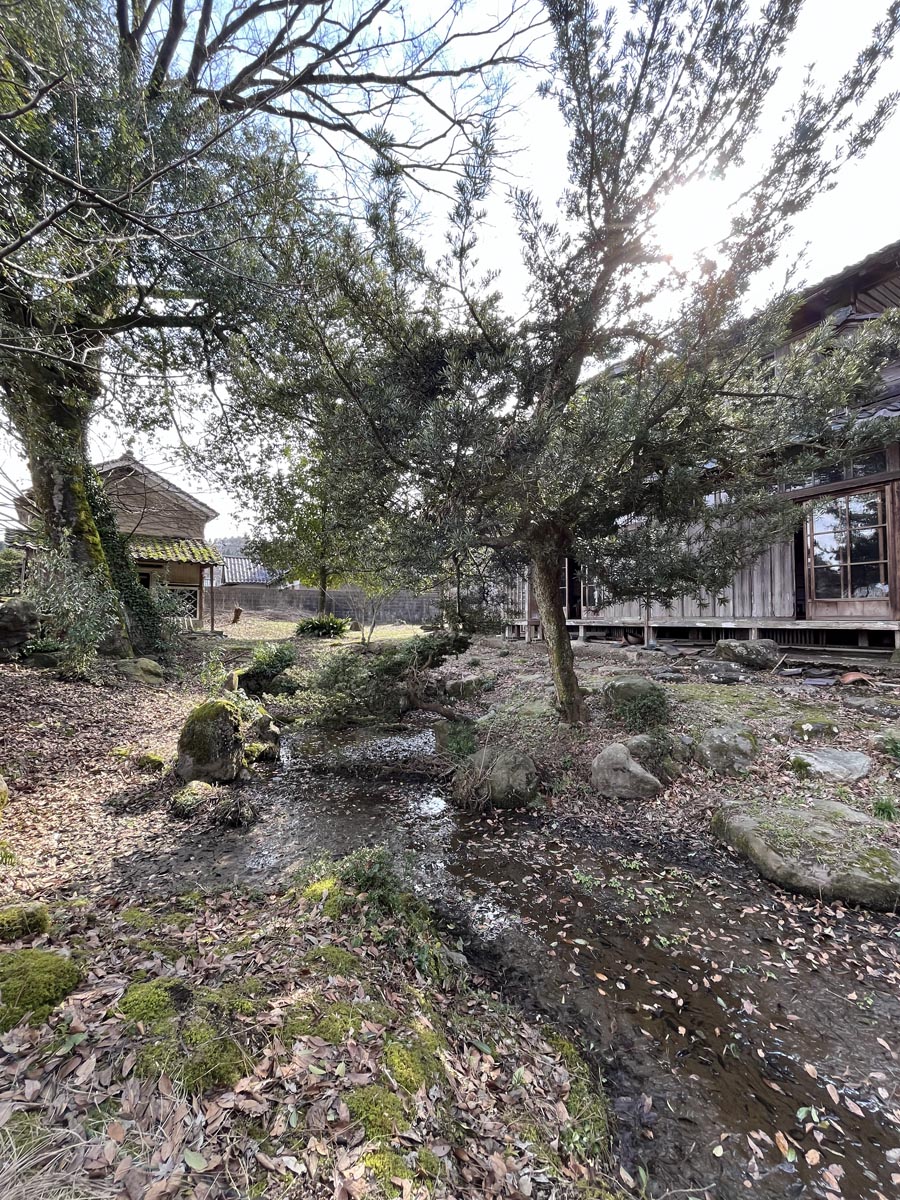
Main House Garden view (East side)
From the engawa veranda, you can enjoy sweeping views of the eastern garden. At its heart lies a graceful “Shinji-ike” pond, with long, flowing curves reminiscent of Zen temple landscapes. Behind it rises a landscaped mound symbolizing a sacred mountain, set with carefully chosen stones representing the Buddha and framed by towering trees. Beyond the garden wall stretches an expansive panorama of rice fields, culminating in the snow-capped sacred peak of Mt. Hekosan (1,464 m).
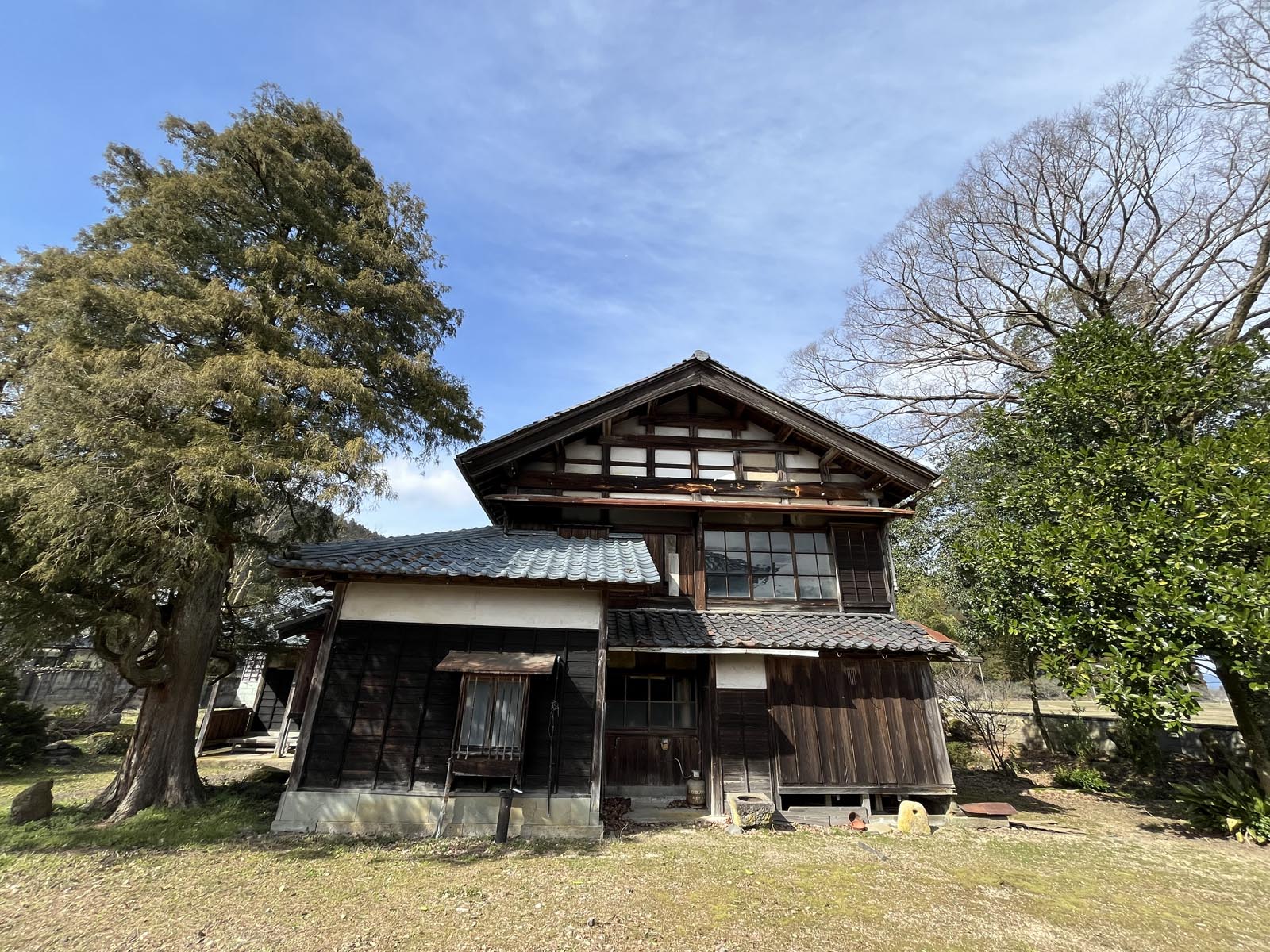
Main House 2F and Attic
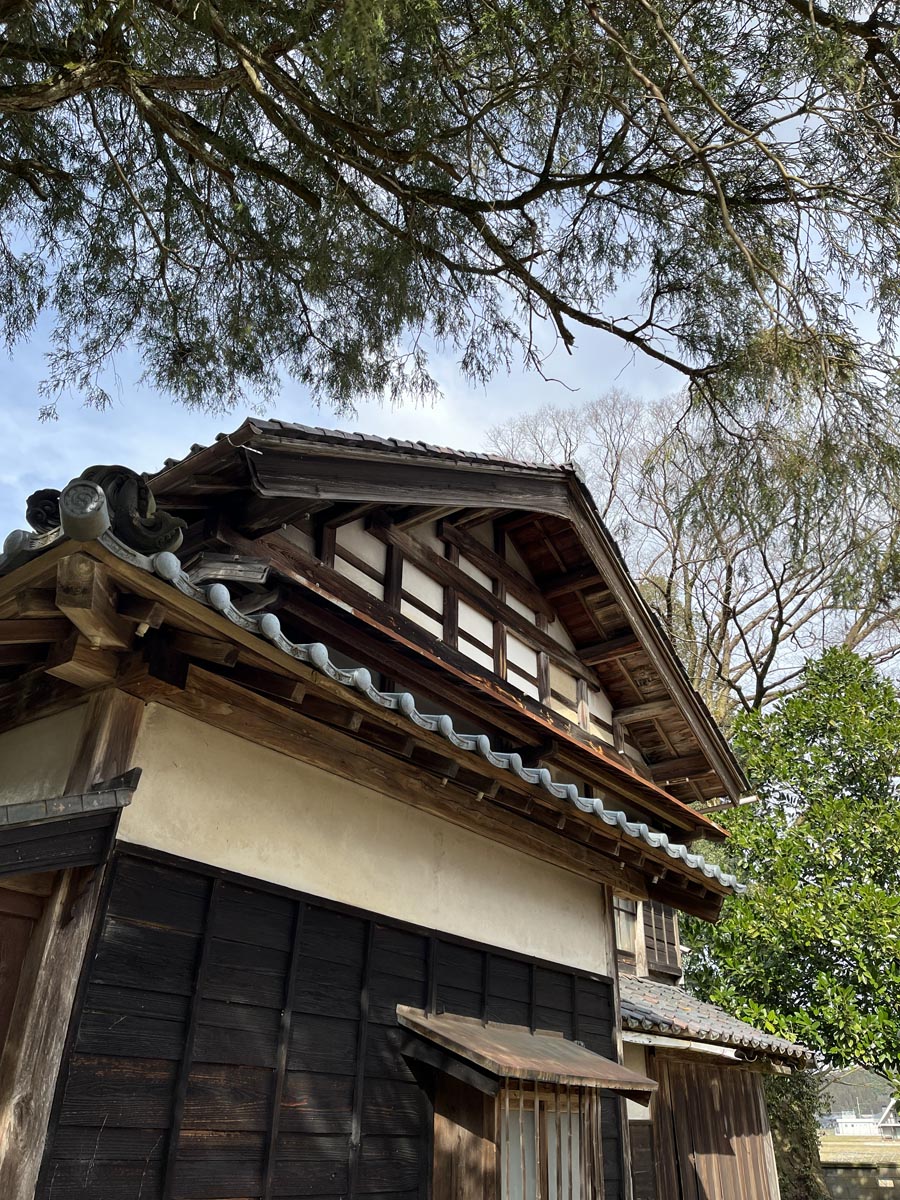
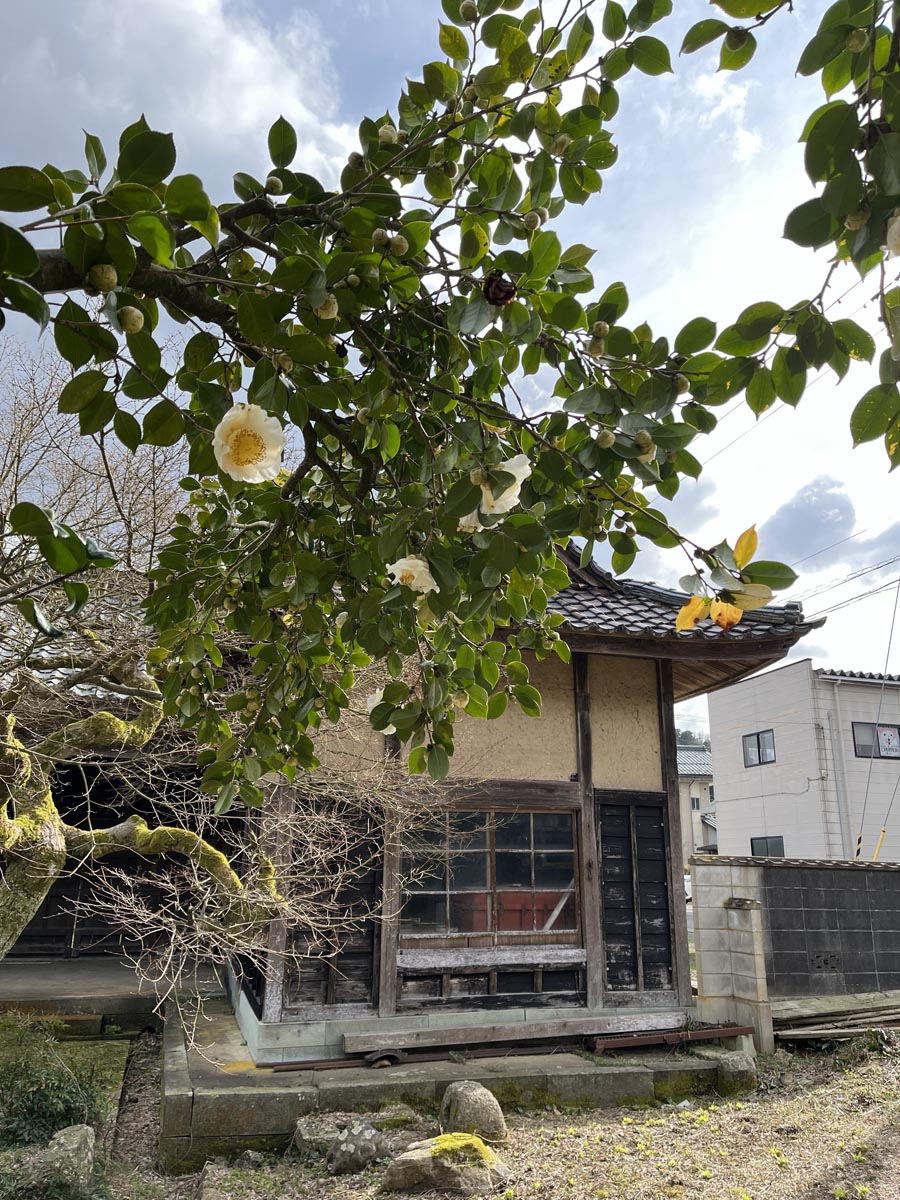
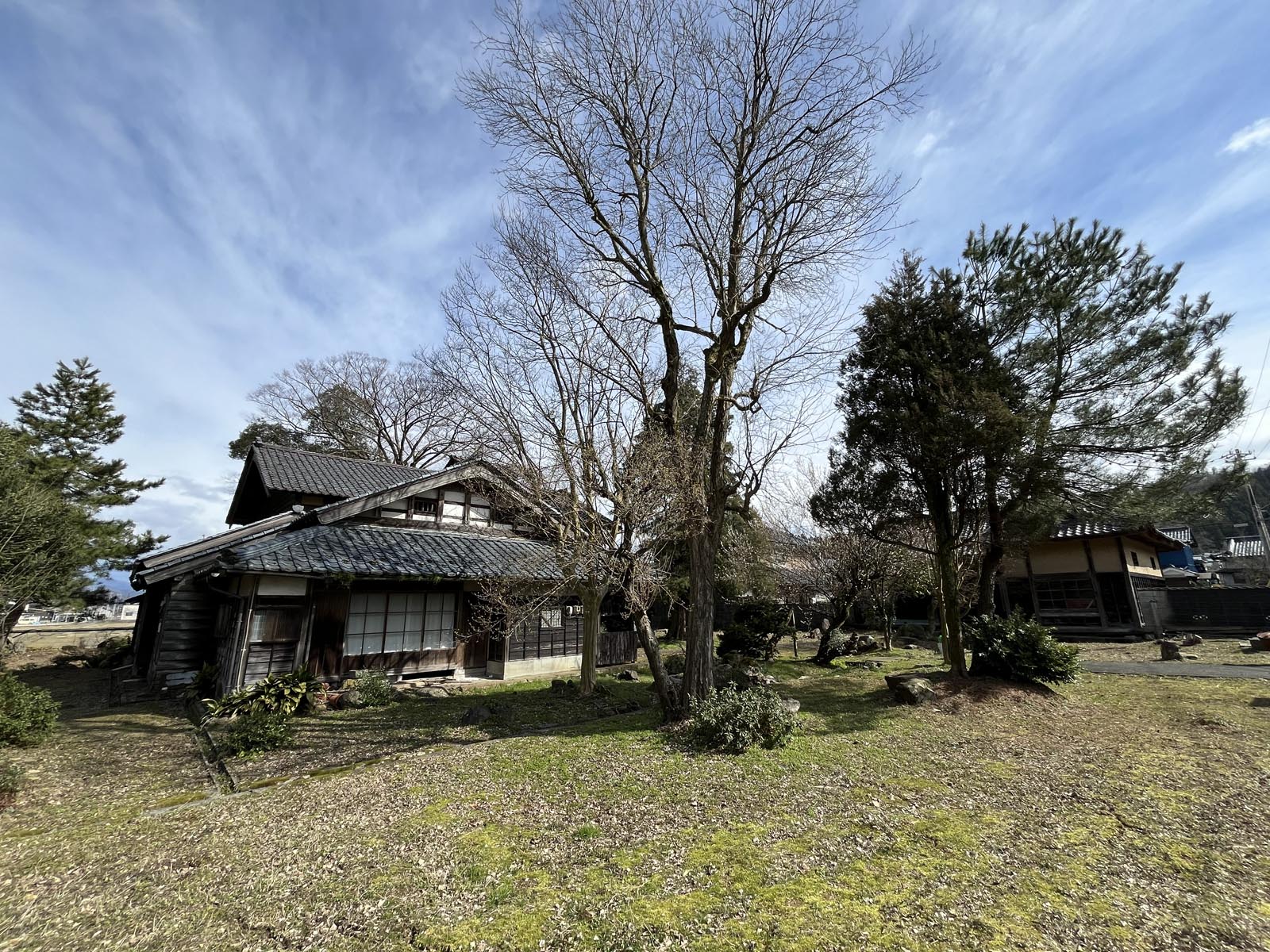
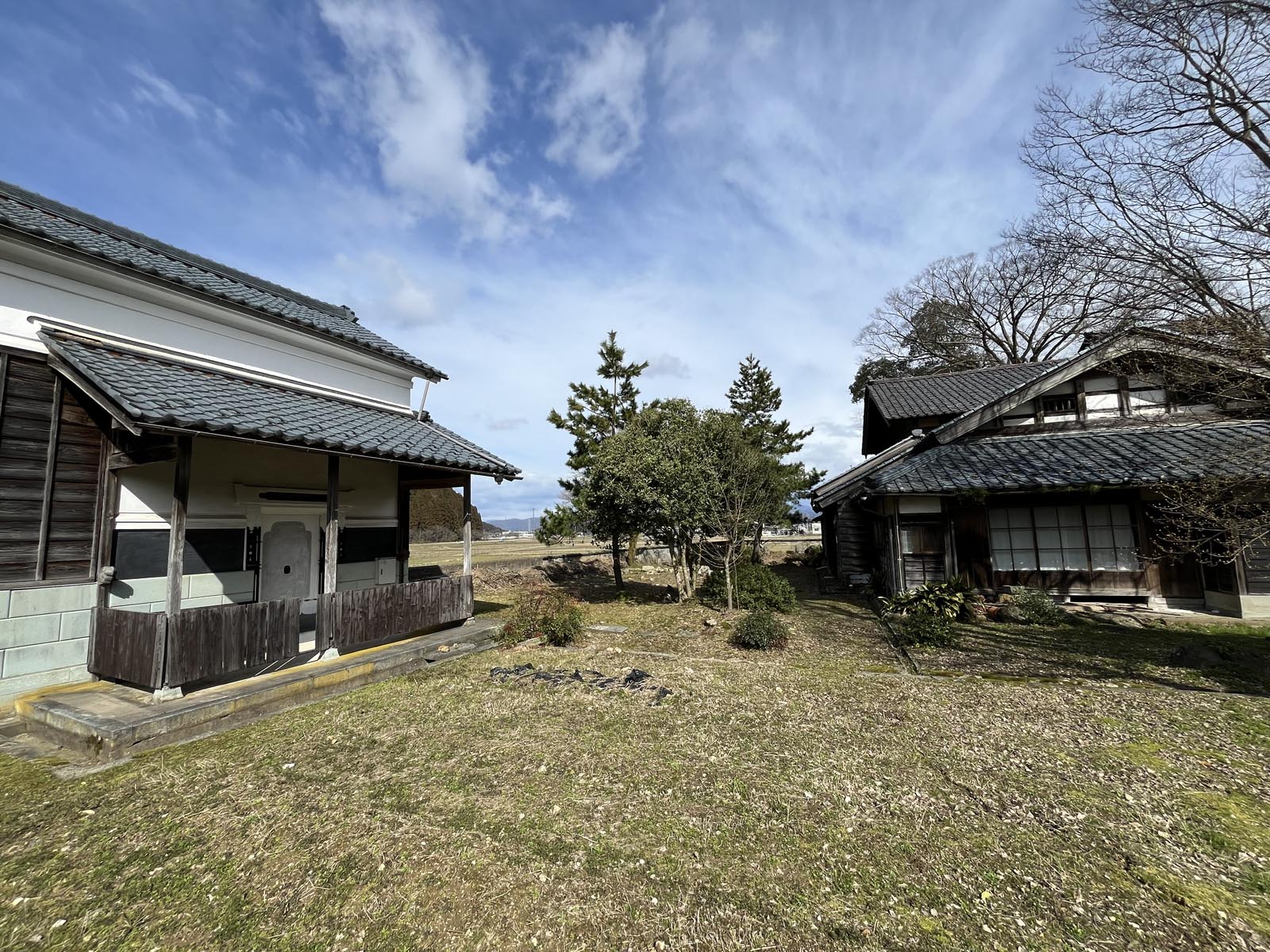
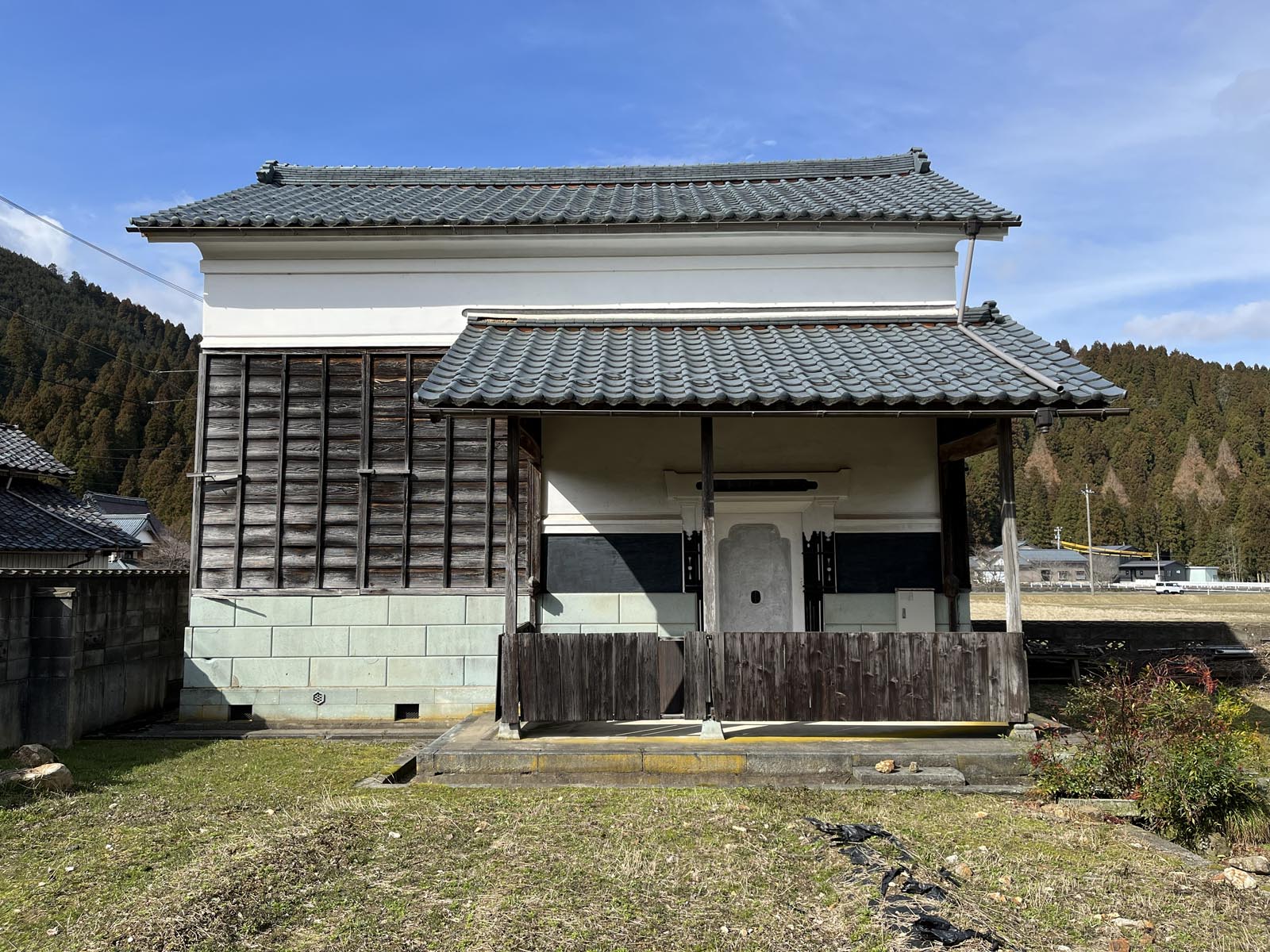
Main House (West & North side) and Kura
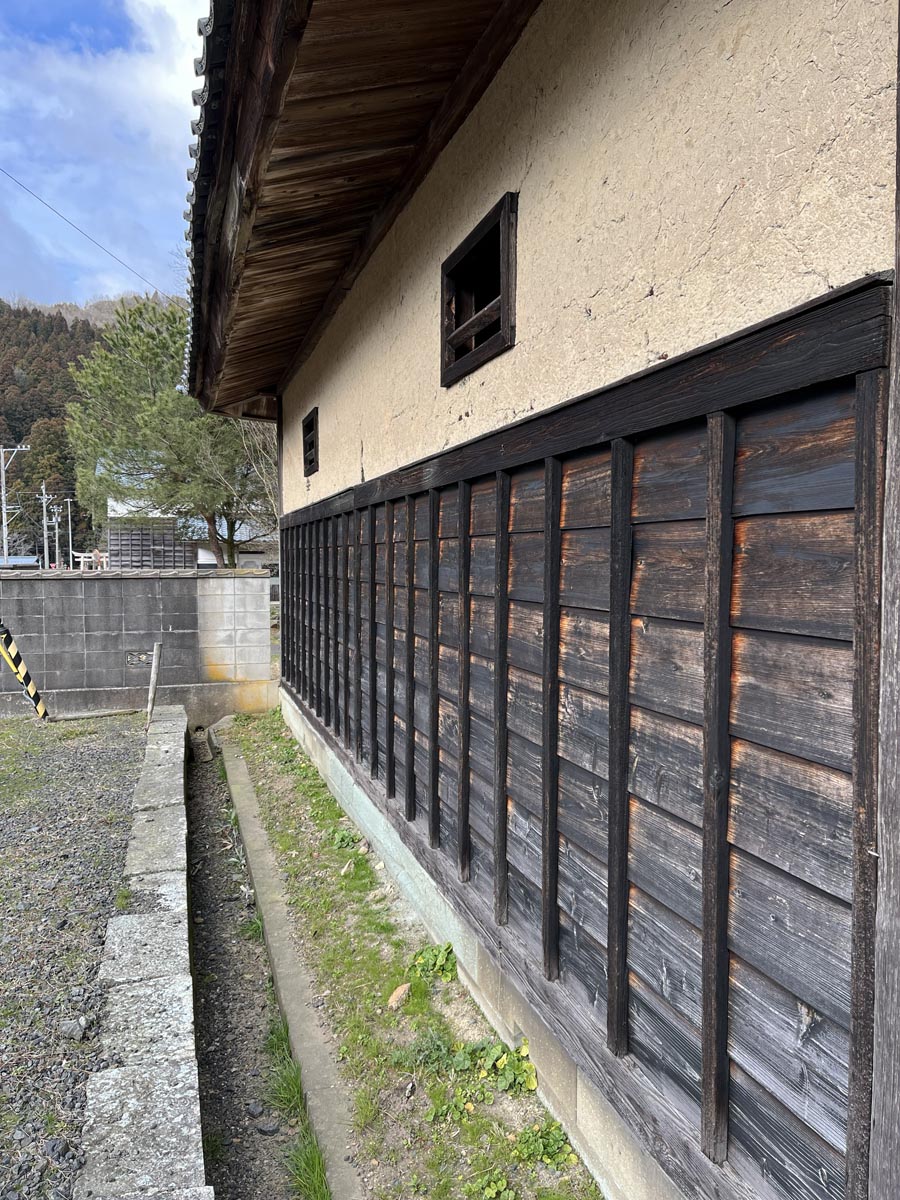
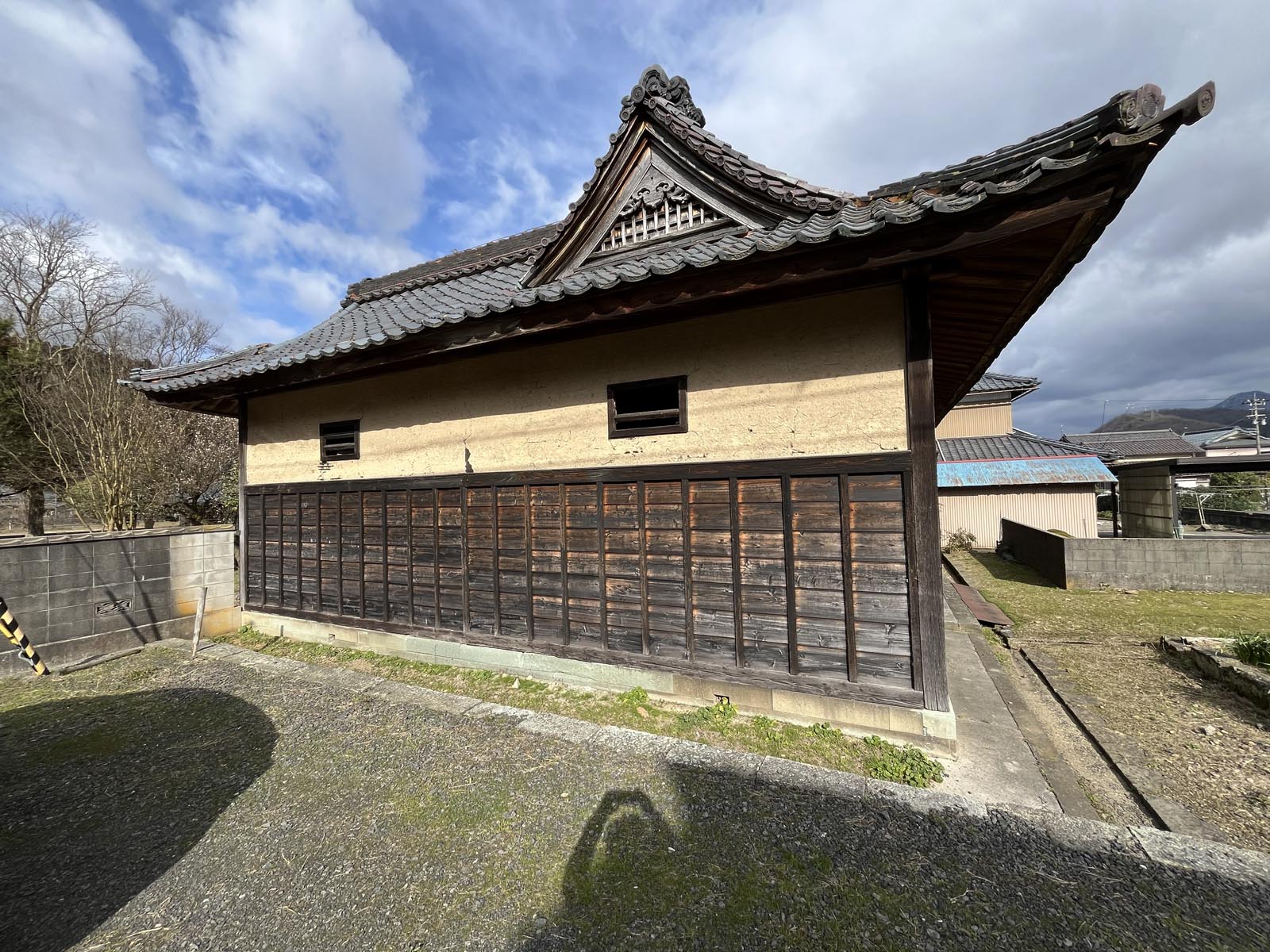
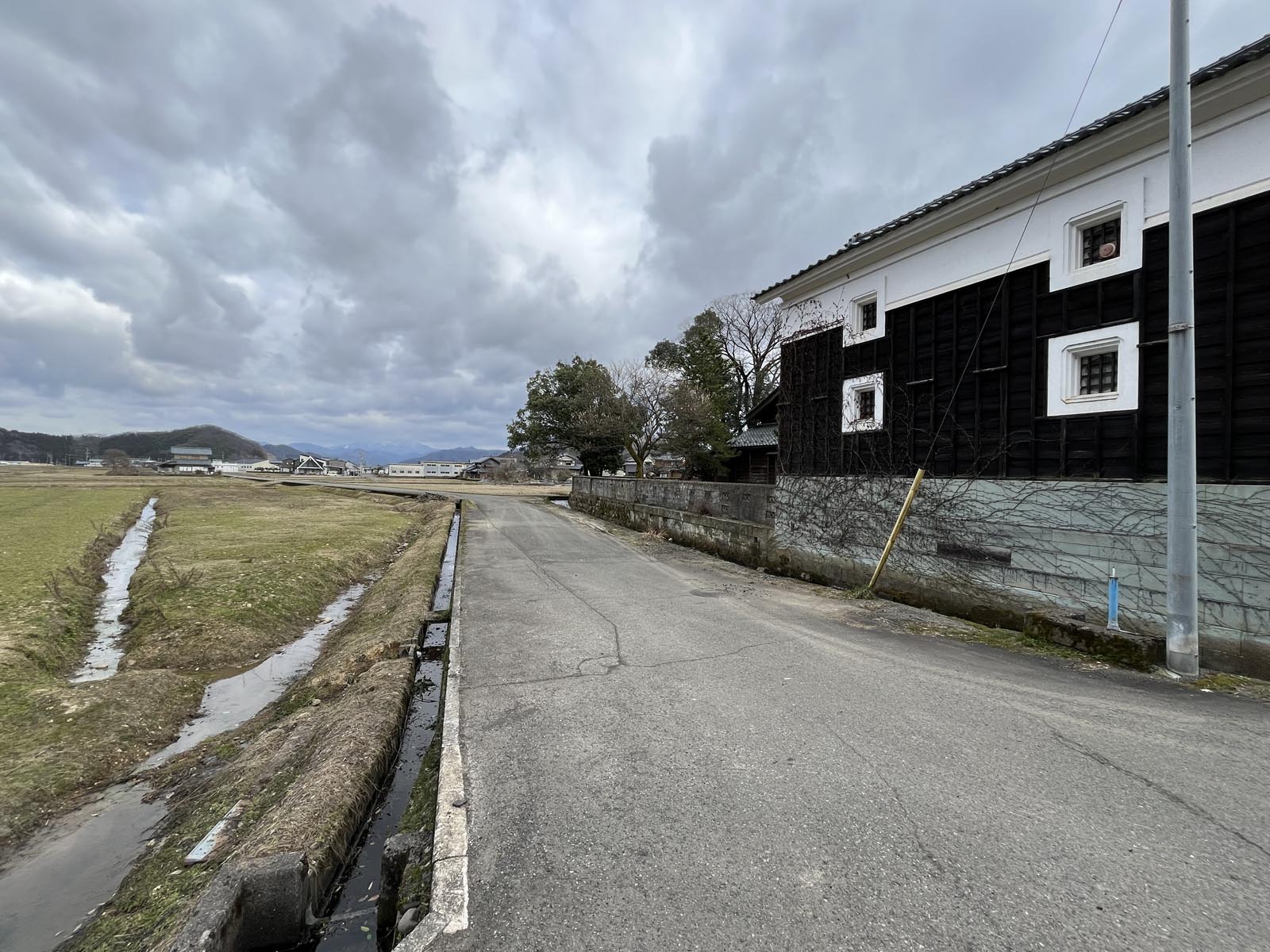
The property includes two traditional kura storehouses, one of which—located at the northwest corner—is a large structure built in 1892 (Meiji 25) and, together with the main house and Nagaya-mon gate, is registered as a National Tangible Cultural Property. It features a raised stone foundation, high protective wooden siding designed to shield against rain and snow, and thick plaster walls extending to the eaves. Particularly noteworthy are the finely crafted plaster details around the doorway, including the elegantly formed pillars and lintel.
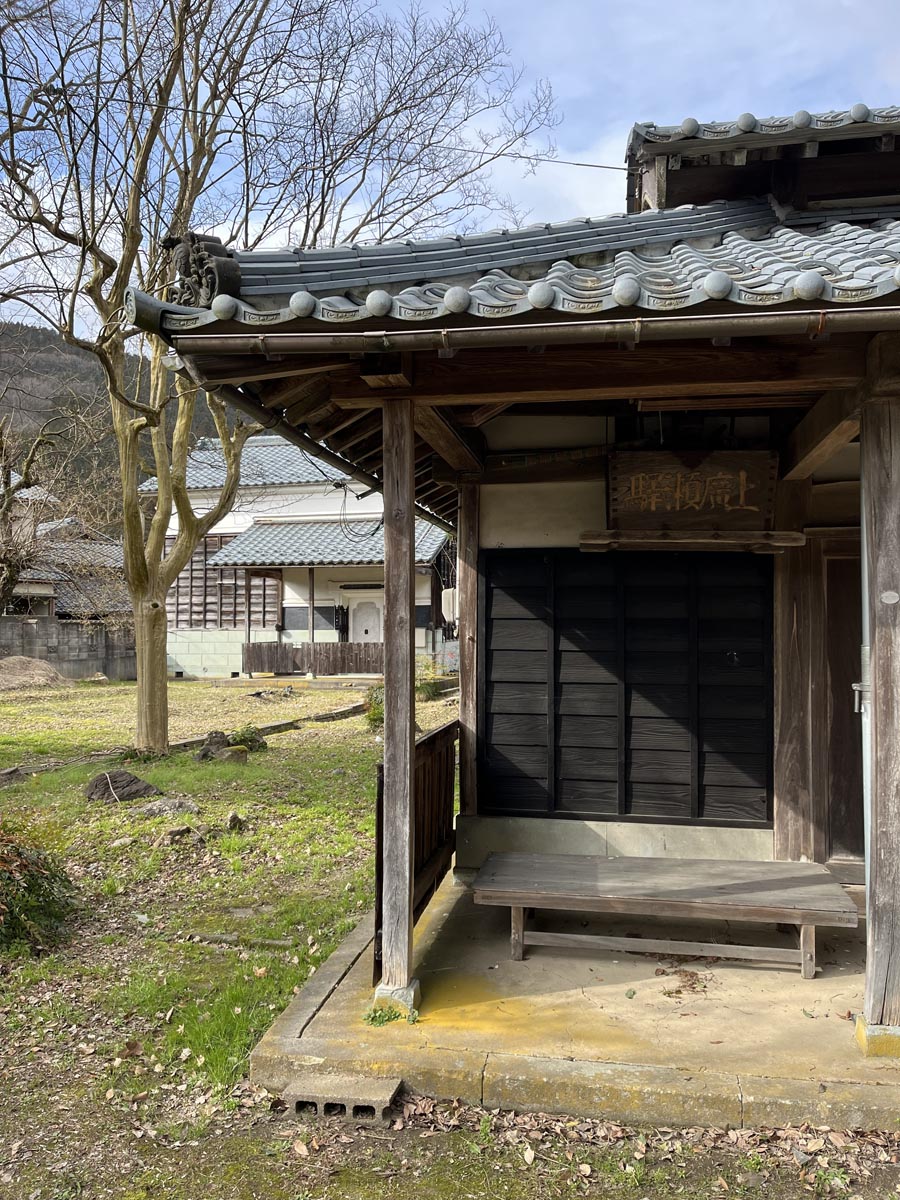
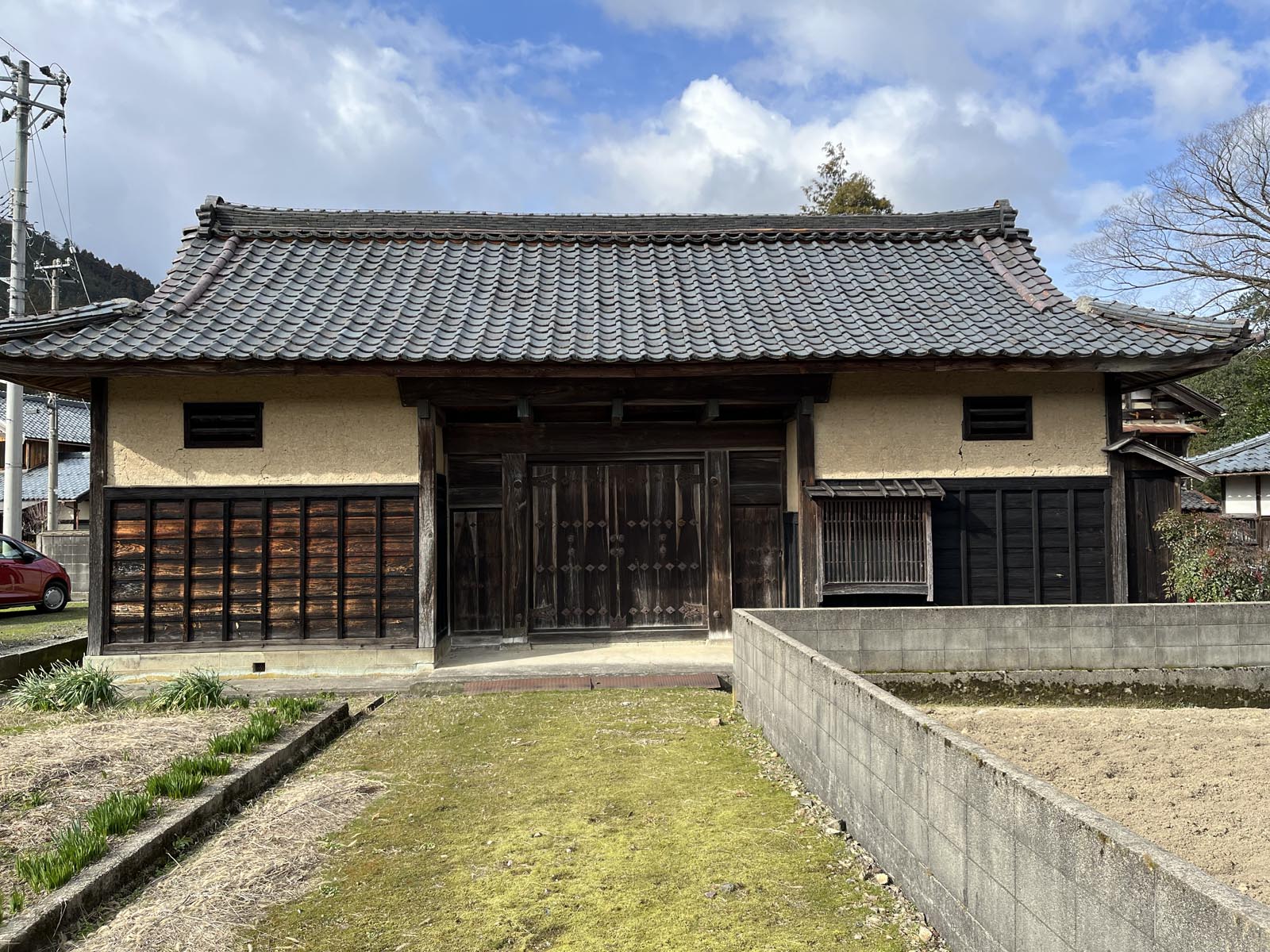
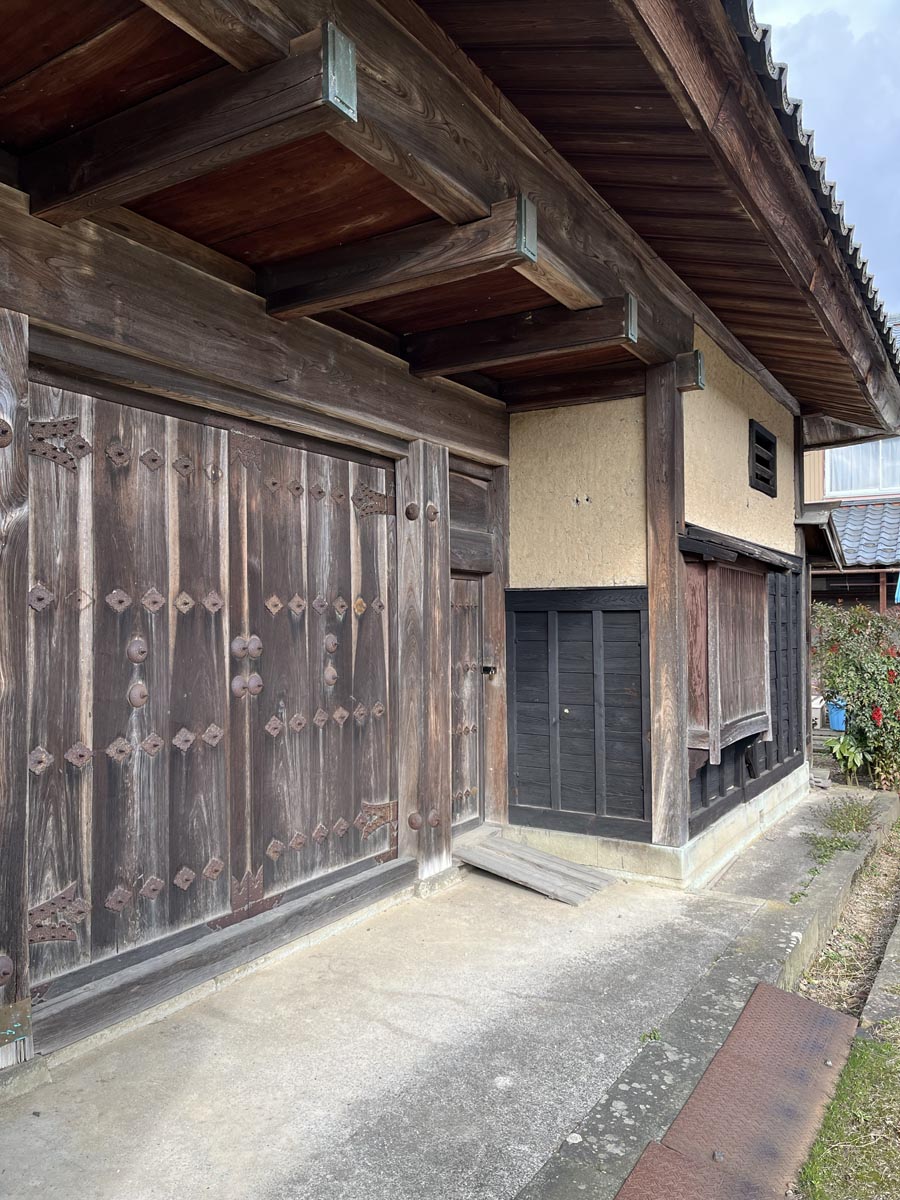
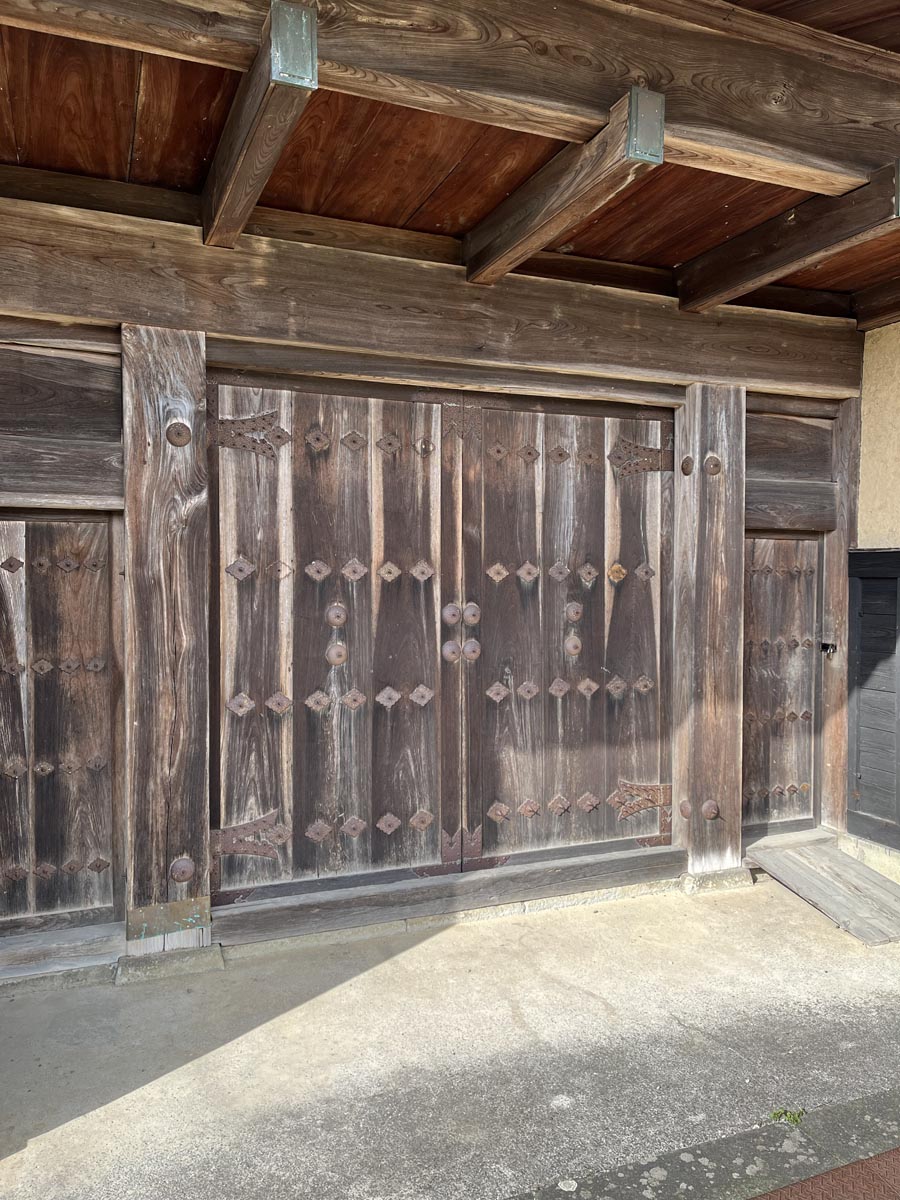
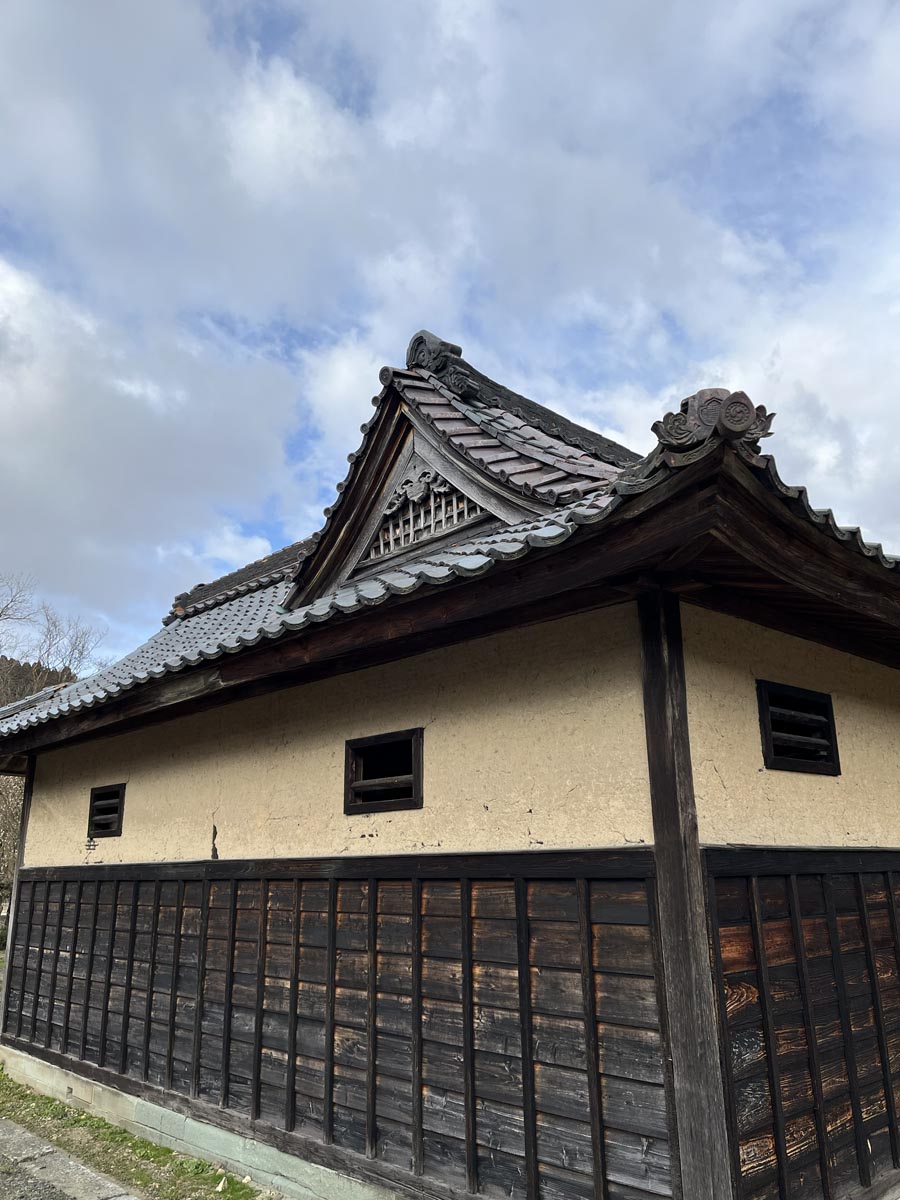
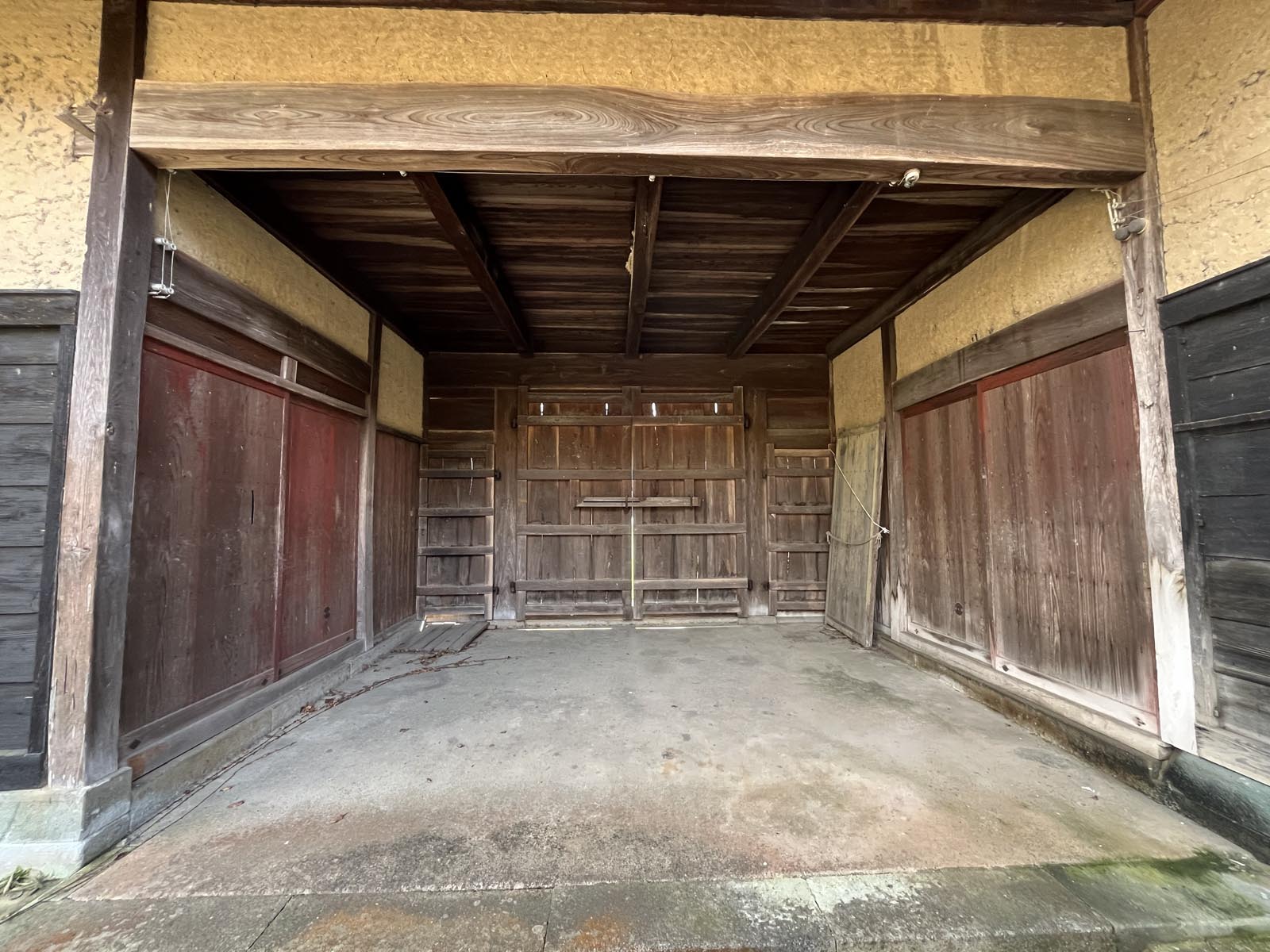
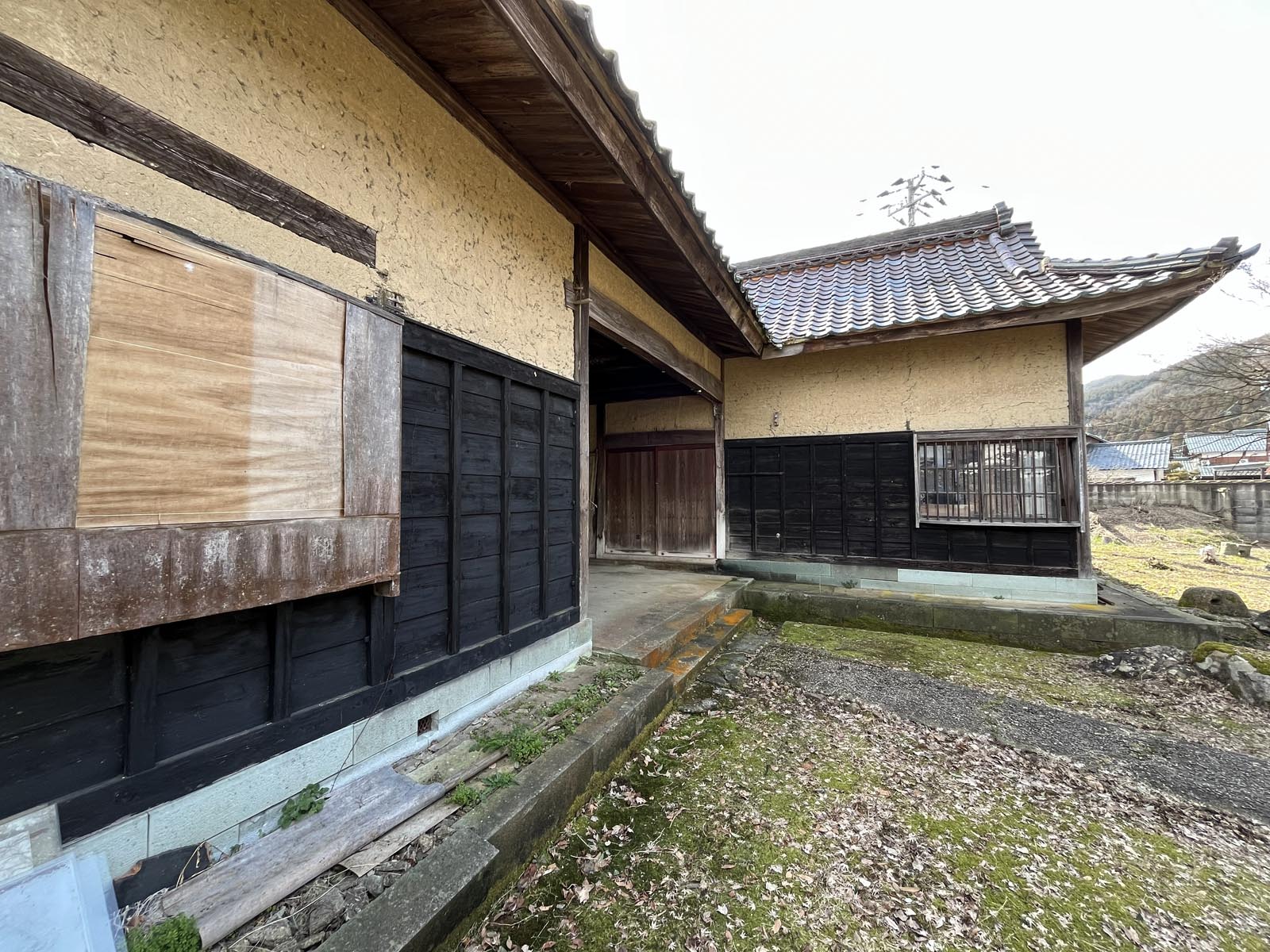
Nagayamon (Edo period)
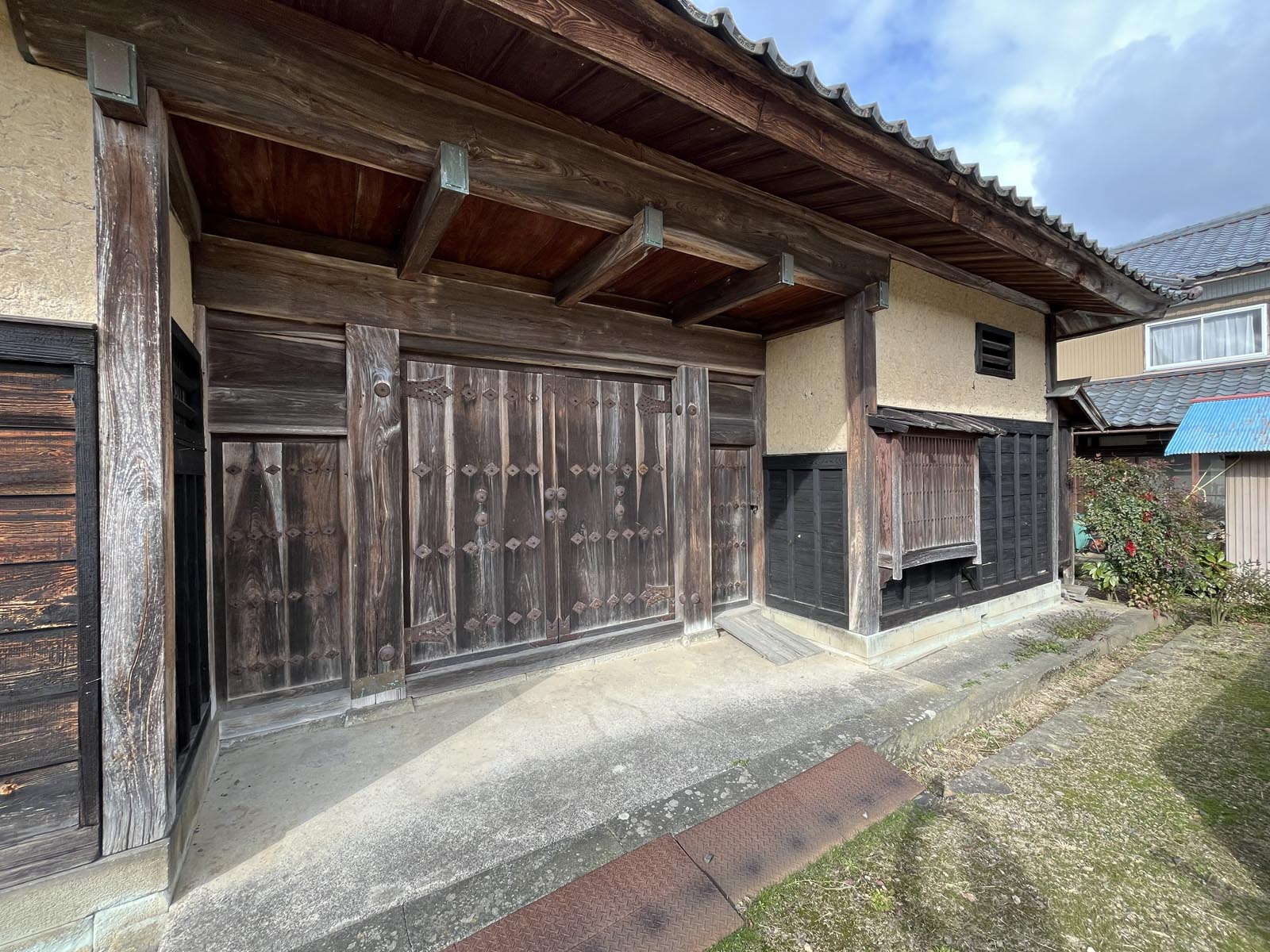
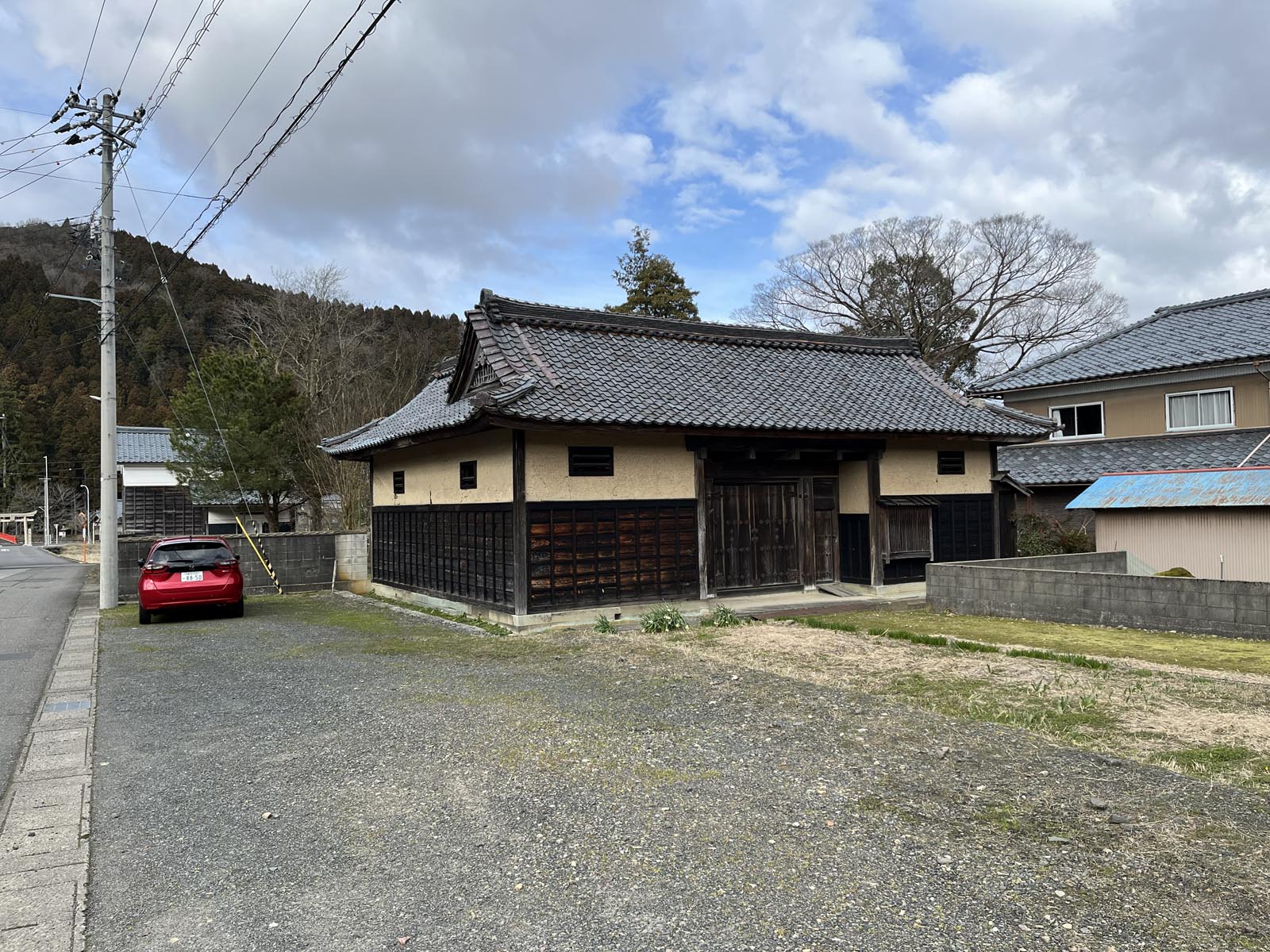
This grand historic gatehouse—arguably the symbolic face of the property—features imposing double wooden doors flanked by smaller side entrances. Built in 1862 at the end of the Edo period, it is believed to be the oldest structure on the grounds and, together with the main house and kura storehouses, is registered as a National Tangible Cultural Property. The building is distinguished by high protective siding designed to shield against rain and snow, and by its complex irimoya-style roof reminiscent of castle architecture—an architectural hallmark of prominent Oshoya families. Its L-shaped layout also incorporates a long storage wing behind the left side of the gate, combining grandeur with practical functionality.
Surrounding
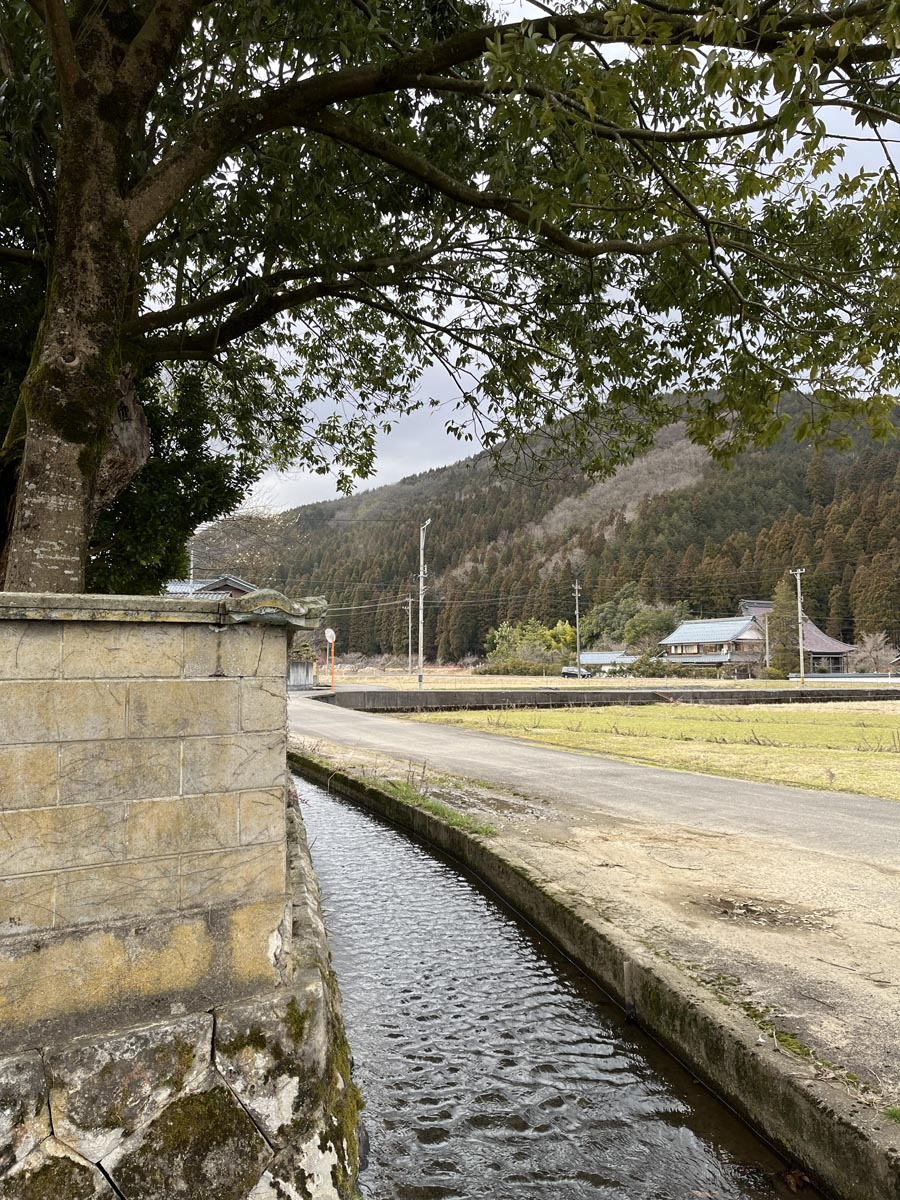
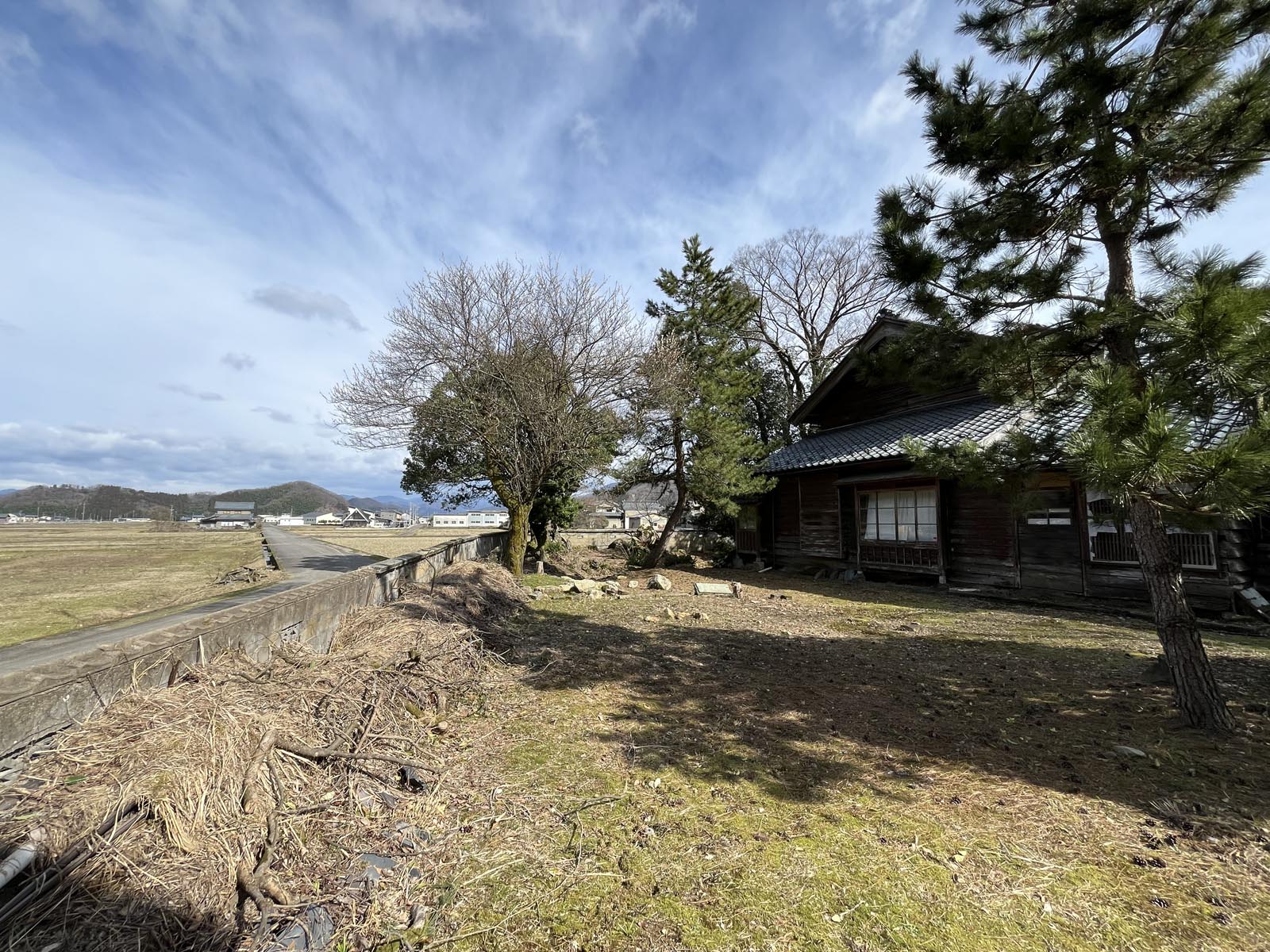
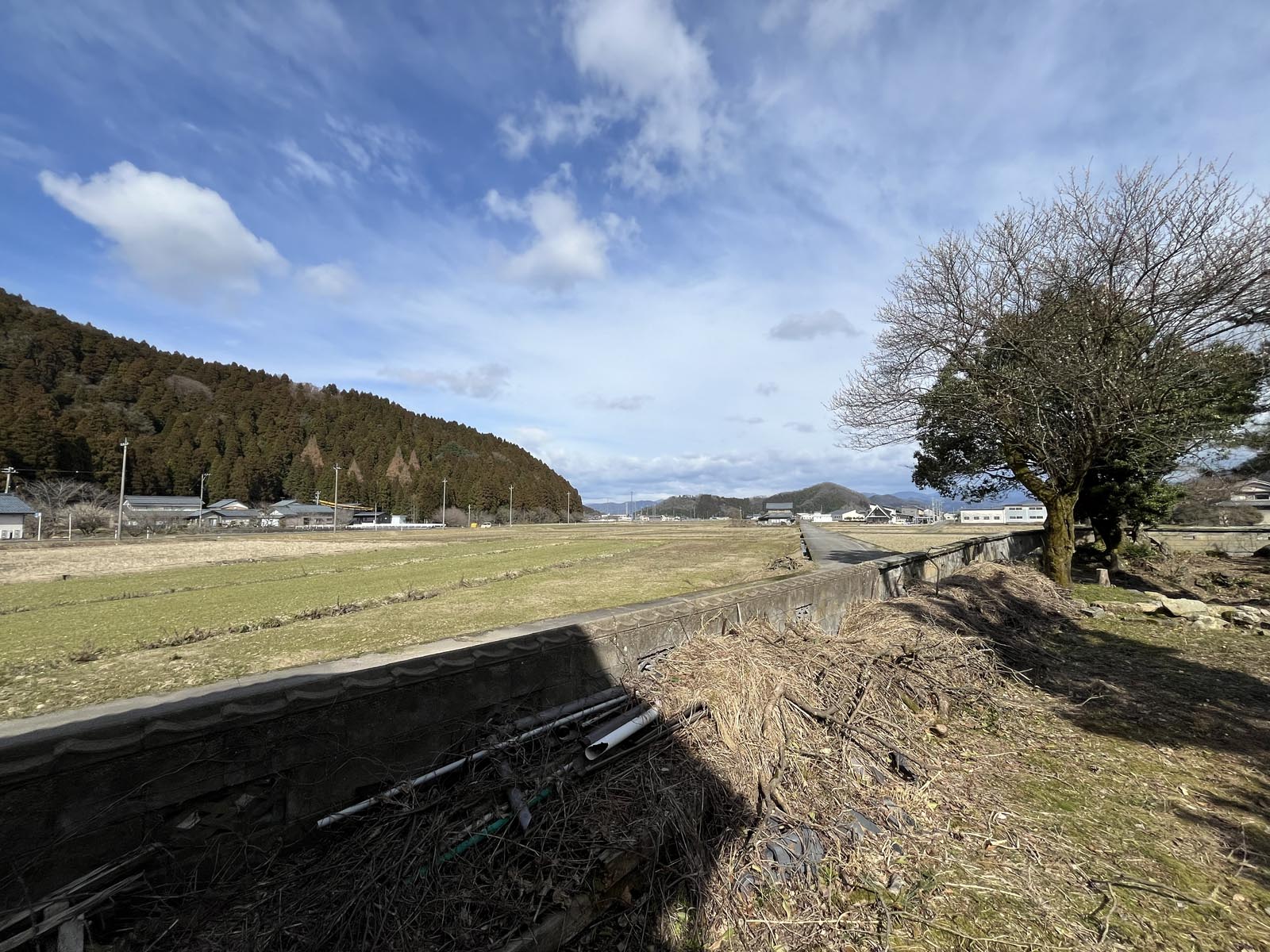
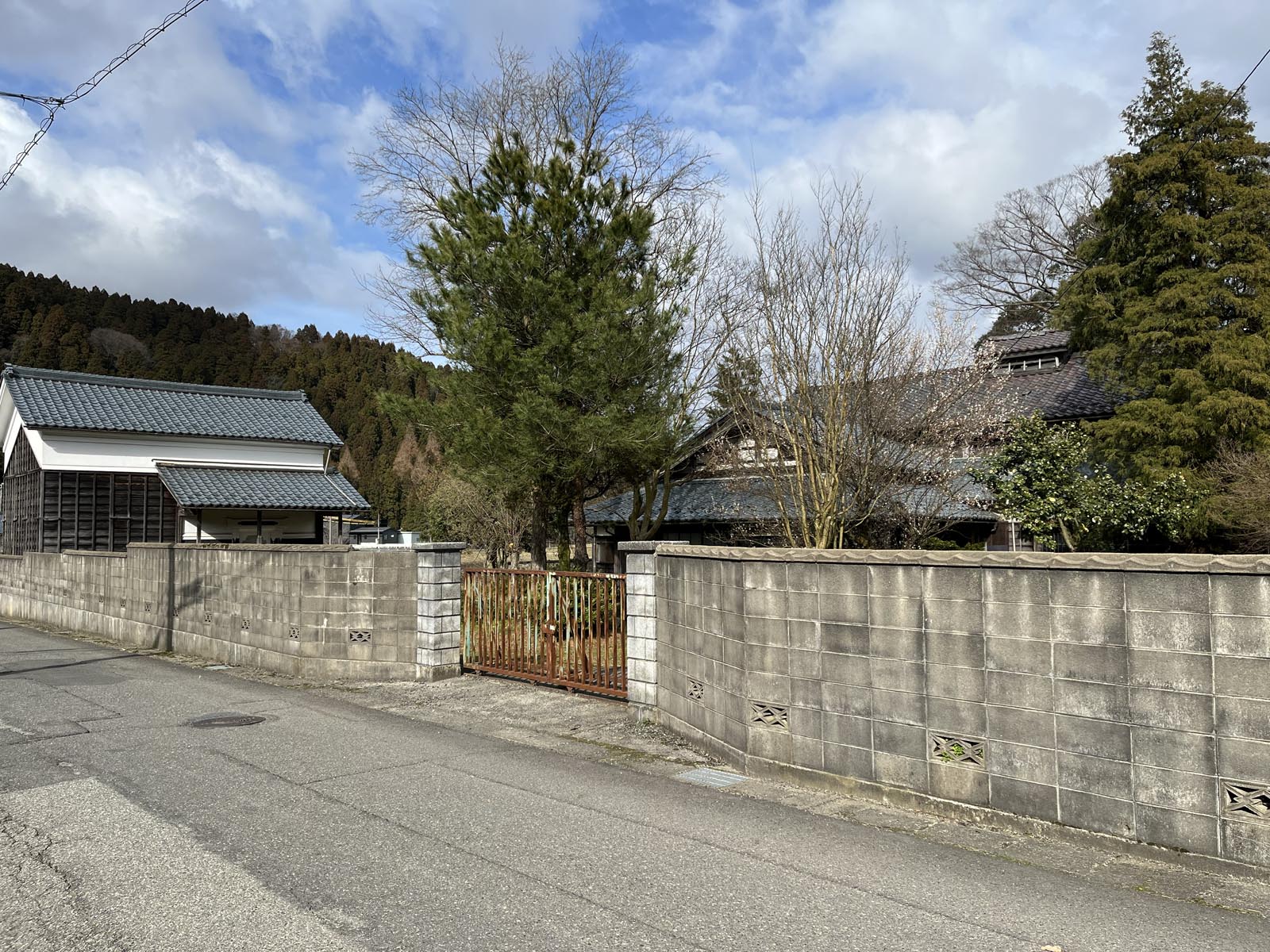
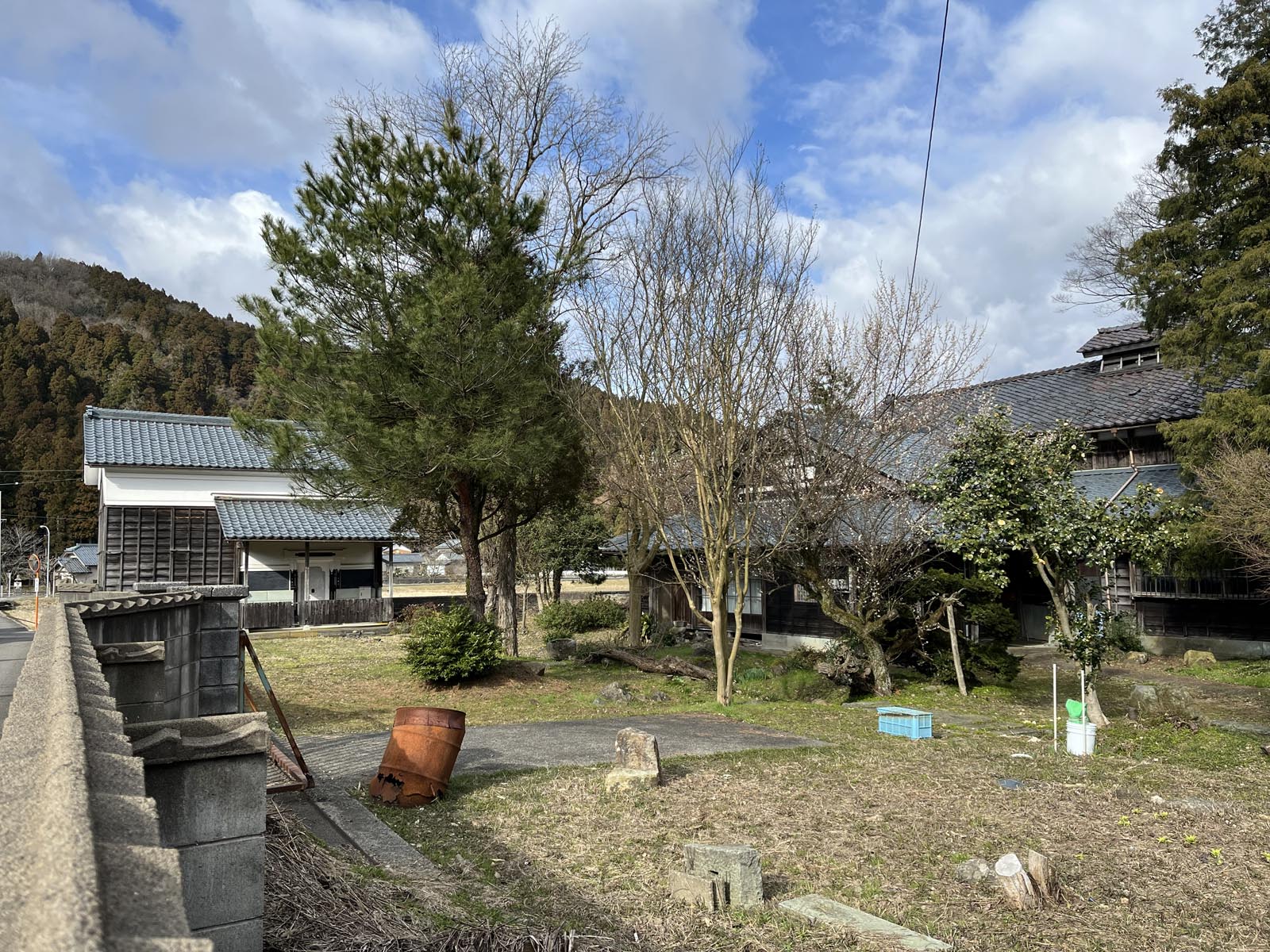
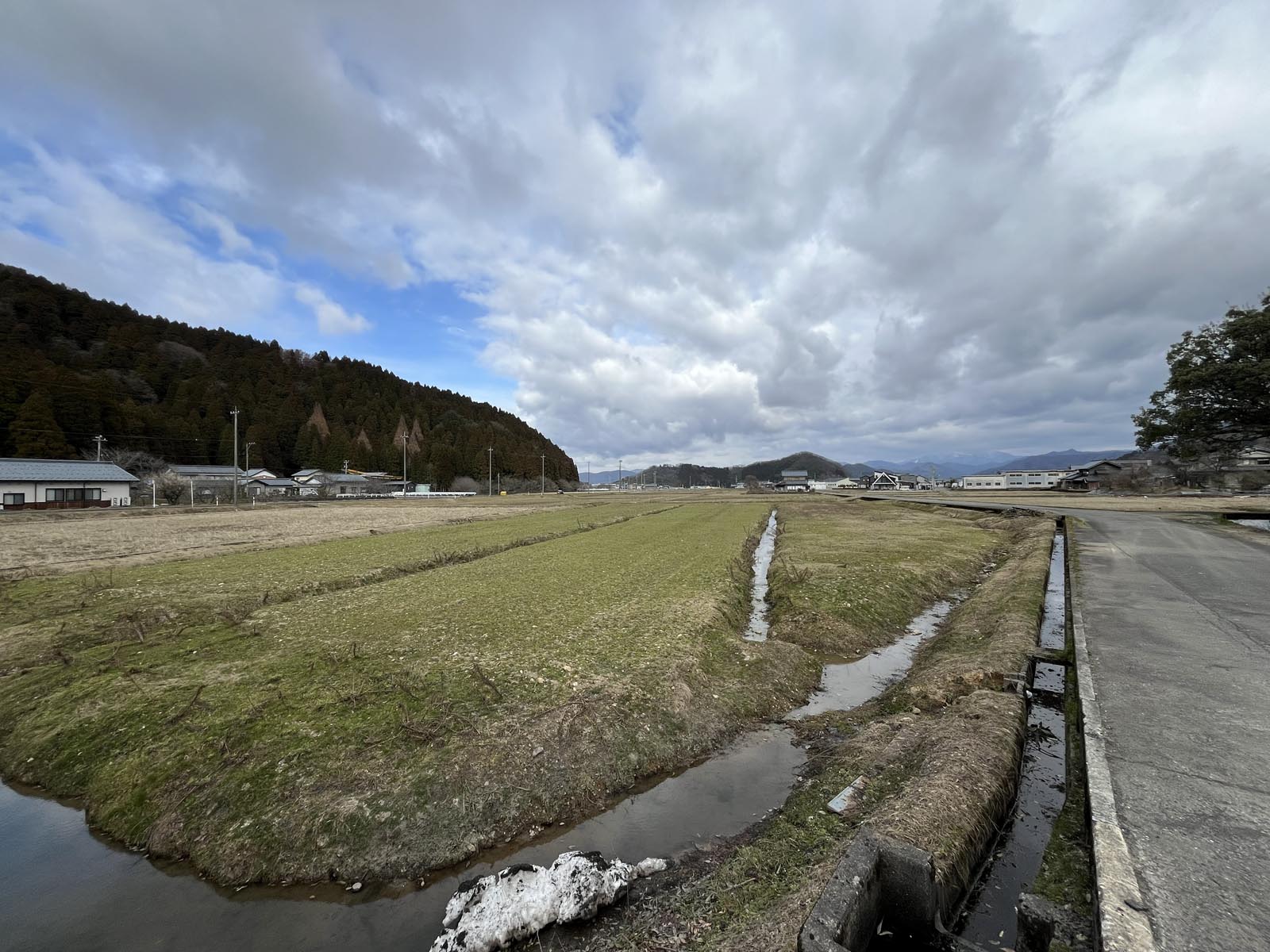
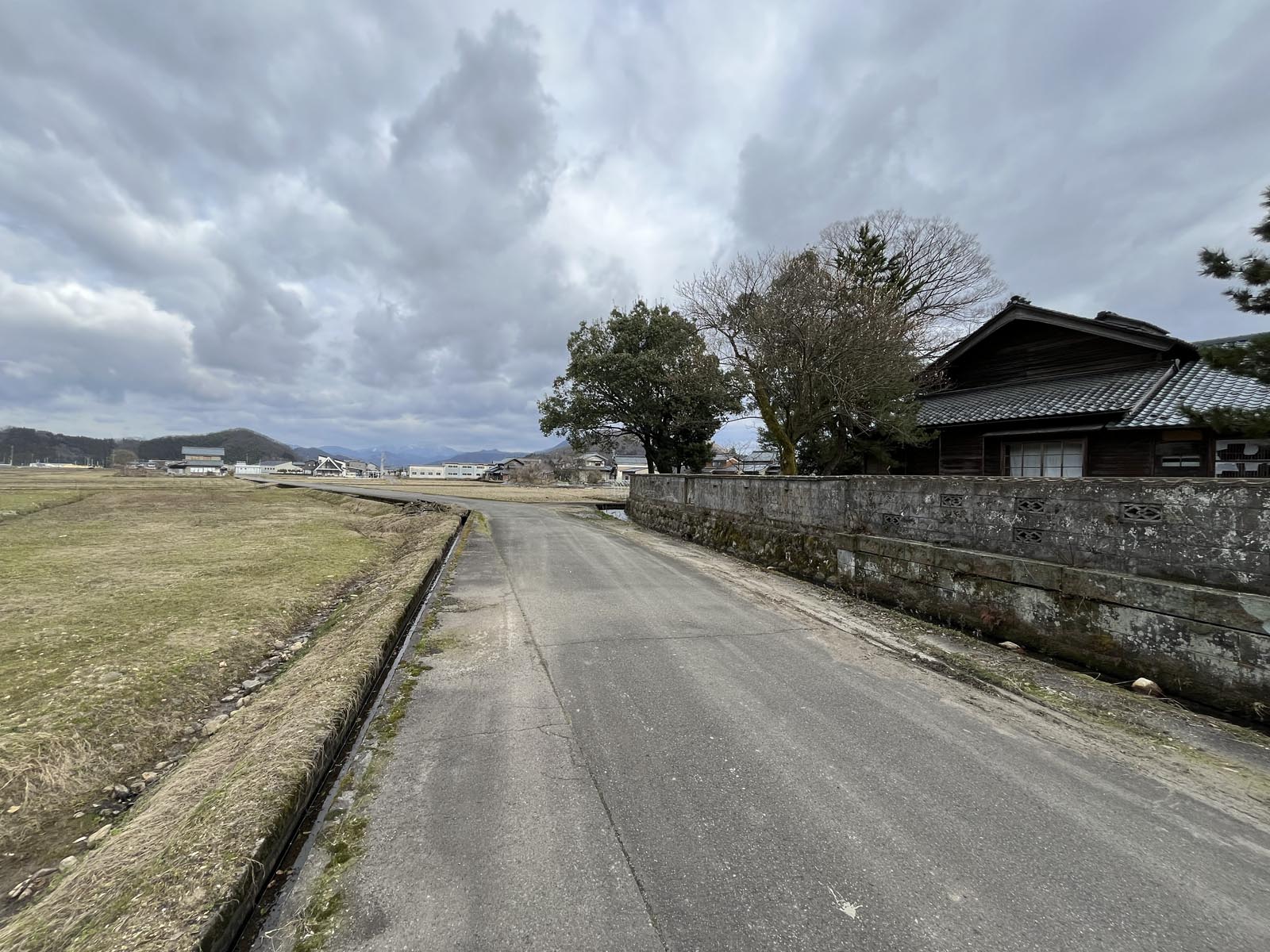
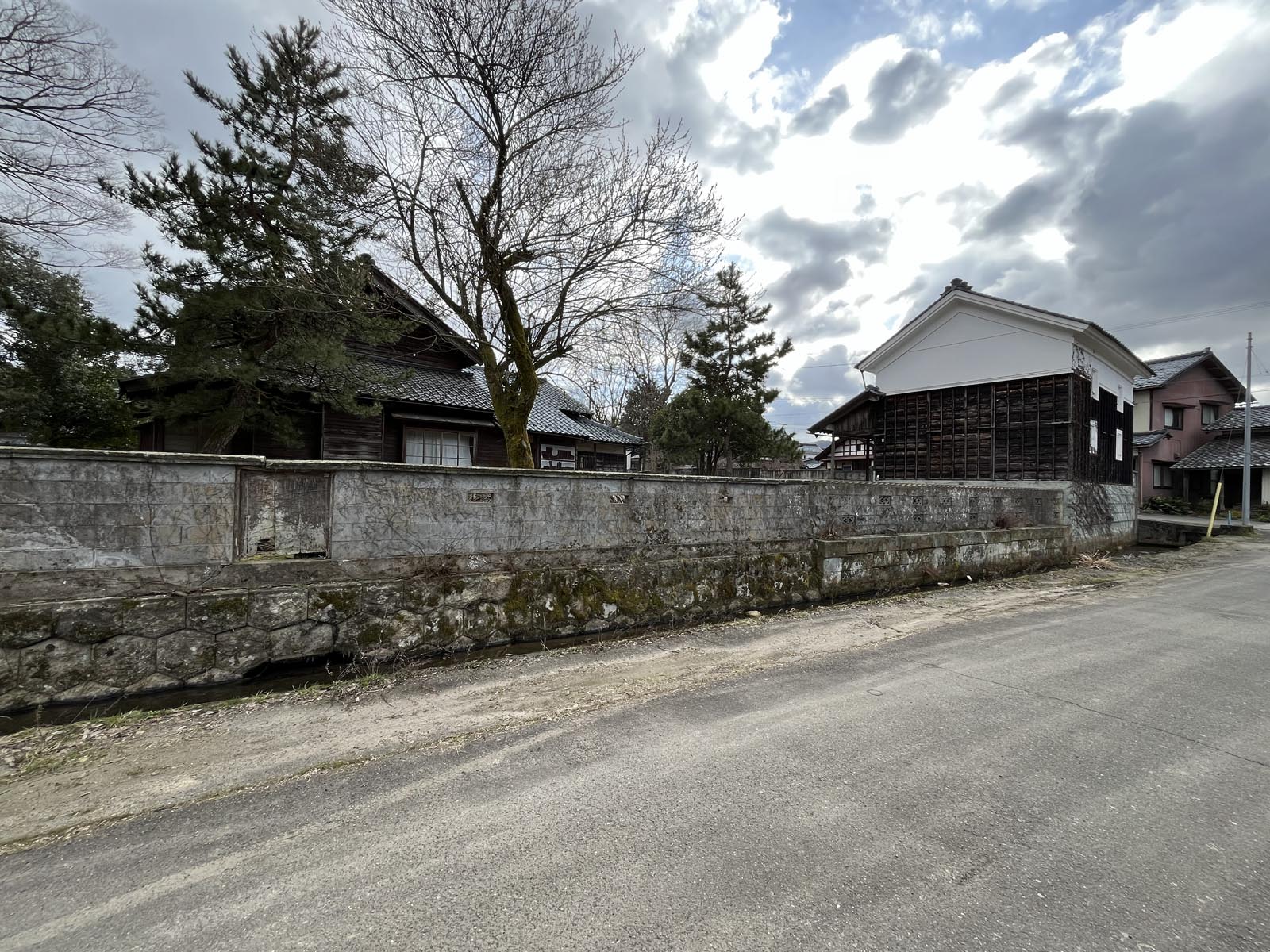
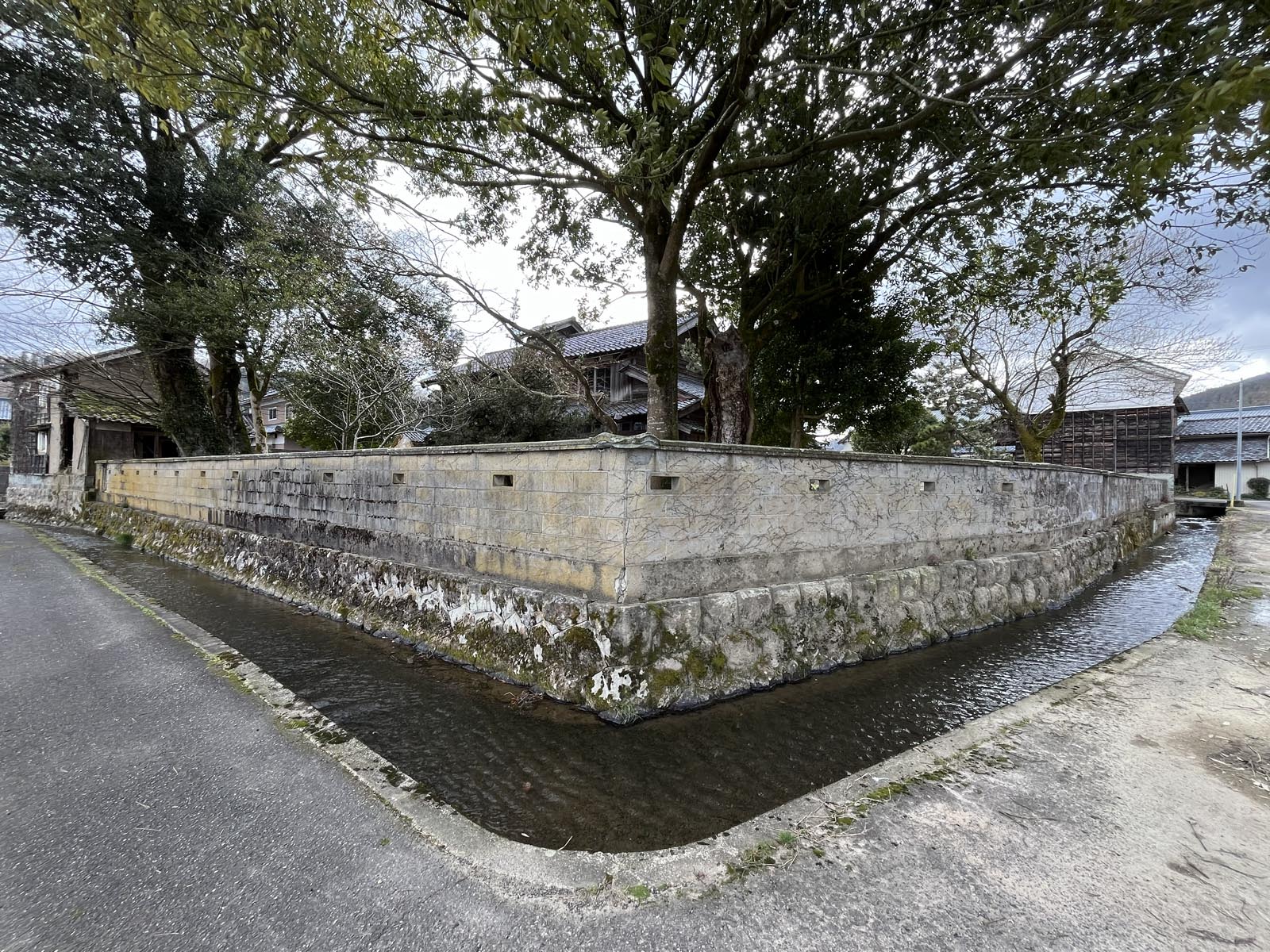
Positioned along the northeastern edge of the settlement, the site enjoys an unusually open setting, with sweeping views of surrounding rice fields and distant mountains to the rear and east. A quiet road separates the property from the fields, and between the road and the estate wall runs a clear irrigation canal that flows alongside the grounds—an elegant feature that further enhances the property’s rarity and appeal. The road bordering the western side of the estate is a historically significant and symbolic route linking the village’s main east–west thoroughfare, the former headman’s residence (this property), and the local temple and shrine in the northern hills.
History
The Baba family, who owned the property for generations, served as village headmen during the feudal era and held the elevated status of Oshoya, overseeing dozens of surrounding villages. Still preserved at the entrance is a traditional pre-modern firefighting pump known as “Ryūdosui,” bearing the name of Kami-Hirose—an emblem of the family’s historical role in safeguarding the community. During the feudal period, Hirose functioned as a collection and transport hub for rice tax shipments under the Fukui Domain. The direct connection between this road and the property’s Nagaya-mon gate offers a vivid reminder of the Baba family’s former importance and standing in the region.